Overview
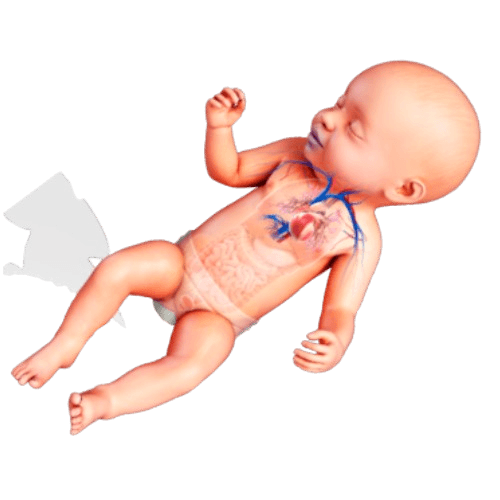
Pediatric Congestive Heart Failure (CHF) occurs when the heart cannot maintain adequate blood flow to meet the metabolic needs of a growing child.
It may result from congenital defects, cardiomyopathy, infection, or rhythm disorders.
Early diagnosis and treatment help reverse or stabilize heart dysfunction, improving quality of life and development.
Overview And Clinical Background
Heart dysfunction in children
Unlike adults, pediatric heart failure is often due to structural or developmental issues rather than coronary artery disease.
It requires specialized care for growth and organ development.
- Etiology:: Congenital heart defects, myocarditis, or genetic cardiomyopathy.
- Impact:: Reduced pumping efficiency leading to tissue hypoxia.
- Chronic management:: Aims to maintain cardiac output and normal growth.
Symptoms, Signs And Presentation
Signs vary with age and severity, often mimicking respiratory or feeding problems.
Recognition requires careful pediatric evaluation.
- Infants:: Poor feeding, sweating, or rapid breathing during feeds.
- Older children:: Fatigue, exercise intolerance, or leg swelling.
- Severe cases:: Hepatomegaly, edema, and failure to thrive.
Diagnosis Methods And Investigations
Functional and structural evaluation
Diagnosis combines imaging, lab markers, and functional studies to guide therapy.
- Echocardiography:: Assesses ventricular function and valve competence.
- BNP/NT-proBNP:: Blood biomarkers elevated in heart failure.
- Chest X-ray:: Shows cardiomegaly and pulmonary congestion.
Treatment Options And Surgical Techniques
Treatment depends on cause — medical, interventional, or surgical.
Lifestyle and nutritional support are vital.
- Medical therapy:: Diuretics, ACE inhibitors, and beta-blockers improve function.
- Device support:: Pacemaker, CRT, or LVAD in refractory cases.
- Definitive correction:: Surgery for structural heart disease where possible.
Recovery, Risks And Prognosis
With modern therapies, many children recover or stabilize.
Prognosis depends on underlying cause and adherence to long-term care.
Why Choose Us
CureU Healthcare’s pediatric cardiology team provides comprehensive heart failure management with advanced imaging, drug optimization, and post-recovery rehabilitation programs.
Conclusion
Early diagnosis and continuous support can turn pediatric heart failure into a manageable condition.
Multidisciplinary care helps children grow and live active, fulfilling lives.