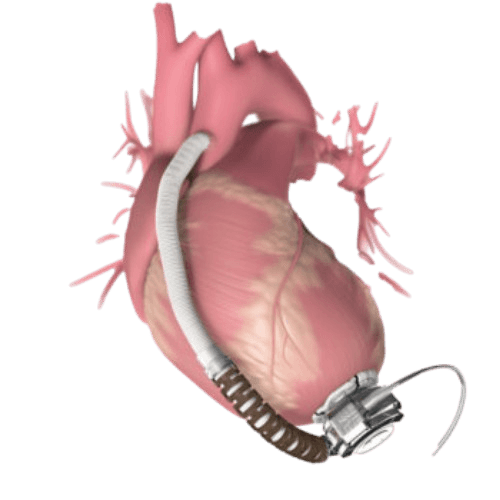
Overview
The HeartWare Ventricular Assist Device (HVAD) is a compact, implantable mechanical pump that helps the heart circulate blood in patients with severe heart failure.
It supports the left ventricle, easing symptoms and improving organ function.
HVAD may serve as a bridge to transplant or as long-term support for patients ineligible for heart transplantation.
Overview And Clinical Background
Mechanical circulatory support for end-stage heart failure
HVAD takes over part of the pumping function of a failing left ventricle, improving cardiac output and organ perfusion.
It’s used when medications no longer provide adequate control.
- Device type:: Implantable centrifugal flow pump with continuous blood flow.
- Purpose:: To maintain systemic circulation in patients with severe left ventricular dysfunction.
- Indications:: End-stage heart failure awaiting transplant or as permanent therapy.
Symptoms, Signs And Presentation
HVAD candidates usually show advanced heart failure symptoms despite optimal therapy.
The device improves quality of life by restoring blood flow.
- Shortness of breath:: Even at rest or minimal exertion.
- Fatigue:: Severe tiredness due to reduced cardiac output.
- Fluid overload:: Swelling in legs or abdomen from poor circulation.
Diagnosis Methods And Investigations
Preoperative assessment
Comprehensive evaluation determines suitability for LVAD therapy.
Tests assess cardiac structure, pulmonary pressures, and organ function.
- Echocardiography:: Evaluates ventricular function and anatomical compatibility.
- Right heart catheterization:: Measures pressures to confirm heart failure severity.
- Lab work:: Assesses renal, hepatic, and coagulation status before surgery.
Treatment Options And Surgical Techniques
HVAD is implanted surgically through a sternotomy or minimally invasive approach.
The device draws blood from the left ventricle and pumps it into the aorta.
- Implantation:: Performed under general anesthesia; driveline exits the abdomen for power and control.
- Power system:: External controller and rechargeable batteries worn outside the body.
- Anticoagulation:: Essential post-op to prevent clot formation in the device.
Recovery, Risks And Prognosis
Recovery includes hospital stay for stabilization and training.
Complications include bleeding, infection, or device thrombosis, but most patients experience major symptom relief and improved daily function.
Why Choose Us
CureU Healthcare offers advanced mechanical circulatory support with expert multidisciplinary teams.
Our program provides 24/7 monitoring, post-implant rehab, and long-term follow-up for optimal outcomes.
Conclusion
HVAD offers life-extending support for patients with end-stage heart failure, restoring independence and hope while bridging to transplant or serving as lifelong therapy.