Overview
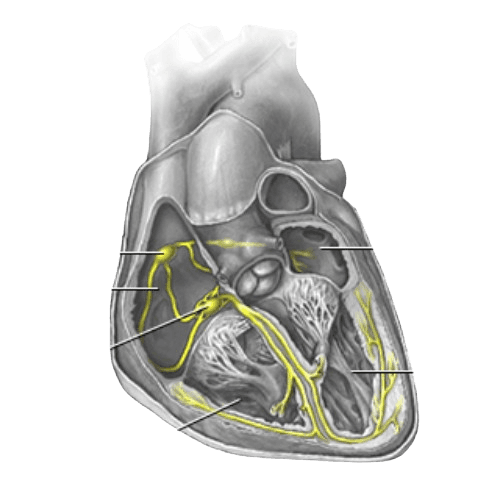
An Intracardiac Electrophysiology Study (EPS) is a specialized test that maps the heart’s electrical activity.
It helps identify the source of abnormal heart rhythms (arrhythmias) and determine the best treatment — medication, ablation, or pacemaker implantation.
The test involves inserting thin catheters through a vein into the heart for precise electrical measurement.
Overview And Clinical Background
EPS is used to study the heart’s conduction system and diagnose rhythm disorders.
It’s performed in a catheterization lab under sterile and monitored conditions.
- Purpose:: To detect the source and mechanism of arrhythmias.
- Technique:: Catheters placed inside the heart record electrical signals.
- Advantage:: Provides exact localization for targeted treatment like ablation.
Symptoms, Signs And Presentation
EPS is recommended for patients experiencing unexplained fainting, palpitations, or documented arrhythmias.
It helps assess the risk of sudden cardiac arrest.
- Common symptom:: Rapid or irregular heartbeat.
- Other signs:: Lightheadedness, dizziness, or blackouts.
- Red flag:: History of sudden fainting during exertion needs urgent evaluation.
Diagnosis Methods And Investigations
Electrophysiological Mapping
Catheters introduced via the groin or neck vein send and record electrical impulses.
Data collected helps map the arrhythmia pathway precisely.
- Fluoroscopic guidance:: Ensures accurate catheter positioning.
- Signal recording:: Measures timing of electrical activation.
- Stimulation tests:: Trigger controlled rhythms for diagnostic clarity.
Treatment Options And Surgical Techniques
Depending on findings, radiofrequency ablation may be performed during the same session to correct abnormal electrical pathways.
- Therapeutic step:: Ablation of problematic heart tissue using heat energy.
- Alternative:: Pacemaker implantation if conduction is impaired.
- Outcome:: High success rate in rhythm normalization and symptom relief.
Recovery, Risks And Prognosis
Most patients go home the same day.
Mild groin soreness is common.
Risks like bleeding or minor arrhythmias are rare, and recovery is typically quick.
Why Choose Us
CureU Healthcare’s cardiac electrophysiology team specializes in advanced mapping and ablation techniques.
Our facilities ensure precision diagnostics and safe interventions.
Conclusion
An Intracardiac Electrophysiology Study (EPS) is an essential diagnostic tool for arrhythmias.
It provides detailed insight into the heart’s electrical system for accurate, lasting treatment.