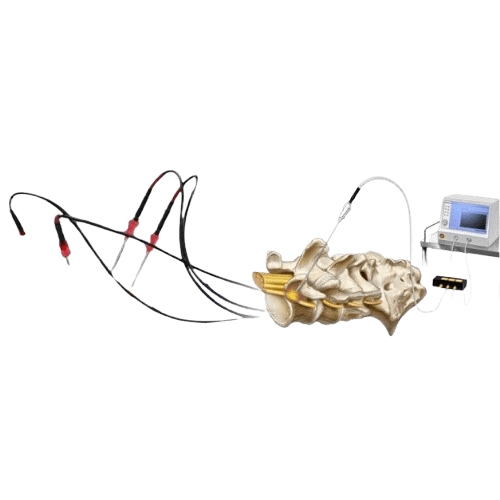
Overview
Radiofrequency Ablation is a widely used technique to treat irregular heartbeats.
By delivering radio waves through a catheter, it gently removes the tissue causing rhythm disturbance.
The goal is to help the heart beat normally without lifelong medication.
Overview And Clinical Background
RFA is an established therapy in electrophysiology for managing arrhythmias.
It’s minimally invasive, safe, and offers durable results.
- Goal:: Eliminate abnormal heart tissue causing irregular rhythms.
- Technology:: Uses radiofrequency energy for precision tissue ablation.
- Suitability:: Ideal for patients with medication-resistant arrhythmias.
Symptoms, Signs And Presentation
Arrhythmias manifest as palpitations, dizziness, and breathlessness.
Early evaluation prevents complications like stroke.
- Typical symptom:: Fluttering or pounding sensation in the chest.
- Other signs:: Fatigue, chest discomfort, or fainting episodes.
- Red flag:: Syncope or severe chest pain needs immediate medical review.
Diagnosis Methods And Investigations
Cardiac Electrical Studies
Electrophysiological testing and ECGs identify the type and origin of rhythm disorders.
Imaging supports safe and accurate catheter navigation.
- ECG:: Provides real-time rhythm data.
- EPS:: Maps electrical circuits responsible for arrhythmia.
- Holter monitoring:: Records continuous rhythm activity over 24 hours.
Treatment Options And Surgical Techniques
Under fluoroscopic guidance, catheters deliver heat to the abnormal area.
The process restores normal conduction and prevents recurrence.
- Technique:: Targeted heat ablation of faulty cardiac tissue.
- Alternative:: Cryoablation for specific rhythm types.
- Result:: Improved rhythm stability and reduced medication need.
Recovery, Risks And Prognosis
Most patients recover in 1–2 days.
Minor soreness at catheter site is common.
Long-term success rates exceed 90% for suitable candidates.
Why Choose Us
At CureU Healthcare, we use cutting-edge electrophysiology labs and experienced specialists to ensure precision and safety in RFA procedures.
Conclusion
Radiofrequency Ablation restores steady heart rhythm and reduces dependency on medication.
It’s a modern, effective cure for arrhythmia.