Overview
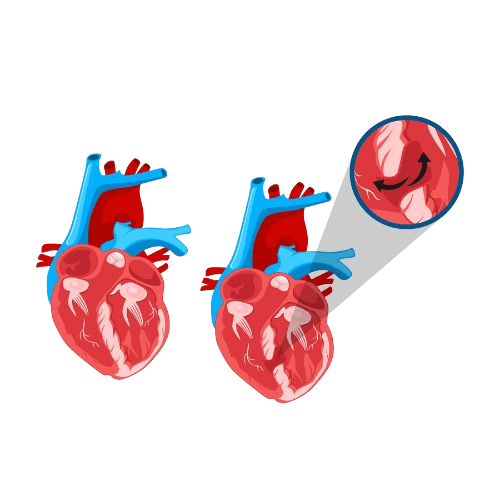
A Ventricular Septal Defect (VSD) is a hole in the wall (septum) separating the two lower chambers of the heart (ventricles). While VSDs are usually diagnosed and treated in childhood, some cases remain undetected or untreated until adulthood.
In adults, a VSD can cause long-term complications, such as heart failure, arrhythmias, and pulmonary hypertension, making surgical closure necessary.
When is VSD Closure Needed in Adults?
Surgery is recommended when adults with VSD experience:
- Shortness of breath and exercise intolerance
- Heart failure symptoms (swelling, fatigue, fluid buildup)
- Frequent respiratory infections or recurrent endocarditis
- Significant left-to-right blood shunt (too much blood flowing to the lungs)
- Pulmonary hypertension or damage to heart valves
Types of VSD Closure in Adults
Treatment depends on the size, location, and impact of the defect:
Surgical VSD Closure (Open-Heart Surgery):
- A heart-lung machine is used.
- The surgeon places a patch or stitches to close the defect.
Catheter-Based VSD Closure (Minimally Invasive):
- A device is inserted through a catheter (via the groin) to seal the defect.
- Suitable for select patients with certain types of VSD.
How is the Procedure Performed?
- Anesthesia: General anesthesia is given.
- Surgical Closure: The surgeon opens the heart and patches the hole in the septum.
- Device Closure (if eligible): A catheter delivers a closure device directly into the defect.
- Surgery usually takes 3 to 4 hours, while catheter closure takes 1 to 2 hours.: undefined
Benefits of VSD Closure in Adults
- Restores normal blood circulation
- Relieves symptoms such as fatigue and breathlessness
- Prevents progression of heart failure
- Reduces risk of arrhythmias and pulmonary hypertension
- Improves overall quality of life and life expectancy
Risks and Complications
Although generally safe, adult VSD closure may involve:
- Bleeding or infection
- Stroke or blood clots
- Irregular heart rhythms (arrhythmias)
- Residual shunt (small remaining hole)
- Heart valve leakage (rare)
Recovery After VSD Closure in Adults
- Hospital stay: 5 to 7 days for surgery, 1 to 2 days for catheter closure
- Gradual return to daily activities in 4 to 6 weeks
- Regular follow-up with a cardiologist is essential
- Cardiac rehabilitation may be recommended
- Long-term prognosis is excellent with timely closure
Conclusion
Ventricular Septal Defect (VSD) Closure Surgery in Adults is a safe and effective treatment that corrects congenital heart defects and prevents severe complications. At CureU Healthcare, our expert cardiac surgeons and interventional cardiologists provide advanced VSD repair solutions tailored for adults, ensuring improved heart health and long-term recovery.

