Overview
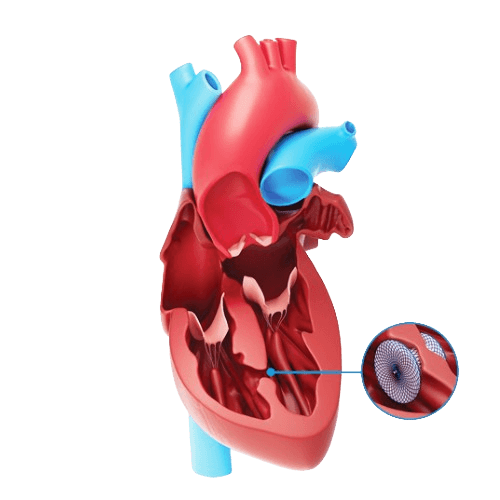
A Ventricular Septal Defect (VSD) is one of the most common congenital heart defects. It occurs when there is a hole in the wall (septum) that separates the two lower chambers of the heart (ventricles).
This opening allows oxygen-rich blood from the left ventricle to mix with oxygen-poor blood from the right ventricle. As a result, the heart works harder, and excess blood may flow to the lungs, leading to breathing difficulties and other complications.
Types of VSD
VSDs vary in size and location:
- Perimembranous VSD: The most common type, located near the heart valves.
- Muscular VSD: Found in the lower, muscular part of the septum.
- Inlet VSD: Near the tricuspid and mitral valves.
- Outlet (Conal) VSD: Near the aorta and pulmonary artery.
Symptoms of VSD
Small VSDs may not cause noticeable problems and sometimes close on their own. Larger defects, however, can cause:
- Rapid or heavy breathing
- Frequent lung infections
- Poor feeding and slow weight gain in infants
- Fatigue during activity
- Heart murmur (abnormal sound heard during examination)
Why is VSD Surgery Needed?
Without treatment, large VSDs can lead to:
- Congestive heart failure
- Pulmonary hypertension (high blood pressure in the lungs)
- Growth and developmental delays
- Risk of heart valve damage
- Life-threatening complications if left untreated
Treatment Options for VSD
Observation: Small VSDs may close naturally and only require regular monitoring.
- Medications: To manage symptoms like heart failure and fluid buildup.
- Catheter-based closure: A minimally invasive option for selected cases.
- Surgical Repair: The most effective treatment for moderate to large VSDs.
How is VSD Surgery Performed?
VSD repair is usually done under general anesthesia and involves:
- Open-heart surgery with the use of a heart-lung machine.
- The surgeon places a patch or stitches to close the hole in the septum.
- In some cases, minimally invasive techniques or catheter-based procedures may be used.
Benefits of VSD Surgery
- Normalizes blood circulation
- Prevents lung damage and heart failure
- Improves growth and physical development in children
- Enhances energy and quality of life
- Offers long-term survival with minimal restrictions
Risks and Complications
While generally safe, VSD surgery may involve:
- Bleeding or infection
- Arrhythmias (irregular heartbeat)
- Residual hole (rare)
- Heart valve leakage
- Stroke or blood clots (very rare)
Recovery After VSD Surgery
- Hospital stay: typically 5 to 10 days
- Initial recovery in the cardiac ICU
- Most children resume normal activities within 4 to 6 weeks
- Regular cardiology check-ups are required
- A healthy lifestyle ensures long-term heart health
Conclusion
Ventricular Septal Defect (VSD) Surgery is a safe and effective treatment that allows children and adults to live full, healthy lives. Early detection and timely repair are key to preventing complications. At CureU Healthcare, we offer world-class pediatric and adult cardiac surgery with compassionate care for families worldwide.

