Overview
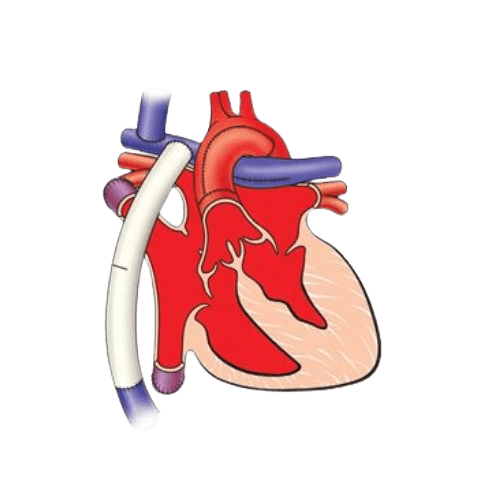
Single ventricle defects are a group of congenital heart defects where one of the two lower chambers of the heart (ventricles) does not develop properly. This makes it difficult for the heart to pump blood efficiently, leading to serious health challenges.
Why is Surgery Needed?
Single ventricle defects prevent normal circulation of oxygen-rich blood, causing:
- Severe cyanosis (bluish skin due to lack of oxygen)
- Fatigue and difficulty feeding in infants
- Poor growth and development
- Risk of heart failure and other complications
Types of Surgeries for Single Ventricle Defects
Since no single procedure can fully correct the defect, treatment is usually done in stages, including:
- Norwood Procedure (newborn stage): Creates a new pathway for blood to reach the body.
- Glenn Procedure (4 to 6 months of age): Connects the superior vena cava directly to the pulmonary artery, reducing the heart’s workload.
- Fontan Procedure (18 months to 4 years): Directs blood from the lower body to the lungs, completing the circulation pathway.
Benefits of Surgery
- Restores near-normal blood circulation
- Improves oxygen levels in the body
- Enhances growth and physical development in children
- Reduces risk of severe complications
- Extends life expectancy significantly
Risks and Complications
Although these surgeries save lives, they do carry risks such as:
- Bleeding or infection
- Arrhythmias (abnormal heart rhythms)
- Blood clots
- Protei-losing enteropathy (rare complication after Fontan)
- Need for heart transplant later in life in some cases
Recovery After Surgery
Recovery involves:
- Initial hospital stay ranging from 1 to 3 weeks depending on the surgery stage
- Close monitoring of oxygen levels and heart function
- Long-term medications (e.g., blood thinners, heart medicines)
- Regular follow-ups with a pediatric cardiologist
- Lifestyle modifications for long-term heart health
Conclusion
Single Ventricle Defects Surgery is a life-saving intervention for children born with complex congenital heart defects. Through a series of staged operations, doctors can significantly improve survival, quality of life, and long-term outcomes. At CureU Healthcare, we specialize in advanced pediatric cardiac care, offering world-class expertise and compassionate support for families.

