Overview
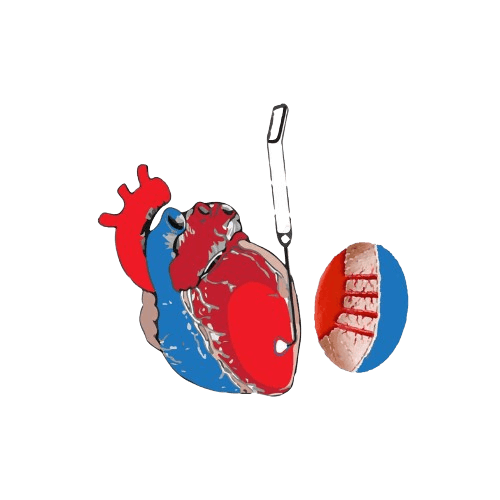
Transmyocardial Laser Revascularization (TMR) is a specialized surgical technique used to treat patients with severe coronary artery disease who cannot undergo traditional bypass surgery or angioplasty.
In this procedure, a high-energy laser creates small channels in the heart muscle (myocardium). These channels allow oxygen-rich blood from the left ventricle to directly reach heart tissue, improving circulation and reducing chest pain (angina).
Who Needs TMR?
TMR is considered for patients who:
- Suffer from chronic angina (chest pain) despite medications
- Have diffuse or inoperable blockages not suitable for bypass surgery (CABG) or angioplasty
- Face high surgical risk due to other health conditions
- Need a last-resort therapy to improve quality of life
How is TMR Performed?
TMR is usually performed by a cardiac surgeon under general anesthesia. There are two main approaches:
- Surgical TMR (open-chest): Done along with bypass surgery or as a standalone procedure.
- Minimally invasive TMR: Performed through a small incision without opening the chest fully.
Procedure steps include:
- A laser device creates multiple tiny channels in the left ventricle wall.
- These channels stimulate new blood vessel growth (angiogenesis).
- Over time, the heart muscle receives improved blood and oxygen supply.
Benefits of TMR
- Significant reduction in angina (chest pain)
- Improved exercise tolerance and daily activity levels
- Enhanced oxygen delivery to heart tissue
- Alternative option for patients unsuitable for bypass or stents
- Improved quality of life in high-risk patients
Risks and Complications
Like any heart surgery, TMR carries potential risks, such as:
- Irregular heart rhythms (arrhythmias)
- Bleeding or infection
- Heart attack (rare)
- Stroke (uncommon)
- Limited effectiveness in some patients
Recovery After TMR
- Hospital stay 4 to 7 days depending on overall health
- Gradual return to daily activities within 4 to 6 weeks
- Cardiac rehabilitation programs are often recommended
- Long-term medications may still be needed
- Lifestyle changes (diet, exercise, quitting smoking) remain essential
Conclusion
Transmyocardial Laser Revascularization (TMR) is an innovative procedure that offers hope to patients with severe coronary artery disease who have limited treatment options. By improving blood flow to the heart muscle, TMR reduces angina and enhances quality of life. At CureU Healthcare, we provide advanced cardiac therapies with world-class expertise to ensure better outcomes for every patient.

