Gastroenterology
Bowel Obstruction
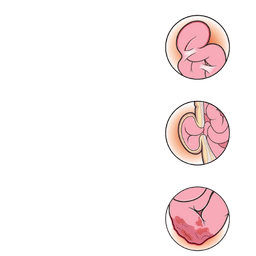
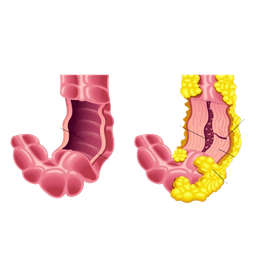
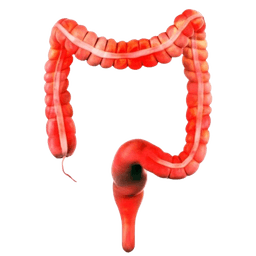
Bowel obstruction is a blockage that prevents food or fluid from passing through the intestines. -br It can result from adhesions, hernias, or tumors, requiring prompt diagnosis and often surgical intervention.
CureU Healthcare © 2026

Gastroenterology
Group Medical Director & Senior Consultant – Gastroenterology & Hepatology
Dr. Anupam Sibal is a highly respected gastroenterologist known for his expertise in liver disease, inflammatory bowel disease, gastrointestinal disorders and advanced hepatology.
He has decades of clinical leadership and is widely recognized for treating complex digestive and liver conditions with a balanced, evidence-driven and compassionate approach.
His work includes multidisciplinary management of chronic liver disease, advanced endoscopic evaluation, and long-term digestive care tailored to each patient's needs.
Completed medical schooling with distinction, giving him a strong foundation in internal medicine and clinical reasoning.
Built deep experience in systemic illnesses and pediatric gastrointestinal physiology, forming the base for advanced liver and GI specialization.
Completed advanced training in GI diseases, endoscopy and liver-related disorders with structured exposure to complex diagnostic techniques.
Received focused training at Great Ormond Street Hospital, learning high-complexity liver disease management including transplant evaluation.
Regularly participates in international CME, academic leadership programs and GI research collaborations across global medical forums.
Expert in chronic liver disease, autoimmune hepatitis, NAFLD, cirrhosis care, portal hypertension management and transplant evaluation.
Treats GERD, functional disorders, malabsorption syndromes, gastritis, celiac disease and chronic abdominal pain using structured diagnostic pathways.
Comprehensive care for Crohn’s disease and ulcerative colitis with long-term medical optimisation and relapse-prevention strategies.
Performs diagnostic and therapeutic endoscopy including biopsies, polypectomies, stricture evaluation and GI bleeding management.
Manages pancreatitis, biliary obstruction and metabolic pancreatic issues with coordinated imaging and endoscopic planning.
Brings decades of hands-on experience managing complex GI and liver cases with strong outcomes and consistent patient trust.
Works closely with hepatobiliary surgery, radiology and nutrition teams for seamless digestive and liver care.
Uses global guidelines for IBD, chronic liver disease and GI functional disorders to design precise treatment pathways.
Prioritises lifestyle planning, nutrition and relapse-prevention strategies rather than just symptom control.
Explains complex digestive issues in simple language, empowering patients to understand and manage their condition confidently.
Served as Group Medical Director and contributed to building clinical governance systems across hospitals.
Invited speaker at international gastroenterology and hepatology conferences sharing insights on liver care innovations.
Authored numerous papers on digestive diseases, pediatric hepatology and clinical quality improvement.
Advised on healthcare standards, hospital accreditation frameworks and patient-safety initiatives.
Recognized multiple times for impact in gastroenterology, leadership, and advancement of hepatology services.
Awarded for significant contributions to clinical governance and quality improvement in hospital systems.
Recognised for outstanding outcomes in complex liver and gastrointestinal disease management.
Honoured at global forums for contributions to pediatric and adult hepatology advancement.
Awarded for published research, teaching involvement and participation in national medical panels.
Acknowledged by medical societies for decades of commitment to safe, modern and patient-focused digestive care.
Member – Indian Society of Gastroenterology, actively participating in research and annual scientific sessions.
Member – Indian National Association for Study of the Liver; engaged in hepatology guideline updating.
Contributor to global discussions on digestive disorders and liver care advancements.
Part of committees focusing on safety, accreditation protocols and clinical standardization.
Involved in training young clinicians in gastroenterology and hospital leadership.
This content adheres to the CureU Editorial Guidelines, ensuring evidence-based accuracy and regular updates.
Free Expert Consultation

Gastroenterology
Bowel obstruction is a blockage that prevents food or fluid from passing through the intestines. -br It can result from adhesions, hernias, or tumors, requiring prompt diagnosis and often surgical intervention.

Gastroenterology
Crohn’s disease is a lifelong inflammatory bowel disorder characterized by chronic inflammation of the digestive tract. -br It may affect any part from mouth to anus, but most commonly impacts the ileum and colon.

Gastroenterology
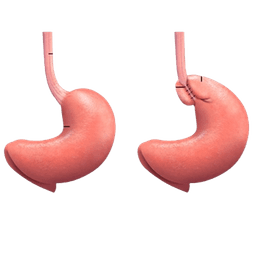
Anti reflux procedures aim to correct the dysfunction of the lower esophageal sphincter that causes acid reflux. -br These treatments can be done endoscopically or surgically depending on the severity and patient response to medication.

Gastroenterology
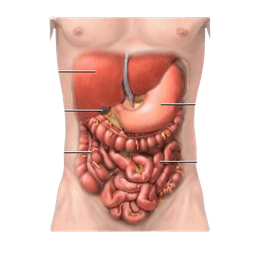
Chronic Intestinal Pseudo Obstruction (CIP) is a severe condition where the intestines lose their ability to move food normally. -br Though no mechanical blockage exists, the symptoms mimic those of true intestinal obstruction.

Gastroenterology
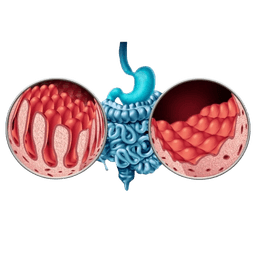
Celiac disease is a chronic autoimmune disorder triggered by gluten consumption in genetically predisposed individuals. -br The immune response damages the intestinal lining, leading to malabsorption, digestive discomfort, and nutritional deficiencies.

Gastroenterology
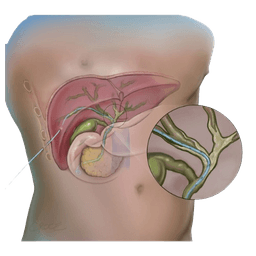
Biliary drainage and stenting procedures are performed to relieve obstructions in the bile ducts, which can result from stones, strictures, or tumors. -br It allows bile to flow freely from the liver to the intestine, reducing jaundice and infection risks.

Gastroenterology
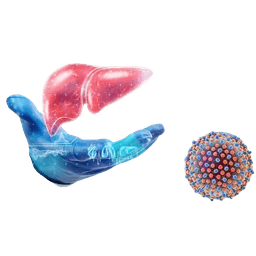
Hepatitis B is a serious liver infection caused by the hepatitis B virus (HBV). -br It can lead to chronic disease, cirrhosis, or liver cancer if untreated.

Gastroenterology
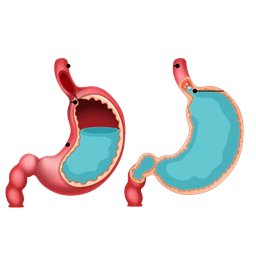
A peptic ulcer forms when acid and digestive enzymes erode the stomach or duodenal lining. -br It’s often linked to H. pylori infection or NSAID use.

Gastroenterology
Gastroesophageal Reflux Disease occurs when stomach acid frequently flows back into the esophagus, leading to irritation, burning, and discomfort. -br Chronic GERD can cause inflammation or even ulcers if untreated.

Gastroenterology
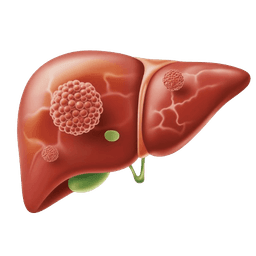
Liver cirrhosis develops due to long-term liver injury from conditions like hepatitis, alcoholism, or fatty liver disease. -br Scarring reduces liver function and increases complication risk.

Extensive experience in gastroenterology, hepatology, and therapeutic endoscopy with focus on digestive and liver disorders
Gastroenterology
Profile

Extensive clinical experience in gastroenterology with focus on liver diseases, gastrointestinal disorders, and advanced endoscopic procedures
Gastroenterology
Profile
Extensive experience in gastroenterology with expertise in liver diseases, digestive disorders, and advanced endoscopic procedures
Gastroenterology
ProfileHow can I help you?