Overview
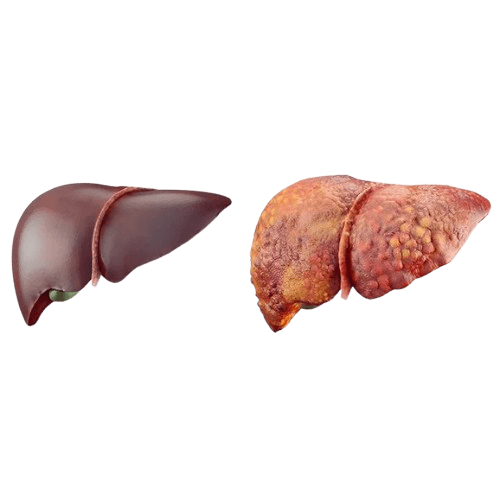
Liver cirrhosis develops due to long-term liver injury from conditions like hepatitis, alcoholism, or fatty liver disease.
Scarring reduces liver function and increases complication risk.
Overview And Clinical Background
Cirrhosis marks irreversible scarring of liver tissue.
It’s the final stage of chronic liver damage.
- Major causes:: Hepatitis B, C, alcohol abuse, or NASH.
- Scarring disrupts liver architecture and blood flow.
- Progression:: Leads to portal hypertension and liver failure.
Symptoms, Signs And Presentation
Early cirrhosis is often silent.
Later, fatigue, swelling, and jaundice develop.
- Common symptom:: Abdominal swelling and fatigue.
- Spider veins and itchy skin may appear.
- Red flag:: Vomiting blood or confusion signals decompensation.
Diagnosis Methods And Investigations
Liver Function and Imaging
Diagnosis relies on blood tests, ultrasound, and elastography.
Biopsy confirms extent of fibrosis.
- LFTs:: Assess enzyme and protein levels.
- Ultrasound:: Detects texture changes and ascites.
- FibroScan measures tissue stiffness.
Treatment Options And Surgical Techniques
Treatment targets cause management and complication control.
In advanced cases, transplant is needed.
- Conservative:: Lifestyle changes and alcohol cessation.
- Medical therapy:: Antivirals or antifibrotics to slow damage.
- Liver transplant for end-stage cirrhosis.
Recovery, Risks And Prognosis
Progress depends on early detection and cause reversal.
Advanced cirrhosis needs lifelong monitoring.
Why Choose Us
CureU Healthcare’s hepatology team provides advanced diagnostics and transplant referrals with compassionate care.
Conclusion
Liver cirrhosis can’t be reversed, but proactive management preserves life and function.
Early help matters.