Overview
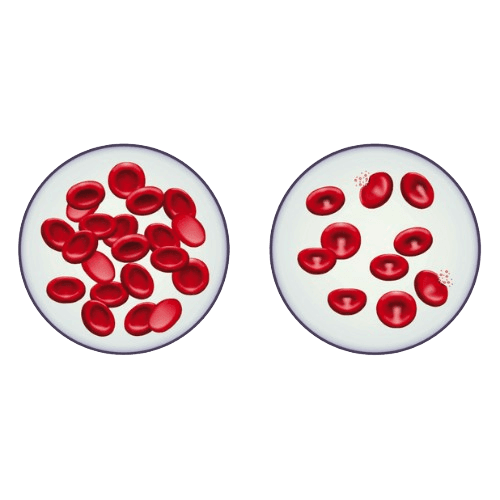
Thalassemia is a group of inherited disorders resulting in reduced or absent synthesis of one of the globin chains of hemoglobin, leading to ineffective erythropoiesis and chronic anemia.
Clinical severity ranges from mild trait to transfusion-dependent thalassemia major.
Management combines regular transfusion, iron chelation, monitoring for complications and, when appropriate, curative hematopoietic stem cell transplant or emerging gene therapies.
Early diagnosis, family counselling and a coordinated long-term plan markedly improve outcomes and lifespan.
Overview And Clinical Background
Genetic hemoglobinopathy with spectrum of severity
Thalassemia results from mutations in alpha or beta globin genes that impair hemoglobin production.
Beta-thalassemia major typically presents in early childhood with severe anemia, while intermedia or trait forms have milder courses.
Population screening and genetic counselling are key public-health measures to reduce severe disease incidence.
- Types:: Beta-thalassemia major (transfusion-dependent), beta-thalassemia intermedia, and alpha thalassemia variants including HbH disease.
- Inheritance is autosomal recessive; carrier screening identifies at-risk couples.
- Goal of care:: Maintain hemoglobin in a safe range, prevent iron overload and address complications to ensure normal growth and development.
Symptoms, Signs And Presentation
Children with severe thalassemia present with pallor, failure to thrive, hepatosplenomegaly and skeletal changes due to marrow expansion.
Milder forms may present later with fatigue, mild anemia or incidental lab findings.
- Common signs:: Chronic fatigue, pallor, enlarged spleen, poor growth and frontal bossing or maxillary overgrowth from marrow hyperactivity.
- Cardiac symptoms can emerge from iron overload if chelation is inadequate.
- Red flag:: Transfusion dependence, severe growth delay or endocrine dysfunction mandates specialist referral.
Diagnosis Methods And Investigations
Laboratory diagnosis and genetic testing
Diagnosis uses CBC showing microcytic anemia, hemoglobin electrophoresis (HPLC) for hemoglobin fractions and targeted genetic testing to confirm mutations.
Baseline cardiac and liver assessments are part of comprehensive evaluation to guide treatment.
- Blood tests:: CBC with indices, peripheral smear, reticulocyte count and HPLC for HbA2/HbF quantification.
- Genetic testing:: Molecular analysis confirms specific globin gene mutations and informs family counselling.
- Organ monitoring: serum ferritin, liver MRI and echocardiography for iron-overload assessment.
Treatment Options And Surgical Techniques
Management depends on severity: regular transfusion and iron chelation for transfusion-dependent patients, supportive care for milder cases, and curative allogeneic stem cell transplant when a suitable donor exists.
Emerging gene-editing and gene-therapy approaches are expanding curative options.
- Transfusion therapy:: Scheduled red cell transfusions maintain hemoglobin and suppress ineffective erythropoiesis; transfusion safety protocols are essential.
- Iron chelation:: Oral or parenteral chelators prevent iron accumulation in heart and liver, with monitoring to tailor therapy.
- Curative options: matched donor stem cell transplant or experimental gene therapies in selected centers.
Recovery, Risks And Prognosis
With modern transfusion and chelation, many patients achieve normal life expectancy and quality of life; risks center on iron overload complications (cardiac, hepatic, endocrine) and transplant-related toxicity when pursued.
Lifelong monitoring and endocrine screening are part of survivorship care.
Why Choose Us
CureU Healthcare delivers integrated thalassemia care—safe transfusion services, chelation management, genetic counselling and transplant pathways.
Our multidisciplinary team minimizes complications and enables children to reach developmental milestones and adult life with optimal health.
Conclusion
Thalassemia is a lifelong condition but highly manageable with structured care.
Early diagnosis, adherence to transfusion/chelation protocols and access to curative options when appropriate offer excellent outcomes.
B.U.M.S, M.D. (NAT) | Reg No. 9153 | Ex. Secretary & Treasurer, N.I.M.A.
Qualified healthcare professional in Unani and Naturopathic medicine with deep expertise in traditional healthcare systems, patient-centered clinical care, and medical content review.