Overview
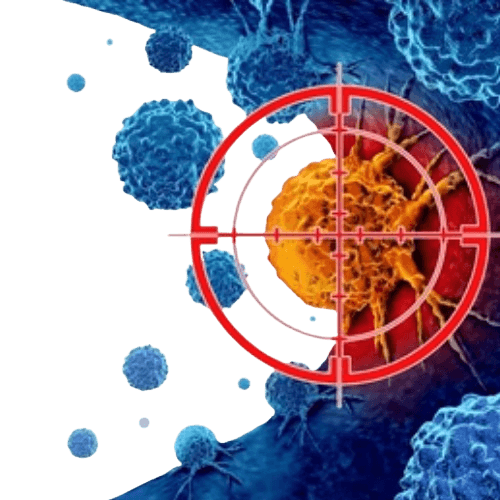
Immunotherapy uses the body’s immune system to identify and eliminate diseased cells, most commonly in cancers of the blood and immune system.
Treatments range from monoclonal antibodies and checkpoint inhibitors to adoptive cell therapies (including CAR-T) that reprogram immune cells to attack malignancy.
In hematology, immunotherapy is used to achieve durable remissions with an emphasis on careful patient selection, toxicity monitoring and combining with systemic therapies when needed.
The goal is a targeted, durable anti-disease response with preservation of overall immune function.
Overview And Clinical Background
Immune-based oncology and immune modulation
Immunotherapy engages innate and adaptive immunity to recognize cancer-specific antigens or dysregulated immune pathways.
Hematology has been a leading field for cellular immunotherapies such as CAR-T and bispecific antibodies, which have transformed outcomes for relapsed and refractory blood cancers.
These therapies demand multidisciplinary delivery, intensive monitoring and expertise in managing immune-related toxicities.
- Modalities:: Monoclonal antibodies, antibody-drug conjugates, immune checkpoint blockers, bispecific T-cell engagers, and adoptive cell therapies including CAR-T.
- Used across leukemias, lymphomas and myeloma depending on antigen targets and disease biology.
- Treatment aim:: Deep, durable disease control or cure by harnessing the patient’s immune response while minimizing off-target inflammation.
Symptoms, Signs And Presentation
Patients considered for immunotherapy present with disease that is relapsed, refractory, or molecularly targetable after standard treatments.
Presentation varies by disease but may include progressive lymphadenopathy, cytopenias, B symptoms or symptomatic marrow involvement.
Baseline organ function and comorbidity profile shape suitability because immune activation can affect heart, lung, liver and CNS.
- Indications:: Relapsed/refractory lymphoma, certain leukemias, multiple myeloma and select immune-mediated hematologic conditions.
- Symptoms needing therapy include progressive disease, symptomatic organ involvement or high-risk molecular features.
- Red flag:: Active uncontrolled infection, severe autoimmune disease, or poor organ reserve that may increase risk of severe immune toxicity.
Diagnosis Methods And Investigations
Baseline disease and immune fitness assessment
Comprehensive staging and laboratory profiling are essential before immunotherapy.
This includes disease burden assessment, antigen expression testing, cardiac and pulmonary evaluation and infectious disease screening to reduce peri-therapy risk.
- Disease staging:: Imaging (CT/PET), bone marrow biopsy and molecular/cytogenetic panels to characterize targetable antigens and disease status.
- Immune and organ assessment:: CBC, liver and renal function, cardiac biomarkers and infection screening (CMV, HBV, HCV, HIV) to ensure safe delivery.
- Special tests such as flow cytometry, antigen expression assays and prior treatment exposure guide therapy selection and eligibility.
Treatment Options And Surgical Techniques
Treatment is individualized: monoclonal antibodies and checkpoint inhibitors are infused in clinic; cellular therapies require mobilization, leukapheresis, ex vivo engineering and inpatient infusion with intensive monitoring.
Preconditioning and bridging strategies are used to optimize response and control disease before definitive cell therapy.
- Systemic biologics:: Targeted antibodies and checkpoint inhibitors administered in outpatient settings with steroid-backed toxicity plans.
- Cellular therapies:: CAR-T and other adoptive cell therapies require apheresis, cell manufacture and specialized inpatient infusion with cytokine release and neurotoxicity monitoring.
- Supportive strategies include infection prophylaxis, growth factors, and standardized toxicity management pathways (eg. tocilizumab/steroids for severe cytokine release syndrome).
Recovery, Risks And Prognosis
Recovery and monitoring are therapy-dependent.
Immediate risks include infusion reactions, cytokine release syndrome and immune effector neurotoxicity; longer-term risks include cytopenias and secondary infections.
Prognosis has improved substantially for many patients with durable remissions; careful follow-up and rehabilitation optimize functional recovery.
Why Choose Us
CureU Healthcare provides a multidisciplinary immunotherapy program with hematologists, ICU support, cellular manufacturing partnerships and standardized toxicity protocols.
We combine precision patient selection, real-time monitoring and access to clinical trials to maximize safe benefit.
Conclusion
Immunotherapy offers powerful, sometimes curative options for hematologic diseases when delivered within experienced multidisciplinary programs.
With focused monitoring and supportive care, many patients achieve meaningful, durable responses and improved survival.