
Overview
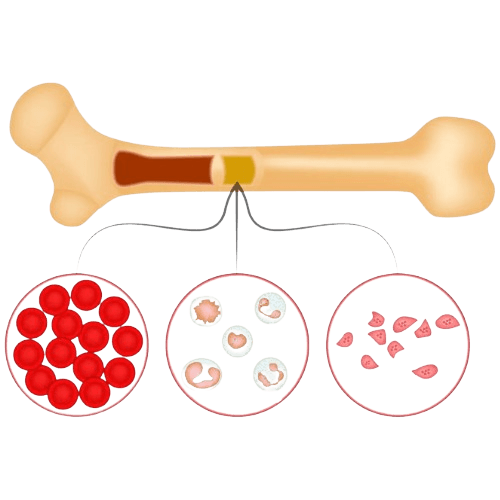
A bone marrow transplant is a medical procedure where healthy stem cells are infused into the patient to replace damaged or destroyed bone marrow.
It’s a cornerstone treatment for leukemia, lymphoma, and other hematologic diseases, enabling recovery of normal blood production after intensive chemotherapy or radiation.
Overview And Clinical Background
Marrow regeneration through stem cell infusion
The transplant restores normal hematopoietic function after marrow damage from disease or therapy.
Two main types exist: autologous (self-donated) and allogeneic (donor-based).
Each has specific indications and outcomes depending on diagnosis and patient condition.
- Autologous transplant:: Uses the patient’s own previously collected stem cells, reducing rejection risk.
- Allogeneic transplant:: Uses compatible donor cells, offering immune-based cancer control but higher rejection risk.
- Used for blood cancers, marrow failure syndromes, and immune deficiencies.
Symptoms, Signs And Presentation
Candidates typically have underlying bone marrow failure, malignancy, or genetic disease.
Symptoms leading to transplant include anemia, infections, bleeding, or relapse after prior therapy.
- Before transplant:: Fatigue, fever, and low blood counts from disease or chemotherapy.
- After transplant:: Temporary pancytopenia, risk of infection, and mucositis until engraftment occurs.
- Monitoring:: Daily blood tests and clinical observation until marrow recovery.
Diagnosis Methods And Investigations
Comprehensive pre-transplant assessment
All candidates undergo organ function testing, infectious screening, and HLA typing for donor matching.
Donor selection and stem cell quality checks ensure successful engraftment.
- Tests include:: CBC, biochemistry, viral markers, cardiac echo, pulmonary function tests, and HLA typing.
- Bone marrow biopsy:: Determines disease remission status before conditioning therapy.
- Cryopreserved stem cells are verified for viability before infusion.
Treatment Options And Surgical Techniques
Stem cells are collected from bone marrow, peripheral blood, or umbilical cord.
Conditioning chemotherapy prepares the patient by eradicating diseased cells.
Infused cells migrate to marrow and reconstitute blood formation.
- Conditioning phase:: High-dose chemotherapy or radiation suppresses immune system to allow engraftment.
- Infusion:: Healthy stem cells are delivered intravenously, similar to a blood transfusion.
- Post-transplant care:: Includes infection control, transfusions, nutrition, and immune monitoring.
Recovery, Risks And Prognosis
Engraftment takes 2–4 weeks; recovery continues over months.
Complications may include infection, graft-versus-host disease, or organ toxicity.
Success rates are high when performed in specialized centers with matched donors.
Why Choose Us
CureU Healthcare houses advanced transplant suites, cryopreservation labs, and 24x7 monitoring.
Our hematologists and infectious disease experts ensure patient safety from collection through recovery.
Conclusion
Bone marrow transplant provides a curative route for many hematologic diseases.
With modern donor matching, conditioning protocols, and supportive care, it delivers durable remission and restored vitality.

B.U.M.S, M.D. (NAT) | Reg No. 9153 | Ex. Secretary & Treasurer, N.I.M.A.
Qualified healthcare professional in Unani and Naturopathic medicine with deep expertise in traditional healthcare systems, patient-centered clinical care, and medical content review.