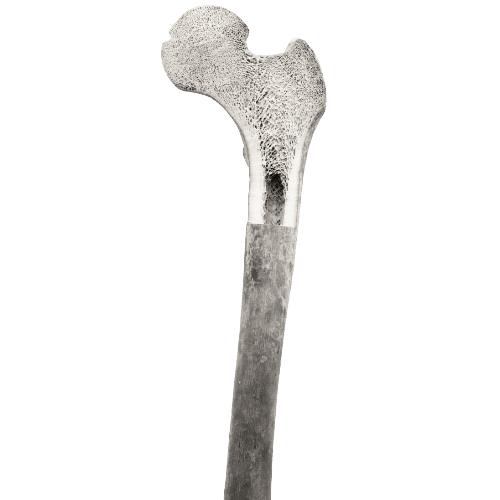
Overview
Bone marrow cancer refers to malignancies that originate in the blood-forming cells of the bone marrow.
The marrow, which produces red cells, white cells, and platelets, becomes overrun by abnormal cells, disturbing normal blood production.
The main types include multiple myeloma, leukemia, and lymphoma, each with distinct patterns, symptoms, and treatment protocols.
Overview And Clinical Background
Malignant disorders of marrow-origin blood cells
Bone marrow cancer arises when progenitor cells begin multiplying uncontrollably, disrupting normal hematopoiesis.
Depending on which cell line is affected, it may present as leukemia (white cell origin), lymphoma (lymphatic origin), or myeloma (plasma cell origin).
Early recognition and targeted treatment are essential for remission.
- Types:: Multiple Myeloma, Leukemia (AML, ALL, CML, CLL), and Lymphoma with marrow involvement.
- Primary mechanism:: Mutation of stem cells leading to uncontrolled proliferation and impaired immune function.
- Treatment goal: To eradicate malignant cells and restore normal marrow function.
Symptoms, Signs And Presentation
Symptoms vary with cancer type but often reflect marrow suppression and organ infiltration.
Early detection improves treatment outcomes.
- Common symptoms:: Fatigue, bone pain, recurrent infections, bruising, weight loss, and night sweats.
- Multiple myeloma may cause bone fractures, hypercalcemia, and kidney damage.
- Leukemia features:: Persistent fever, anemia, bleeding gums, and enlarged spleen or liver.
Diagnosis Methods And Investigations
Marrow evaluation and molecular profiling
Accurate diagnosis requires a bone marrow biopsy to determine cell morphology and genetic markers.
Blood counts, imaging, and immunophenotyping help define subtype and stage.
- Tests include:: CBC, bone marrow aspiration/biopsy, cytogenetic and molecular studies, and serum protein electrophoresis.
- Imaging:: MRI, PET-CT, or skeletal survey for bone lesions or organ involvement.
- Flow cytometry identifies abnormal cell populations for targeted therapy selection.
Treatment Options And Surgical Techniques
Treatment is personalized based on disease type and progression.
Common modalities include chemotherapy, immunotherapy, targeted therapy, and bone marrow transplantation.
Stem cell transplant remains curative in select cases.
- Chemotherapy and targeted drugs:: Used to destroy malignant cells and induce remission.
- Immunotherapy:: Monoclonal antibodies or CAR-T therapy boost immune recognition of cancer cells.
- Bone marrow or stem cell transplant restores healthy hematopoiesis after intensive therapy.
Recovery, Risks And Prognosis
Prognosis depends on disease stage, genetic profile, and response to therapy.
While early-stage diseases are highly treatable, advanced forms require long-term management.
Supportive care for anemia, infection prevention, and nutrition is crucial during recovery.
Why Choose Us
CureU Healthcare offers comprehensive hematology-oncology services including diagnostic pathology, advanced imaging, and personalized treatment protocols.
Multidisciplinary specialists ensure seamless transition from diagnosis to long-term care.
Conclusion
Bone marrow cancers demand early detection and integrated care.
With modern molecular therapies and transplant techniques, remission and long-term survival are increasingly achievable.