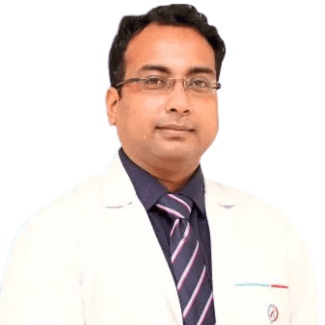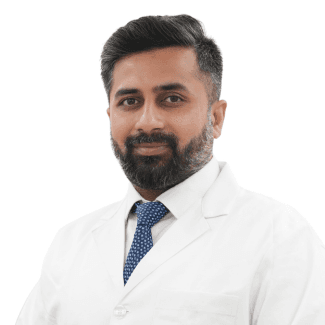

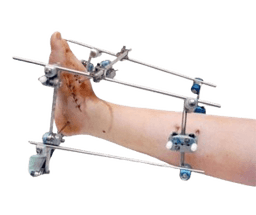
Dr. Aashish Chaudhry

Orthopedic Surgery

Dr. Aashish Chaudhry

Certified Specialist

Managing Director & Senior Orthopedic Surgeon

Aakash Healthcare Super Speciality Hospital, DwarkaNew Delhi
20+ yearsExperience
MBBSEducation
Aakash Healthcare Super Speciality HospitalHospitals
New DelhiAddress

About Dr. Aashish Chaudhry

Dr. Aashish Chaudhry is a senior orthopedic surgeon and Managing Director at Aakash Healthcare, with over two decades of experience in joint replacement and advanced orthopedic care.

He is widely recognized for his expertise in knee and hip replacement surgeries, including minimally invasive techniques aimed at faster recovery, improved joint function and long-term outcomes.

Qualification

MBBS

Completed medical graduation from a reputed institution with strong clinical foundation in surgery and patient care

MS (Orthopedics)

Specialized postgraduate training in orthopedic surgery with focus on joint replacement and trauma care

Advanced Training

Extensive exposure to modern joint replacement techniques and perioperative orthopedic management

Core Skills

Expert in knee and hip replacement, arthritis management and complex orthopedic surgical planning

Registration

Registered with Delhi Medical Council (DMC) and follows internationally accepted clinical protocols

Areas of Expertise

Knee Replacement

Primary and revision knee replacement procedures using advanced surgical techniques for improved mobility

Hip Replacement

Total hip replacement surgeries with focus on pain relief and restoration of joint function

Arthritis Management

Comprehensive treatment of osteoarthritis and degenerative joint diseases

Minimally Invasive Surgery

Use of modern surgical approaches to reduce recovery time and improve outcomes

Orthopedic Leadership

Oversight of orthopedic services and clinical standards within a tertiary care hospital

Why Choose Dr. Aashish Chaudhry?

Extensive Experience

Over 20 years of clinical and surgical experience in orthopedic care

Joint Replacement Expertise

Strong focus on knee and hip replacement procedures with consistent outcomes

Patient-Centric Approach

Treatment plans tailored to individual patient needs and functional goals

Advanced Techniques

Adoption of modern surgical practices for safer procedures and faster recovery

Leadership Role

Active role in managing and improving orthopedic care delivery systems

Achievements & Recognitions

Leadership

Managing Director at Aakash Healthcare, contributing to hospital growth and clinical excellence

Surgical Experience

Extensive experience in joint replacement surgeries with focus on long-term patient outcomes

Academic Participation

Regular participation in orthopedic conferences and knowledge-sharing platforms

Clinical Contribution

Involved in advancing orthopedic care practices within hospital settings

Patient Outcomes

Focused on improving mobility and quality of life in patients with joint disorders

Professional Memberships

Orthopedic Associations

Member of recognized orthopedic professional bodies and academic forums

DMC

Registered with Delhi Medical Council as a licensed practitioner

Trust & Editorial Policy

This content adheres to the CureU Editorial Guidelines, ensuring evidence-based accuracy and regular updates.

Let Us Help You

Free Expert Consultation

    By submitting the form I agree to the Terms of Use and Privacy Policy of CureU Healthcare.

    Treatments under Orthopedic Surgery

    Congenital Limb Defects Correction Surgery

    Orthopedic Surgery

    Congenital Limb Defects Correction Surgery

    Congenital limb defects are developmental abnormalities present at birth that affect the shape, length, alignment, or function of the upper or lower limbs. The severity may range from mild deformities to complex skeletal deficiencies that interfere with walking, grasping, balance, or overall limb function. Surgical treatment is carefully individualized based on the child’s age, bone development, growth potential, and functional limitations. Procedures may include deformity correction, bone reconstruction, tendon balancing, limb lengthening, joint stabilization, digit separation, prosthetic preparation, or advanced reconstructive orthopedic surgery. Pediatric orthopedic specialists often use staged treatment approaches to support proper skeletal growth and minimize future complications. The primary goal is to improve independence, physical function, and long term musculoskeletal development while preserving as much natural limb function as possible.

    Chat with Us
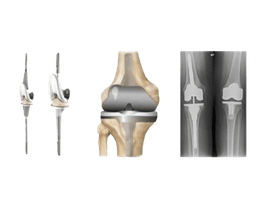
    Revision Single Knee Replacement

    Orthopedic Surgery

    Revision Single Knee Replacement

    Revision single knee replacement is a complex surgical procedure indicated when a primary knee replacement no longer functions effectively due to wear, loosening, infection, or mechanical failure. Unlike primary knee replacement, revision surgery requires careful planning, advanced surgical techniques, and customized implants to address bone loss, scar tissue, and instability. The surgeon removes the damaged or failed prosthesis, prepares the bone surfaces, and implants a new, often more durable prosthetic joint designed to restore proper alignment and function. This procedure is typically more technically demanding and may take longer than the initial surgery, but it plays a critical role in relieving persistent pain and restoring joint performance. With appropriate rehabilitation and follow-up care, most patients experience significant improvement in mobility and quality of life.

    Chat with Us
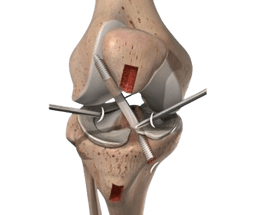
    ACL Reconstruction

    Orthopedic Surgery

    ACL Reconstruction

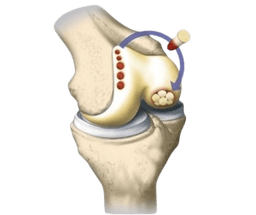
    ACL Reconstruction is a surgical procedure to repair and reconstruct the ligament in the center point of the knee. Specifically, the Anterior Cruciate Ligament (ACL) links the shin bone to the thigh bone. This procedure is typically followed after the ACL is torn, which mostly results from sports injuries or trauma. -br ACL Reconstruction in India is designed to graft a replacement of the ACL located in the knee, which helps to restore mobility and function after an injury. Additionally, an arthroscopic procedure ensures the preservation of the ligaments or the removal of the ligament after the injury. Furthermore, instead of removing the ligament, ACL Repair is also an option.
    Chat with Us
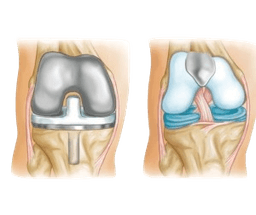
    Patellofemoral Replacement

    Orthopedic Surgery

    Patellofemoral Replacement

    Patellofemoral replacement is an advanced, bone-preserving orthopedic procedure designed for patients suffering from anterior knee pain due to cartilage degeneration behind the kneecap. Unlike total knee replacement, this surgery replaces only the patellofemoral compartment, allowing for more natural knee mechanics and faster recovery. The procedure involves reshaping the underside of the patella and the corresponding groove of the femur, followed by placement of smooth prosthetic surfaces that enable friction-free movement. It is commonly recommended for younger or active patients whose arthritis is confined to this compartment. With improved implant design and surgical precision, modern patellofemoral replacement offers durable pain relief, improved mobility, and high patient satisfaction when carefully selected based on clinical evaluation and imaging findings.

    Chat with Us
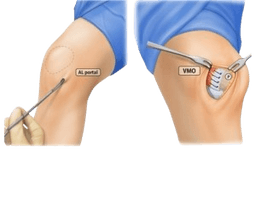
    Lateral Retinacular Release Surgery

    Orthopedic Surgery

    Lateral Retinacular Release Surgery

    Lateral retinacular release is an advanced arthroscopic knee procedure designed to correct abnormal tension within the lateral soft tissue structures of the patella. In certain patients, tight lateral tissues pull the kneecap outward, leading to pain, inflammation, cartilage wear, and instability within the patellofemoral joint. During the procedure, orthopedic surgeons carefully release or divide the tight lateral retinaculum using minimally invasive arthroscopic instruments. This helps rebalance forces acting on the kneecap and allows smoother movement within the femoral groove. The surgery may be performed alone or combined with other patellar stabilization procedures depending on the severity of instability and associated cartilage damage. Modern arthroscopic techniques help minimize tissue trauma, reduce postoperative discomfort, and support faster rehabilitation. Comprehensive physiotherapy after surgery plays a crucial role in strengthening the knee, improving alignment, and restoring functional mobility.

    Chat with Us
    Birmingham Hip Resurfacing Surgery

    Orthopedic Surgery

    Birmingham Hip Resurfacing Surgery

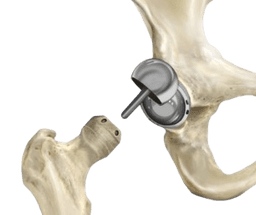
    Birmingham Hip Resurfacing, commonly known as BHR surgery, is a specialized orthopedic joint preservation procedure used to treat advanced hip arthritis, osteoarthritis, avascular necrosis, and certain degenerative hip conditions. During the operation, the damaged cartilage and bone surfaces of the femoral head are carefully reshaped and covered with a smooth metal cap while the hip socket receives a matching metal component. Unlike conventional hip replacement surgery that removes a large portion of the femur, hip resurfacing conserves more healthy bone tissue and maintains closer to natural hip biomechanics. This approach can offer improved stability, lower risk of dislocation, and better performance during high activity levels for selected patients. The procedure is commonly recommended for younger and physically active individuals with strong bone quality who wish to maintain mobility and delay future revision surgeries. Advances in implant technology, surgical planning, and rehabilitation protocols have significantly improved recovery outcomes and long term functional performance following Birmingham Hip Resurfacing surgery.

    Chat with Us
    Elbow Arthroscopy

    Orthopedic Surgery

    Elbow Arthroscopy

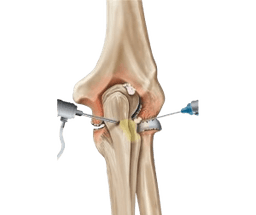
    Elbow arthroscopy is an advanced orthopedic procedure commonly performed to manage joint stiffness, cartilage damage, loose bodies, inflammation, and sports-related injuries. Using specialized instruments and high-definition imaging, surgeons can remove damaged tissue, smooth cartilage surfaces, release contractures, and address joint impingement. The minimally invasive nature of this procedure results in smaller scars, lower complication rates, and faster recovery, making it a preferred option for both athletes and non-athletes experiencing persistent elbow problems.

    Chat with Us
    Partial Hip Replacement Surgery

    Orthopedic Surgery

    Partial Hip Replacement Surgery

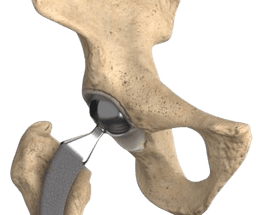
    Partial hip replacement surgery is a specialized joint reconstruction procedure primarily used for treating fractures of the femoral neck, severe localized hip damage, or selected degenerative conditions affecting the upper portion of the hip joint. During the operation, the damaged femoral head is removed and replaced with a prosthetic implant while the natural acetabulum or hip socket remains intact. This approach differs from total hip replacement, where both sides of the joint are replaced. Hemiarthroplasty is frequently recommended for elderly patients with displaced hip fractures because it allows earlier mobilization, reduced pain, and improved recovery compared to fracture fixation alone in selected cases. Depending on the patient’s condition and bone quality, surgeons may use cemented or uncemented implants for optimal stability. Modern orthopedic protocols combined with minimally invasive approaches, early physiotherapy, and postoperative rehabilitation help patients regain independence, improve balance, and reduce the risk of prolonged immobility related complications.

    Chat with Us
    Cemented Total Hip Replacement

    Orthopedic Surgery

    Cemented Total Hip Replacement

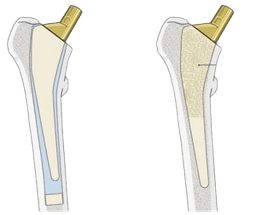
    Cemented Total Hip Replacement is a well established joint replacement procedure in which both the damaged femoral head and the hip socket are replaced with artificial prosthetic components fixed using medical grade bone cement. This specialized cement creates a secure bond between the implant and the surrounding bone, allowing stable fixation immediately after surgery. The procedure is particularly beneficial for older adults, patients with osteoporosis, or individuals with reduced bone density where uncemented implants may not achieve optimal support. During surgery, the orthopedic surgeon removes damaged cartilage and arthritic bone surfaces before accurately positioning the prosthetic joint components. The use of bone cement helps distribute pressure evenly and improves implant fixation inside weakened bone structures. Advances in implant materials, minimally invasive surgical methods, infection control, and rehabilitation programs have improved recovery speed, reduced complications, and enhanced long term mobility and quality of life after cemented total hip replacement.

    Chat with Us

    Best Doctors for Orthopedic Surgery

    Dr. Abhishek Kumar Sambharia

    12+ years

    Dr. Abhishek Kumar Sambharia

    Orthopedic Surgery

    Profile
    Dr. Bharat Bahre

    15+ years

    Dr. Bharat Bahre

    Orthopedic Surgery

    Profile
    Dr. Siddharth Bansal

    11+ years

    Dr. Siddharth Bansal

    Orthopedic Surgery

    Profile
    Dr. Aakarsh Mahajan

    8+ years

    Dr. Aakarsh Mahajan

    Orthopedic Surgery

    Profile
    Dr. Neeraj Godara

    10+ years

    Dr. Neeraj Godara

    Orthopedic Surgery

    Profile
    Call Us
    Chat now

    How can I help you?