Osteotomy Surgery
Osteotomy surgery is an advanced orthopedic procedure used to cut and reshape bone in order to correct alignment problems, reduce abnormal joint pressure, and improve movement. It is commonly performed to treat deformities, early arthritis, uneven weight distribution, and bone malalignment while helping preserve the natural joint and delay joint replacement.



About Procedure
Osteotomy is a specialized bone-preserving surgical procedure in which a surgeon cuts, repositions, removes, or adds bone to restore proper alignment and improve mechanical function. It is commonly used in the knee, hip, tibia, femur, jaw, and foot depending on the underlying condition. Unlike joint replacement surgery, osteotomy focuses on preserving the patient’s own joint by redistributing body weight away from damaged cartilage or correcting structural deformities. This makes it a preferred option in younger or active patients who want to maintain natural joint function for longer. Modern osteotomy techniques use advanced imaging, computer-guided planning, and fixation systems such as plates and screws to improve precision, enhance healing, and reduce long-term complications.
When to Consider
Osteotomy surgery should be considered when bone deformity, joint malalignment, or uneven weight-bearing begins to cause pain, instability, reduced mobility, or progressive joint damage. It is especially recommended for younger and physically active individuals who have localized cartilage wear but are not ideal candidates for full joint replacement. Patients with bow legs, knock knees, post-traumatic deformities, hip dysplasia, limb length discrepancies, or early-stage osteoarthritis may benefit significantly from osteotomy. The procedure is often advised when conservative treatments such as physiotherapy, medications, braces, or injections no longer provide adequate relief. Imaging studies like X-rays, CT scans, or MRI help determine whether osteotomy can correct the mechanical axis and preserve joint health. Delaying intervention in suitable candidates may lead to worsening deformity, accelerated cartilage loss, and earlier need for joint replacement surgery.
Common Symptoms & Indicators
Joint Pain
Persistent pain caused by uneven pressure or alignment issues.
Visible Deformity
Bow legs, knock knees, or abnormal bone angles may be noticeable.
Walking Difficulty
Altered gait or limping due to poor alignment.
Progressive Stiffness
Reduced flexibility and joint movement over time.
Need an Immediate Medical Opinion?
Speak with our medical experts right now for free.
Correct Bone Alignment and Protect Joint Health
"Osteotomy improves joint mechanics by correcting deformities and shifting pressure away from damaged areas, helping maintain natural movement."
Reduces Joint Pressure
Relieves stress on worn cartilage and painful areas.
Improves Mobility
Restores better movement and balance during walking.
Delays Joint Replacement
Preserves the natural joint in younger patients for longer.
Package Includes:
Global Cost Comparison
 USA
USA UK
UK Germany
 Thailand
 IndiaBest Choice
*Prices are approximate and subject to hospital selection & patient condition.
Get a Detailed Treatment Plan
Share your medical reports for a customized evaluation and quote.
Clinical Excellence & Technology
Joint Preservation
Helps delay joint replacement by preserving natural bone and cartilage structure.
Precision Realignment
Corrects the bone angle to improve weight distribution and reduce joint stress.
Long-Term Function
Supports better mobility and functional movement in active patients.
Your Medical Journey with CureU
Pre Arrival
Consultation and imaging review
Admission
Physical assessment and surgical planning
Surgery
Bone cutting and alignment correction
Recovery
Monitoring and rehabilitation planning
Pre-Procedure Preparation
X-rays and CT Scan
Used for detailed alignment planning.
Blood Tests
Evaluate overall fitness for surgery.
Physical Evaluation
Assess strength, gait, and range of motion.
Surgical Mapping
Precise correction angle is planned before surgery.
Tips for Faster Recovery
Limit Weight Bearing
Use support devices as instructed during healing.
Attend Physiotherapy
Essential for regaining strength and mobility.
Follow Bone Healing Plan
Regular scans may be needed to monitor healing.
Avoid High Impact Activity
Protect the corrected bone during recovery.
The CureU Personalized Touch
Clinical Buddy
A dedicated medical coordinator who stays by your side from the airport to discharge.
Cultural Comfort
Customized menus including Halal and Vegan options, with multilingual translation support.
Family Support
We take care of your companion—handling local SIM cards, currency, and safe accommodation.
Ready to Travel for Your Treatment?
Let us handle your medical visa, travel, and accommodation for a stress-free journey.
Surgical Approaches
Closing Wedge Osteotomy
A wedge of bone is removed to realign the affected limb or joint.
Opening Wedge Osteotomy
A controlled gap is created and often filled with graft material to adjust alignment.
✓ High-Quality Care in India
India's top heart centers offer JCI-accredited care with success rates matching the best Western institutions, at a fraction of the cost. Patients benefit from zero waiting times and world-renowned cardiac surgeons.
Risks & Clinical Safety
Delayed Bone Healing
Bone may take longer than expected to heal fully.
Infection
Surgical site infection is uncommon but possible.
Nerve or Vessel Injury
Rare but important risk during bone correction procedures.
Clinical Success Benchmarks
Stable Realignment Outcome
Significant Functional Relief
High Long-Term Satisfaction
Life After the Procedure
Most patients experience better alignment and reduced pain after recovery.
Joint preservation allows more years of natural movement before replacement may be needed.
Rehabilitation plays a major role in long-term success.
"Osteotomy can restore balance, protect joint health, and extend the life of your natural joint."
Expert Specialists
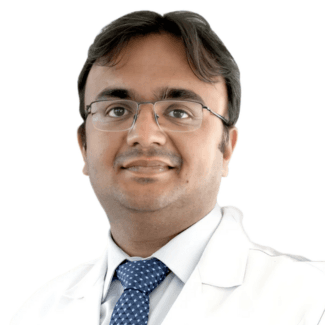

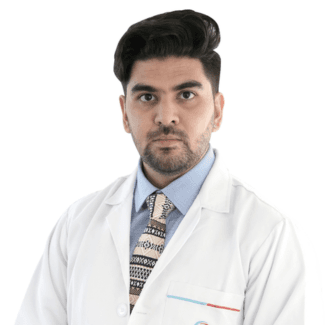
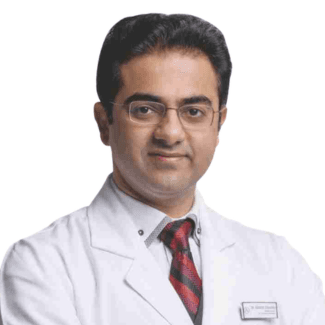
Expert Hospitals

Advanced Multi-Speciality Tertiary Care Hospital
BLK-Max Super Speciality Hospital, New Delhi
New Delhi
View Details
Flagship Multi-Speciality Tertiary Care Hospital
Indraprastha Apollo Hospital, New Delhi
New Delhi
View Details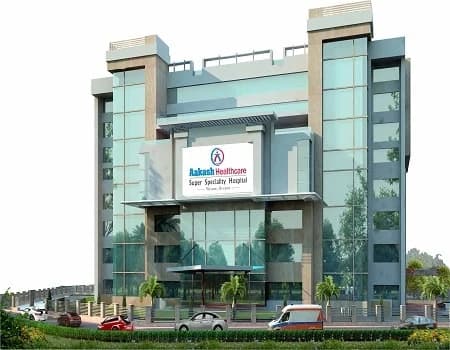
NABH-Accredited Multi-Speciality Tertiary Care Hospital
Aakash Healthcare Super Speciality Hospital, New Delhi
New Delhi
View Details
NABH-Accredited Multi-Speciality Tertiary Care Hospital
Batra Hospital & Medical Research Centre, New Delhi
New Delhi
View DetailsWhy Thousands of Patients Choose CureU
We don't just bridge the gap between patients and doctors; we provide a complete healthcare journey that is safe, affordable, and world-class.
Verified Experts
Access to top 1% medical specialists globally.
Transparent Pricing
Fixed costs with no hidden charges or surprises.
Patient First
Customized care plans tailored just for you.
Priority Access
Skip long waitlists with fast-track appointments.
