Overview
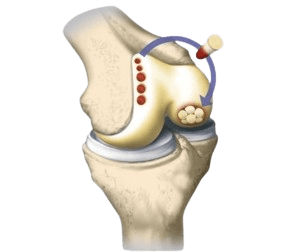
Osteochondral autografting mosaicplasty surgery is an advanced orthopedic cartilage restoration procedure used to treat localized cartilage defects within weight bearing joints such as the knee or ankle. The technique involves transferring healthy cartilage and underlying bone plugs from a non weight bearing area of the joint to the damaged region in order to restore smooth joint surfaces and improve joint function. Mosaicplasty is commonly recommended for active individuals with focal cartilage injuries causing pain, swelling, stiffness, or reduced mobility. By preserving native joint structure and promoting durable cartilage repair, the procedure helps improve movement, reduce discomfort, and delay the progression of degenerative joint disease.
Key Clinical Highlights
- Natural Cartilage Restoration: Uses the patient’s own healthy cartilage tissue to repair localized joint defects.
- Joint Preservation Technique: Helps preserve native joint structure and delay major joint replacement procedures.
- Minimally Invasive Approach: Arthroscopic techniques reduce tissue trauma and support faster rehabilitation.
When to Consider
Mosaicplasty surgery is considered when patients experience persistent joint pain, swelling, stiffness, locking sensations, or reduced mobility caused by focal cartilage defects that do not improve with medications, injections, or physiotherapy. The procedure is commonly recommended for younger or active individuals with isolated cartilage injuries, sports related damage, or early joint degeneration where preserving the natural joint is preferable to joint replacement surgery. Early orthopedic evaluation is important to prevent worsening cartilage deterioration and long term joint dysfunction.
Restore Joint Surface and Improve Mobility
The procedure helps repair damaged cartilage, improve joint mechanics, and reduce pain during movement.
- Improves Joint Function: Restored cartilage surfaces support smoother and more stable joint movement.
- Reduces Pain: Cartilage repair decreases friction and discomfort during physical activity.
- Delays Arthritis Progression: Joint preservation surgery may help slow degenerative joint deterioration.
Symptoms and Indications
- Persistent Joint Pain: Localized cartilage injuries commonly cause pain during movement or exercise.
- Joint Swelling: Inflammation and fluid buildup may occur within the affected joint.
- Joint Locking: Damaged cartilage can interfere with smooth joint motion.
- Reduced Mobility: Cartilage deterioration may limit bending, walking, or athletic activity.
Types of Osteochondral Autografting Mosaicplasty Surgery
Knee Mosaicplasty
Cartilage restoration performed for focal defects within the knee joint.
- Femoral Condyle Repair: Targets cartilage damage affecting the weight bearing femoral surfaces.
- Patellar Cartilage Repair: Treats cartilage defects involving the kneecap region.
Ankle Mosaicplasty
Restores damaged cartilage within the ankle joint to improve mobility.
- Talus Cartilage Repair: Repairs osteochondral defects affecting the talus bone.
- Combined Bone and Cartilage Grafting: Supports structural restoration in deeper cartilage injuries.
Pre-Procedure Preparation
- MRI and Joint Imaging: Advanced scans evaluate cartilage damage and defect size.
- Orthopedic Evaluation: Joint stability and alignment are assessed before surgery.
- Physical Conditioning: Strengthening exercises may improve postoperative recovery.
- Medical Clearance: Routine evaluations ensure fitness for anesthesia and surgery.
Treatment Stages
- Orthopedic Assessment (Day 1): Joint evaluation and advanced imaging
- Preoperative Planning (Week 1): Cartilage mapping and graft planning
- Surgery (Week 2): Cartilage graft transplantation procedure
- Rehabilitation (Week 4): Physiotherapy and gradual mobility recovery
Recovery Guidelines
- Follow Weight Bearing Instructions: Limited weight bearing protects healing cartilage grafts.
- Attend Physiotherapy: Structured rehabilitation restores joint movement and strength.
- Avoid High Impact Activity: Running and jumping should be avoided during early healing.
- Maintain Follow Up Visits: Regular orthopedic monitoring supports long term joint recovery.
Life After Treatment
- Many patients regain improved joint movement and reduced pain after cartilage restoration.
- Rehabilitation plays a major role in achieving stable long term functional recovery.
- Modern mosaicplasty techniques help active individuals return to sports and physical activity more safely.
Advanced cartilage restoration can help preserve natural joint function and improve long term mobility in carefully selected patients.
Potential Risks
- Incomplete Cartilage Healing: Some cartilage defects may require prolonged rehabilitation or additional procedures.
- Joint Stiffness: Temporary stiffness may occur during the early recovery period.
- Donor Site Discomfort: Mild pain may occasionally develop at the cartilage graft harvest area.
Cost Estimation in India
Estimated procedure package range: $5,000 to $12,000 USD.
Package Inclusions:
- Orthopedic consultation and imaging
- Mosaicplasty cartilage restoration procedure
- Hospital stay and surgical charges
- Postoperative rehabilitation
Global Cost Comparison
- USA: $35,000 USD
- UK: $28,000 USD
- Germany: $25,000 USD
- Thailand: $16,000 USD
- India: $9,000 USD

B.U.M.S, M.D. (NAT) | Reg No. 9153 | Ex. Secretary & Treasurer, N.I.M.A.
Qualified healthcare professional in Unani and Naturopathic medicine with deep expertise in traditional healthcare systems, patient-centered clinical care, and medical content review.