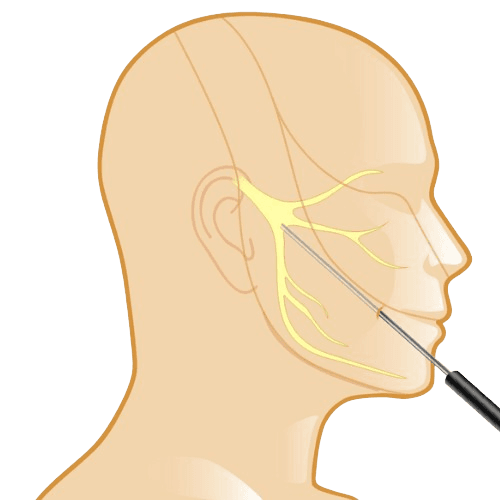
Overview
Trigeminal Neuralgia is a chronic pain condition affecting the trigeminal nerve, causing sharp, electric-shock-like facial pain.
Surgical interventions aim to relieve pressure on the nerve or selectively block pain signals.
CureU Healthcare offers advanced surgical options, including microvascular decompression and minimally invasive techniques, to improve quality of life while preserving nerve function.
Overview And Clinical Background
Understanding Trigeminal Neuralgia
Trigeminal Neuralgia (TN) involves sudden, intense facial pain due to irritation or compression of the trigeminal nerve.
Surgery is considered when medications fail to provide adequate relief.
- Pain origin:: Arises from trigeminal nerve dysfunction or compression.
- Episodes are brief but severe, often triggered by touch or movement.
- Clinical relevance:: Surgical intervention can provide long-term pain relief.
Symptoms, Signs And Presentation
Patients report sudden, electric-shock-like facial pain, often unilateral.
Pain can be triggered by chewing, speaking, or touching the face.
- Common symptom:: Severe stabbing pain on one side of the face.
- Facial muscle twitching or spasms in some cases.
- Red flag:: Persistent, escalating pain or loss of sensation requiring urgent assessment.
Diagnosis Methods And Investigations
Clinical Evaluation And Imaging
Diagnosis is based on clinical history, neurological exam, and imaging to identify nerve compression or vascular anomalies.
- Imaging:: MRI to detect vascular compression or nerve abnormalities.
- Lab tests:: Generally not required unless ruling out secondary causes.
- Neurophysiological studies to assess nerve function if needed.
Treatment Options And Surgical Techniques
Surgical options are considered when medications fail.
Techniques aim to relieve nerve compression or selectively ablate nerve fibers.
- Conservative:: Medication management with anticonvulsants and pain modulators.
- Minimally invasive options:: Radiofrequency ablation or balloon compression of the nerve.
- Open surgery like microvascular decompression for lasting relief.
Recovery, Risks And Prognosis
Recovery depends on procedure type; minimally invasive methods allow quick recovery.
Risks include temporary numbness or mild facial weakness.
Most patients experience significant pain relief with proper follow-up.
Why Choose Us
CureU Healthcare combines experienced neurosurgeons, advanced imaging, and minimally invasive techniques to ensure safe and effective treatment for trigeminal neuralgia.
Patient-centered care prioritizes both pain relief and nerve preservation.
Conclusion
Trigeminal Neuralgia Surgery offers hope for patients with debilitating facial pain.
CureU Healthcare provides expert, personalized care for optimal outcomes.