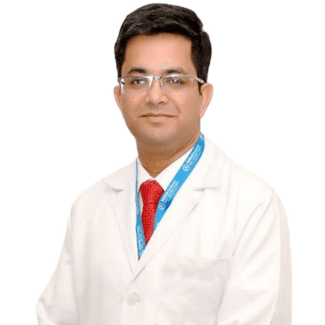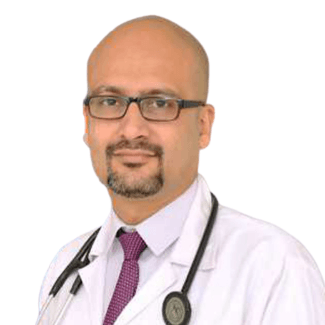
Dr. Nagesh Chandra

Neurology

Dr. Nagesh Chandra

Certified Specialist

Senior Consultant – Neurology

Aakash Healthcare Super Speciality HospitalNew Delhi
15+ yearsExperience
MBBSEducation
Aakash Healthcare Super Speciality HospitalHospitals
New DelhiAddress

About Dr. Nagesh Chandra

Dr. Nagesh Chandra is a senior neurologist with clinical experience in stroke care, epilepsy management, neuroimmune disorders, neuropathies, and chronic headache medicine. He focuses on accurate diagnosis, timely intervention, preventive strategies, and long-term neurological rehabilitation.

He follows a structured, evidence-guided approach and works closely with neurosurgery, radiology, and critical care teams.

Qualification

MBBS

Completed foundational medical training with early exposure to neurological emergencies and internal medicine rotations.

MD Medicine

Advanced postgraduate training in systemic diseases influencing neurological health, strengthening diagnostic reasoning.

DM Neurology

Super-speciality neurology degree with training in neuroimaging, neurophysiology, stroke care and complex neurological disorders.

Neurophysiology Training

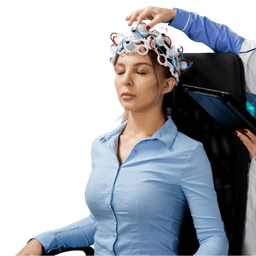
Skilled in EEG, EMG and nerve conduction studies for diagnostic evaluation of epilepsy and neuropathies.

Continued Medical Education

Regular attendee of national neurology conferences, enhancing expertise in updated therapeutic guidelines.

Areas of Expertise

Stroke Management

Acute stroke protocols including thrombolysis eligibility, imaging-based decision-making and post-stroke rehabilitation planning.

Epilepsy Care

Diagnosis, medication optimization, seizure-type classification and long-term management strategies for drug-resistant cases.

Headache & Migraine Medicine

Comprehensive management of chronic migraine, tension-type headaches and secondary headache evaluation.

Peripheral Neuropathies

Evaluation of nerve disorders with electrophysiology and management through medication, physiotherapy and risk-factor control.

Neuroimmune Disorders

Treatment of multiple sclerosis, myasthenia gravis, autoimmune neuropathies and CNS inflammatory conditions.

Why Choose Dr. Nagesh Chandra?

Structured Diagnosis

Follows evidence-based diagnostic pathways using neuroimaging and electrophysiological tools for clarity and precision.

Holistic Neurology Care

Integrates lifestyle modification, rehabilitation and counselling into long-term neurological management.

Patient Education Focus

Explains disease processes, medication safety and prognosis clearly for patient and family understanding.

Timely Intervention

Strong emphasis on early warning signs and preventive strategies to avoid neurological deterioration.

Collaborative Neurology

Coordinates with neurosurgeons, physiotherapists and radiologists for multi-disciplinary treatment planning.

Achievements & Recognitions

Stroke Unit Leadership

Active contributor to structured stroke pathways improving emergency response and recovery outcomes.

Neurology Case Presentations

Presented complex case reports and clinical insights at state and national neurology forums.

Clinical Research Participation

Engaged in observational studies related to neuropathies and epilepsy medication outcomes.

Patient Outcome Initiatives

Developed follow-up protocols that improved long-term stability for chronic neurological patients.

Hospital Quality Programs

Part of neurology-led hospital initiatives improving neuro emergency handling efficiency.

Awards

Clinical Excellence Recognition

Awarded internally for consistent contributions in neurological care and patient satisfaction.

Neurology Academic Merit

Recognised for performance during postgraduate neurology training with strong clinical evaluations.

Conference Awards

Appreciated for presenting structured neurology case analyses at medical meetings.

Teaching Appreciation

Acknowledged by trainees for clear, practical bedside teaching during ward rounds.

Community Health Commendation

Honoured for participating in neurological awareness and stroke prevention campaigns.

Professional Memberships

Indian Academy of Neurology (IAN)

Member with involvement in continuing neurology education activities.

Neurological Society of India

Participates in national-level discussions and academic sessions.

Delhi Neurology Forum

Engaged in local neurology meetings and clinical guideline updates.

Hospital Neurology Board

Contributes to protocol design and quality improvement in neurology services.

Neurophysiology Community

Active participant in electrophysiology-focused workshops and knowledge circles.

Trust & Editorial Policy

This content adheres to the CureU Editorial Guidelines, ensuring evidence-based accuracy and regular updates.

Let Us Help You

Free Expert Consultation

    By submitting the form I agree to the Terms of Use and Privacy Policy of CureU Healthcare.

    Treatments under Neurology

    Skull Base Surgery

    Neurology and Spine

    Skull Base Surgery

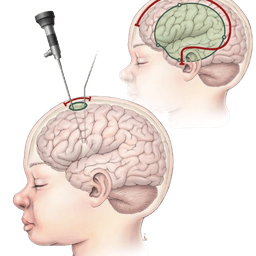
    Skull base surgery is performed to remove cancer and non-cancer growths or the abnormal development inside the brain, the skull base, or the vertebrae of the spinal column. This is because the area is hard to see and reach. The skull is made up of bones and cartilage that develop the face and cranium, which surrounds the brain. In fact, the bone of the skull can easily be felt by touch on the top of the skull. The 5 bones that form the bottom base of the cranium also form the eye socket, top of the nasal cavity, some of the sinuses, and the bones around the inner ear. Moreover, the skull base is a complex and sensitive area that has various openings. Through these openings, many blood vessels, spinal cord, and nerves pass. -br Skull base surgery in India can be done through endoscopic procedure; therefore, it comes under a minimally invasive procedure. In this method, the surgeon inserts a special tool through the nose or through the mouth, or alternatively, the surgeon makes the hole above the eyebrow and inserts the tool from there. Importantly, this type of surgery is done under the supervision of skilled surgeons and a team of specialists.

    Chat with Us
    Foraminotomy

    Neurology and Spine

    Foraminotomy

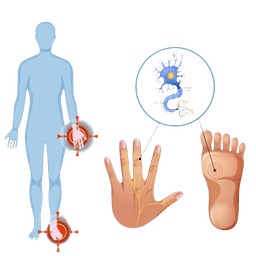
    A foraminotomy is a surgical intervention performed to relieve pressure on the nerve roots in the spine. Specifically, the procedure is used to open up the foramen or open the vertebra bone, a place where the nerve roots exit the spinal canal. In fact, the peripheral nervous system makes up the foramen, the nerve that exits the spinal canal. In case the foramen is narrow, the person can feel the nerve pain and other symptoms that may affect the movement. Therefore, a foraminotomy can be beneficial in relieving pressure and reducing pain. -br Furthermore, a foraminotomy in India is a surgical procedure that enlarges the area around one of the compressed nerves in the spinal column. The spine consists of a chain of bones known as vertebrae. The intervertebral disks are placed between vertebrae and work as a cushion. -br Sometimes, the compressed nerve can cause symptoms such as pain, tingling in the arms and legs, or weakness. Ultimately, the accurate symptoms depend on the location of the compressed nerve along the spinal column.

    Chat with Us
    Multiple Sclerosis

    Neurology

    Multiple Sclerosis

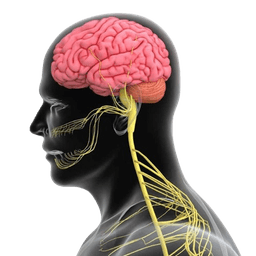
    Multiple Sclerosis (MS) is a chronic autoimmune disorder where the immune system mistakenly attacks the protective covering (myelin) of nerve fibers in the brain and spinal cord. -br This disrupts communication between the brain and body, leading to symptoms like weakness, numbness, and balance issues. -br CureU Healthcare offers comprehensive MS management — from diagnosis to long-term therapy — ensuring patients live fulfilling lives despite the condition.

    Chat with Us
    Cranioplasty

    Neurology and Spine

    Cranioplasty

    Cranioplasty is a surgical procedure that treats or repairs a defect in the skull. Skull is one of the most important and protective parts of the brain. The skull is the bone that surrounds and protects the brain. Cranioplasty helps to repair a defect in the skull that gives protection to the brain from getting damaged. Cranioplasty surgery is recommended after certain forms of brain surgery or any traumatic injury. The main aim of the cranioplasty procedure is to repair and reshape a defect in the skull. -br During the surgical intervention, the surgeon may perform:

    Chat with Us

    Best Doctors for Neurology

    Dr. Madhukar Bhardwaj

    18+ years

    Dr. Madhukar Bhardwaj

    Neurology

    Profile
    Dr. Kapil Jain

    Extensive experience in clinical neurology and neurocritical care

    Dr. Kapil Jain

    Neurology

    Profile
    Dr. Biplab Das

    Extensive experience in clinical neurology, stroke care, and neurocritical management

    Dr. Biplab Das

    Neurology

    Profile
    Dr. Deepak Varshney

    Extensive experience in clinical neurology, stroke care, and neurocritical management

    Dr. Deepak Varshney

    Neurology

    Profile
    Call Us
    Chat now

    How can I help you?