Overview
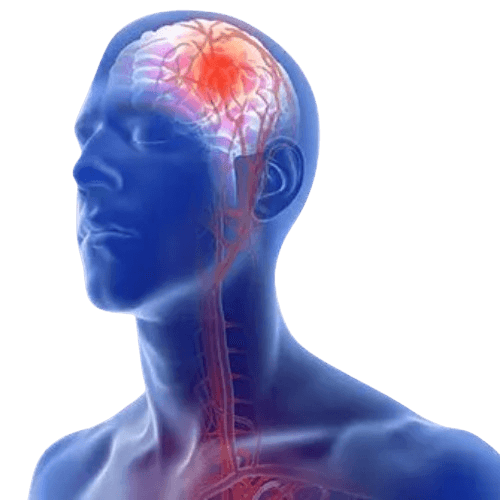
A stroke occurs when blood flow to a part of the brain is interrupted, either due to a clot (ischemic) or bleeding (hemorrhagic).
Rapid intervention is crucial to minimize brain damage and improve outcomes.
CureU Healthcare provides acute stroke management, thrombolytic therapy, and comprehensive rehabilitation to restore function and prevent recurrence.
Overview And Clinical Background
Understanding Cerebral Vascular Events
Stroke is a leading cause of disability worldwide.
Timely recognition and treatment can dramatically reduce long-term impairment.
Both ischemic and hemorrhagic strokes require urgent neurological attention.
- Types:: Ischemic (clot) and hemorrhagic (bleed) strokes.
- Risk factors include hypertension, diabetes, smoking, and heart disease.
- Clinical impact:: Sudden loss of motor, sensory, or cognitive function depending on brain region affected.
Symptoms, Signs And Presentation
Stroke typically presents suddenly with weakness, numbness, difficulty speaking, or vision changes.
Early recognition is vital for effective treatment.
- Common symptom:: Sudden weakness or numbness on one side of the body.
- Difficulty speaking, understanding, or seeing.
- Red flag:: Severe headache, sudden confusion, or loss of consciousness requiring immediate emergency care.
Diagnosis Methods And Investigations
Imaging And Laboratory Tests
Diagnosis involves urgent brain imaging and lab tests to determine stroke type and guide therapy.
- Imaging:: CT or MRI to distinguish ischemic vs hemorrhagic stroke.
- Lab tests:: Blood glucose, coagulation profile, and cardiac markers.
- Vascular studies like carotid Doppler or angiography if needed.
Treatment Options And Surgical Techniques
Immediate treatment focuses on restoring blood flow and minimizing brain injury.
Rehabilitation follows to regain lost function.
- Conservative:: Medication for clot dissolution, blood pressure, and risk management.
- Minimally invasive options:: Endovascular thrombectomy for selected ischemic strokes.
- Surgical intervention for hemorrhagic strokes or large infarcts when indicated.
Recovery, Risks And Prognosis
Recovery depends on stroke severity and timely treatment.
Rehabilitation may involve physiotherapy, occupational therapy, and speech therapy.
Early intervention improves survival and functional outcomes.
Why Choose Us
CureU Healthcare provides rapid stroke response, advanced imaging, and multidisciplinary rehabilitation.
Our team ensures personalized care to maximize recovery and reduce recurrence risk.
Conclusion
Stroke is a medical emergency, but prompt treatment and rehabilitation offer the best chance for recovery.
CureU Healthcare supports patients at every stage for optimal neurological health.