Overview
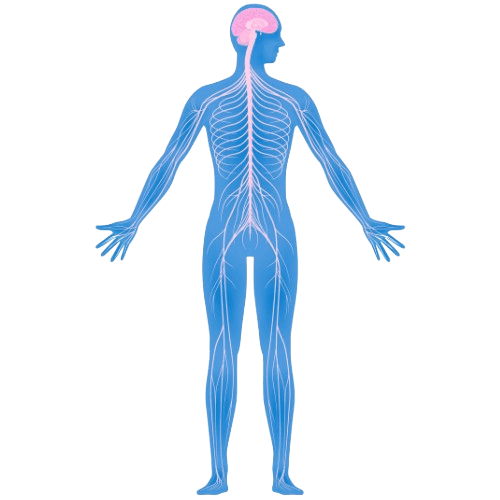
Sensory Ataxia is a neurological condition resulting from impaired proprioception or sensory nerve dysfunction.
Patients experience unsteady gait, imbalance, and difficulty coordinating movements.
CureU Healthcare focuses on diagnosing underlying causes and providing rehabilitation, medications, and supportive therapy to improve functional stability and prevent falls.
Overview And Clinical Background
Understanding Sensory Coordination
Sensory Ataxia occurs when sensory feedback from nerves is disrupted, affecting balance and coordination.
It may result from peripheral neuropathy, spinal cord disorders, or vitamin deficiencies.
- Pathophysiology:: Loss of proprioceptive input leads to uncoordinated movement.
- Typically affects lower limbs more than upper limbs.
- Clinical relevance:: Early detection reduces risk of falls and injuries.
Symptoms, Signs And Presentation
Patients show unsteady gait, difficulty walking in low light, and impaired fine motor control.
Sensory ataxia worsens with eyes closed.
- Common symptom:: Unsteady walking, frequent tripping or swaying.
- Numbness or tingling in extremities.
- Red flag:: Sudden worsening of balance indicating acute neurological event.
Diagnosis Methods And Investigations
Neurological Evaluation
Diagnosis involves neurological examination, nerve conduction studies, and imaging to identify underlying causes.
- Imaging:: MRI or CT to assess spinal cord or brain lesions.
- Lab tests:: Vitamin B12, folate, and metabolic panels to detect deficiencies.
- Electrophysiological studies to evaluate nerve signal integrity.
Treatment Options And Surgical Techniques
Management focuses on treating the underlying cause, rehabilitation, and supportive therapies.
No surgery is usually required unless structural lesions are identified.
- Conservative:: Physical therapy and balance exercises to improve coordination.
- Medical therapy:: Vitamin supplementation or medications for neuropathic causes.
- Assistive devices like canes or walkers for safety in severe cases.
Recovery, Risks And Prognosis
Recovery depends on underlying cause.
Early intervention and therapy improve balance and reduce fall risk.
Prognosis varies from partial improvement to near-normal function with rehabilitation.
Why Choose Us
CureU Healthcare offers expert neurological evaluation, advanced diagnostics, and personalized rehabilitation plans.
Our multidisciplinary team ensures optimal functional recovery for patients with sensory ataxia.
Conclusion
Sensory Ataxia can impair daily life, but with guided therapy and cause-specific treatment, patients regain balance and confidence.
CureU Healthcare provides comprehensive support for optimal outcomes.