Overview
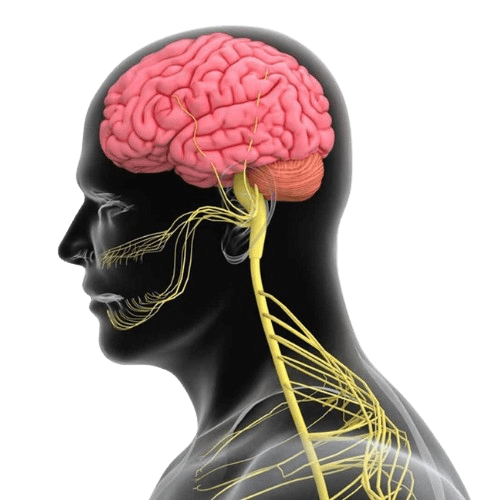
Multiple Sclerosis (MS) is a chronic autoimmune disorder where the immune system mistakenly attacks the protective covering (myelin) of nerve fibers in the brain and spinal cord.
This disrupts communication between the brain and body, leading to symptoms like weakness, numbness, and balance issues.
CureU Healthcare offers comprehensive MS management — from diagnosis to long-term therapy — ensuring patients live fulfilling lives despite the condition.
Overview And Clinical Background
Understanding MS
MS is a demyelinating disorder that affects the central nervous system.
It has relapsing-remitting or progressive forms, each requiring tailored care.
While there is no cure, treatments slow disease activity and reduce relapses.
- Pathology:: Autoimmune destruction of myelin disrupts nerve conduction.
- Inflammation and scarring (sclerosis) cause progressive neurological decline.
- Clinical relevance:: Early therapy can preserve function and delay disability.
Symptoms, Signs And Presentation
Symptoms vary by lesion location.
Patients may experience visual, sensory, or motor disturbances that come and go.
- Common symptom:: Numbness, tingling, or weakness in limbs.
- Vision loss, fatigue, and coordination difficulties.
- Red flag:: Sudden severe weakness or visual loss needs urgent neurological review.
Diagnosis Methods And Investigations
MRI And Immunologic Studies
Diagnosis relies on identifying lesions in the brain and spinal cord and confirming immune activity.
Doctors look for evidence of episodes occurring over time and space.
- Imaging:: MRI shows demyelinating plaques and active inflammation.
- Lab tests:: CSF analysis for oligoclonal bands supports MS diagnosis.
- Evoked potential tests detect slowed nerve transmission.
Treatment Options And Surgical Techniques
MS treatment focuses on controlling relapses and preventing progression.
Long-term management includes immunotherapy and rehabilitation.
- Conservative:: Corticosteroids for acute relapses and lifestyle modifications.
- Minimally invasive options:: Disease-modifying therapies (DMTs) that target immune activity.
- Plasma exchange or biologic infusions for severe, resistant cases.
Recovery, Risks And Prognosis
Most patients manage MS effectively with ongoing care.
Relapses can be minimized with consistent treatment, though progression varies by individual.
Why Choose Us
CureU Healthcare provides a complete MS care pathway — expert neurologists, infusion therapies, and rehabilitation support.
We focus on empowering patients with knowledge, therapy, and optimism.
Conclusion
While MS is lifelong, modern treatments help patients stay active, independent, and hopeful.
CureU Healthcare walks beside you every step of the way.