Overview
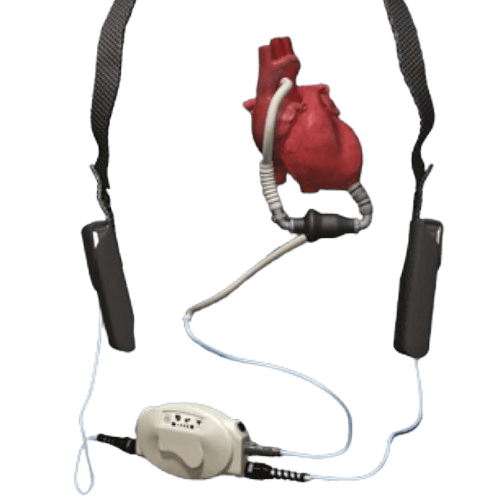
Left Ventricular Assist Device LVAD implantation is an advanced life support therapy designed for patients with severe or end stage heart failure when the heart can no longer pump enough blood to meet the body’s needs. The device acts as a mechanical pump that assists the weakened left ventricle and improves blood circulation throughout the body. LVAD therapy is widely used as a bridge to heart transplantation, bridge to recovery, or long term destination therapy for patients who are not eligible for transplant surgery. Modern LVAD systems significantly improve survival, organ function, exercise tolerance, and overall quality of life in carefully selected patients with advanced heart failure.
Key Clinical Highlights
- Advanced Mechanical Support: Continuously assists blood circulation in patients with severely weakened heart function.
- Bridge and Destination Therapy: Can support patients awaiting transplant or serve as permanent long term therapy.
- Improved Quality of Life: Helps reduce heart failure symptoms and improves physical activity capacity.
When to Consider
LVAD implantation is considered for patients with advanced or end stage heart failure who continue to have severe symptoms despite medications, implantable devices, or other cardiac procedures. It is recommended for individuals with poor heart pumping function, recurrent hospital admissions, reduced exercise tolerance, progressive organ dysfunction, or high risk of death while waiting for a heart transplant. LVAD may also be advised for patients who are not eligible for transplantation but require long term circulatory support to improve survival and quality of life.
Support Failing Heart Function
LVAD therapy improves blood circulation and prolongs survival in advanced heart failure patients.
- Restore Blood Flow: Assists the weakened heart in pumping oxygen rich blood effectively.
- Reduce Symptoms: Improves fatigue, breathlessness, and exercise intolerance.
- Bridge to Recovery: Provides temporary or long term support depending on patient condition.
Symptoms and Indications
- Severe Breathlessness: Difficulty breathing even during minimal activity or rest.
- Extreme Fatigue: Persistent weakness due to poor cardiac output.
- Fluid Retention: Swelling in legs or abdomen caused by advanced heart failure.
- Frequent Hospitalization: Repeated admissions for worsening heart failure symptoms.
Types of LVAD Lifeline for Advanced Heart Failure
Bridge to Transplant LVAD
Temporary circulatory support used while waiting for heart transplantation.
- Short Term Bridge: Supports critically ill patients until donor heart availability.
- Extended Bridge: Provides long duration support before transplant surgery.
Destination Therapy LVAD
Permanent long term support for patients unsuitable for transplant.
- Continuous Flow LVAD: Modern durable device designed for long term heart support.
Pre-Procedure Preparation
- Cardiac Evaluation: Detailed imaging and heart function testing before implantation.
- Organ Assessment: Kidney, liver, and lung evaluation to assess surgical fitness.
- Medication Planning: Adjustment of blood thinners and heart failure medications.
- Patient Counseling: Education regarding device care, batteries, and lifestyle changes.
Treatment Stages
- Pre Arrival (Day 1): Heart failure assessment and counseling
- Admission (Week 1): Advanced cardiac evaluation and preparation
- Implantation (Week 2): LVAD implantation surgery and ICU monitoring
- Recovery (Weeks 3-6): Rehabilitation and device training
Recovery Guidelines
- Device Care: Maintain proper driveline hygiene to reduce infection risk.
- Cardiac Rehabilitation: Structured exercise improves strength and endurance after surgery.
- Battery Monitoring: Regularly monitor controller and battery performance.
- Routine Follow Up: Frequent specialist visits ensure safe long term device function.
Life After Treatment
- Many patients experience improved mobility and reduced heart failure symptoms.
- Long term LVAD support can significantly improve survival and daily functioning.
- Regular monitoring and proper device care are essential for maintaining quality of life.
LVAD therapy offers a lifeline for patients with advanced heart failure when conventional treatments are no longer enough.
Potential Risks
- Infection: Driveline or surgical site infection may occur and requires close monitoring.
- Blood Clots: Clot formation may increase the risk of stroke or pump complications.
- Bleeding: Blood thinning medications can increase bleeding risk after implantation.
Cost Estimation in India
Estimated procedure package range: $85,000 to $130,000 USD.
Package Inclusions:
- Pre-surgery evaluation
- LVAD implantation surgery
- ICU and hospital stay
- Surgeon and device charges
Global Cost Comparison
- USA: $300,000 USD
- UK: $220,000 USD
- Germany: $180,000 USD
- Thailand: $140,000 USD
- India: $100,000 USD