Overview
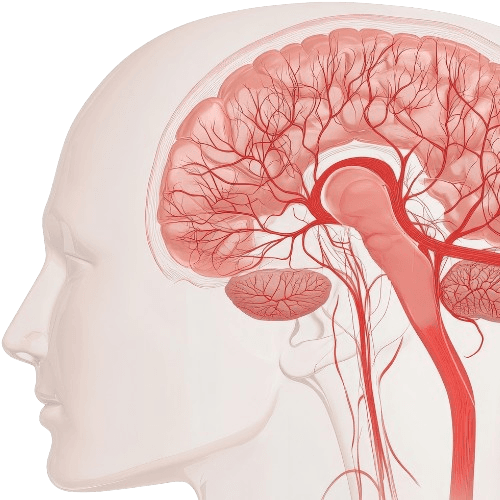
A Cerebral Angiogram is a specialized imaging test that visualizes blood vessels in the brain using X-rays and contrast dye.
It helps doctors detect aneurysms, blockages, or malformations that could cause strokes or bleeding.
The test provides detailed insight into brain circulation to plan precise treatments.
Overview And Clinical Background
Understanding Cerebral Blood Flow Imaging
Cerebral angiography involves injecting a contrast dye into brain arteries while taking high-speed X-ray images.
It’s considered the gold standard for assessing vascular health and abnormalities.
- Purpose:: Used to visualize arteries and veins supplying the brain to detect structural problems.
- Essential before neurosurgical or endovascular procedures.
- Safety:: Performed under sterile conditions with local anesthesia.
Symptoms, Signs And Presentation
The procedure itself is diagnostic, not symptom-producing.
It’s ordered when a patient shows neurological symptoms suggesting vascular issues.
- Common reason:: Unexplained headaches, vision loss, or suspected aneurysm.
- Used to evaluate stroke, tumor, or vascular malformation.
- Red flag:: Severe headache or neurological deficit before or after procedure needs review.
Diagnosis Methods And Investigations
Advanced Imaging Technology
The test is guided by fluoroscopy and involves precise catheter placement.
Post-procedure imaging confirms findings and helps decide treatment.
- Imaging:: Real-time X-ray captures contrast flow through brain arteries and veins.
- Lab tests:: Kidney function is checked before dye use to ensure safety.
- MR or CT angiography may be alternatives for less invasive assessment.
Treatment Options And Surgical Techniques
While diagnostic in purpose, it also allows therapeutic intervention.
Doctors can treat aneurysms or block vessels during the same session.
- Conservative:: Used mainly for diagnostic confirmation before planning treatment.
- Minimally invasive options:: Endovascular coiling or stent placement may be performed simultaneously.
- Open neurosurgery may follow if a structural lesion is identified.
Recovery, Risks And Prognosis
Patients typically recover within a few hours after the test.
Minor bruising at the puncture site may occur.
Serious complications are rare when performed by experienced neurologists.
Why Choose Us
CureU Healthcare’s Neurology team uses the latest digital subtraction angiography (DSA) systems for unmatched precision.
Our expert interventional radiologists ensure safe, accurate, and comfortable procedures with personalized care.
Conclusion
Cerebral Angiogram is a vital tool for diagnosing vascular brain diseases.
At CureU Healthcare, we combine skill and technology to ensure both safety and clarity in every diagnosis.