Overview
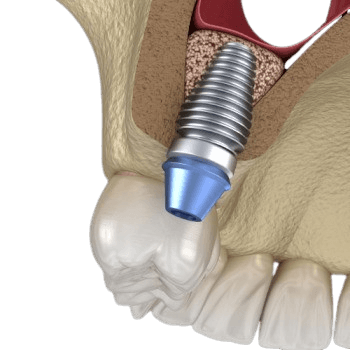
Sinus lift surgery, also called sinus augmentation, is a dental procedure that increases bone height in the upper jaw to support dental implants.
It involves lifting the sinus membrane and placing bone graft material to rebuild the area.
This procedure is essential when natural bone is insufficient for secure implant placement.
Overview And Clinical Background
Rebuilding Jawbone For Implants
The sinus lift restores adequate bone volume in the posterior maxilla (upper jaw) where bone resorption or sinus expansion limits implant placement.
The bone graft serves as a foundation for stable, long-lasting implants.
It’s performed using advanced surgical techniques under local or sedation anesthesia.
- Purpose:: Enhance bone height to securely anchor dental implants in the upper molar and premolar region.
- Typically indicated after tooth loss, trauma, or natural bone thinning.
- Outcome:: Improved implant success and long-term jawbone stability.
Symptoms, Signs And Presentation
Patients who have insufficient bone for implants may experience loose dentures or instability of prior implants.
Sinus lift is also considered before complex restorative work.
- Common symptom:: Difficulty retaining dentures or lack of jawbone support for implants.
- Changes in facial contour due to bone resorption.
- Red flag:: Persistent sinus infections or nasal obstruction must be treated before surgery.
Diagnosis Methods And Investigations
Radiographic Planning
CBCT and panoramic X-rays are used to measure bone height and locate sinus boundaries before planning graft placement.
Detailed mapping minimizes complications during surgery.
- Imaging:: Cone-beam CT scans provide 3D assessment of sinus anatomy and bone density.
- Lab tests:: Preoperative tests may include infection screening or allergy testing for graft material.
- Intraoral evaluation confirms gum and bone health readiness for augmentation.
Treatment Options And Surgical Techniques
The surgeon creates a small opening in the jawbone, lifts the sinus membrane, and fills the space with bone graft material.
Over time, the graft integrates with natural bone, forming a solid base for implants.
- Conservative:: Minor sinus lift performed simultaneously with implant placement for small bone deficits.
- Minimally invasive options:: Crestal approach using hydraulic or balloon techniques minimizes discomfort and healing time.
- Lateral window approach for greater bone augmentation when major grafting is needed.
Recovery, Risks And Prognosis
Healing takes 4–9 months as new bone forms.
Swelling or mild sinus pressure is normal initially.
Success rates exceed 95% with proper surgical planning and follow-up.
Why Choose Us
CureU Healthcare offers advanced sinus lift procedures using high-quality graft materials, guided imaging, and expert surgeons.
Our precision ensures safe healing and reliable implant outcomes.
Conclusion
Sinus lift surgery rebuilds bone foundation for dental implants.
With skilled hands and modern tools, it delivers long-term oral stability and renewed confidence.