Overview
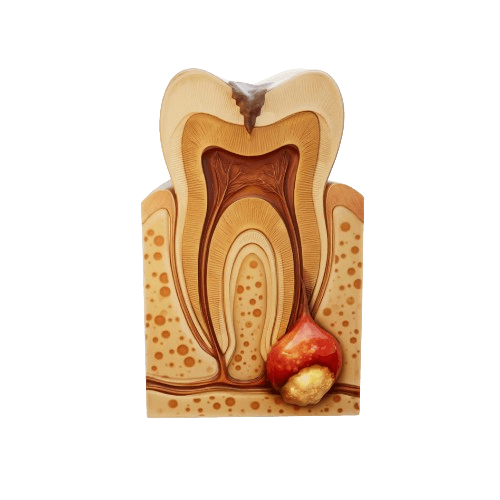
Pulpotomy is a dental procedure that removes the infected or inflamed part of the tooth’s pulp chamber, preserving the healthy pulp tissue.
It is commonly performed in children to save primary teeth affected by deep cavities or trauma. This approach relieves pain, prevents infection spread, and maintains natural tooth function until it’s time for normal exfoliation.
Overview And Clinical Background
Vital Pulp Therapy In Children
Pulpotomy is a conservative endodontic treatment designed to save teeth where the infection is limited to the crown portion.
The goal is to maintain vitality of the remaining pulp while removing the diseased part.
It’s crucial in pediatric dentistry to avoid early tooth loss that can affect alignment.
- Clinical purpose:: Removes only the infected coronal pulp, preserving root vitality and supporting permanent tooth eruption.
- Performed under local anesthesia, ensuring comfort and pain-free experience for the child.
- Material used:: Medicaments like MTA or formocresol are placed to encourage healing and prevent bacterial regrowth.
Symptoms, Signs And Presentation
Children may present with spontaneous pain, sensitivity, or visible cavities in molars.
Early intervention prevents abscess formation and tooth loss.
- Common symptom:: Deep cavity with pain during eating or temperature changes.
- Swelling or redness around the affected tooth.
- Red flag:: Facial swelling or persistent pain indicating infection spread to root pulp or surrounding tissues.
Diagnosis Methods And Investigations
Radiographs And Clinical Tests
Diagnosis involves careful pulp vitality testing and radiographic evaluation to confirm inflammation is limited to the coronal portion.
Clinical judgment is key in selecting candidates for pulpotomy.
- Imaging:: Periapical X-rays show the extent of decay and root health before proceeding.
- Lab tests:: Rarely required, unless systemic infection or immune issues are suspected.
- Thermal and percussion tests assess pulp vitality and confirm diagnosis.
Treatment Options And Surgical Techniques
After isolating the tooth, the coronal pulp is removed and medicated dressing placed.
The tooth is then sealed with restorative material or stainless-steel crown for durability.
- Conservative:: Used in early pulp inflammation to preserve tooth vitality and function.
- Minimally invasive options:: Use of biocompatible materials like MTA enhances healing and longevity.
- Full pulpectomy or extraction is considered if infection extends beyond coronal pulp.
Recovery, Risks And Prognosis
Recovery is quick, with most children resuming normal activity immediately.
The success rate is high when proper technique and materials are used, though follow-up X-rays ensure continued health.
Why Choose Us
CureU Healthcare offers gentle, child-centered dental care with advanced pain-free techniques and modern biocompatible materials.
We focus on preserving teeth and ensuring comfort during every step.
Conclusion
Pulpotomy is an effective, tooth-saving treatment that maintains natural function in children’s teeth.
Early care ensures healthy smiles and proper development.