
Overview
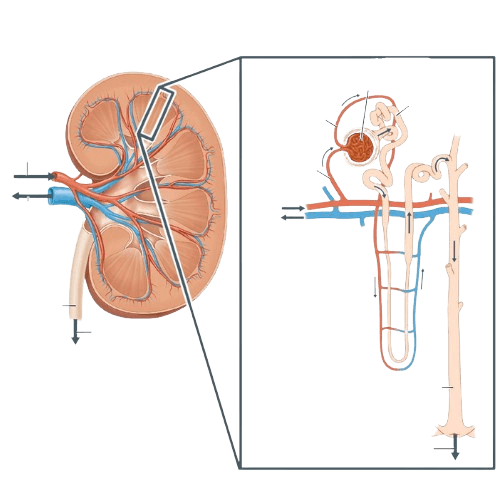
Nephropathy is a progressive kidney disorder that impairs the organs’ ability to filter blood effectively.
It’s often a complication of long-standing diabetes or hypertension, resulting in protein leakage, fluid imbalance, and toxin buildup.
Early diagnosis and management are crucial to prevent progression to end-stage kidney disease.
Overview And Clinical Background
Nephropathy encompasses a group of diseases that cause kidney dysfunction over time.
The most common forms are diabetic and hypertensive nephropathy, both affecting the glomeruli responsible for filtration.
- Common cause:: Long-term diabetes or uncontrolled blood pressure.
- Pathology:: Damage to glomerular capillaries leads to protein leakage.
- Complication:: Can progress to chronic kidney failure if untreated.
Symptoms, Signs And Presentation
The condition often develops silently.
Symptoms may only appear when kidney function is significantly reduced.
- Early sign:: Protein in urine (microalbuminuria).
- Advanced symptoms:: Swelling, fatigue, nausea, and high blood pressure.
- Chronic effects:: Fluid retention and anemia.
Diagnosis Methods And Investigations
Blood And Urine Analysis
Diagnostic evaluation includes lab tests and imaging to assess kidney function and identify structural changes.
- Tests:: Serum creatinine, eGFR, and urine albumin levels.
- Imaging:: Ultrasound or Doppler to evaluate kidney size and flow.
- Biopsy:: Used in unclear cases to identify underlying cause.
Treatment Options And Surgical Techniques
Management focuses on controlling underlying diseases and slowing progression.
Lifestyle, diet, and medications play key roles.
- Medication:: ACE inhibitors or ARBs reduce protein leakage and protect kidneys.
- Lifestyle:: Low-salt diet, blood sugar control, and hydration.
- Advanced stages:: Dialysis or kidney transplant if failure develops.
Recovery, Risks And Prognosis
Early detection improves outcomes significantly.
Proper control of blood pressure and glucose can slow or halt progression to chronic kidney disease.
Why Choose Us
CureU Healthcare offers advanced nephrology care with regular monitoring, personalized medication plans, and preventive lifestyle guidance for long-term kidney health.
Conclusion
Nephropathy can be managed effectively through consistent care, early intervention, and disciplined health management.

B.U.M.S, M.D. (NAT) | Reg No. 9153 | Ex. Secretary & Treasurer, N.I.M.A.
Qualified healthcare professional in Unani and Naturopathic medicine with deep expertise in traditional healthcare systems, patient-centered clinical care, and medical content review.