Overview
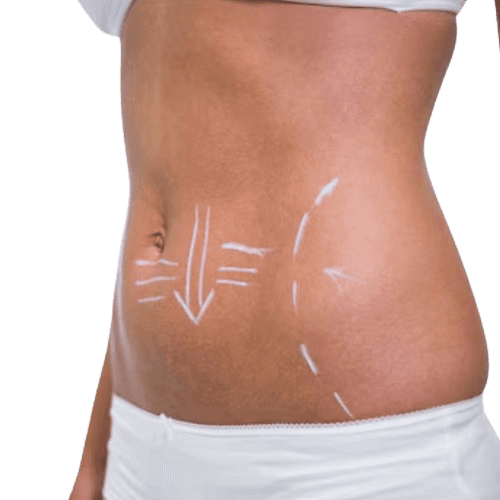
Liposuction surgery, also known as lipoplasty, is a cosmetic procedure designed to remove excess fat deposits resistant to diet and exercise.
It helps contour areas like the abdomen, thighs, arms, and neck, giving a more sculpted appearance.
The goal is not just weight loss but reshaping the body for enhanced proportions and self-image.
Overview And Clinical Background
Understanding Lipoplasty
Liposuction targets specific fat pockets using suction techniques to refine body shape.
Over the years, the procedure has evolved with safer, less invasive methods like tumescent, laser-assisted, and ultrasound-assisted liposuction.
It’s ideal for individuals close to their ideal weight but struggling with localized fat.
- Tumescent technique:: Involves injecting a saline solution with anesthetic to minimize bleeding and ease fat removal.
- Can be performed under local or general anesthesia depending on area size.
- Goal:: To achieve smoother, natural contours with minimal scarring.
Symptoms, Signs And Presentation
Candidates usually present with stubborn fat deposits that don’t respond to exercise or diet.
Common areas include abdomen, thighs, arms, neck, and lower back.
- Common concern:: Excess fat in localized regions despite fitness efforts.
- Uneven or disproportionate body contour.
- Red flag:: Patients seeking major weight loss should consider other options.
Diagnosis Methods And Investigations
Preoperative Evaluation
Preoperative assessment includes medical history, physical exam, and sometimes imaging to estimate fat distribution.
The surgeon also evaluates skin elasticity to predict post-surgery outcomes.
- Imaging:: Ultrasound or 3D body scanning may be used to plan fat removal zones.
- Lab tests:: Basic tests to assess fitness for anesthesia and healing.
- A full consultation helps set realistic expectations for results.
Treatment Options And Surgical Techniques
Liposuction uses small cannulas to suction out fat through tiny incisions.
Advanced methods like laser-assisted or ultrasound liposuction improve precision and recovery time.
- Conservative:: Diet, exercise, and non-surgical contouring can be tried before surgery.
- Minimally invasive options:: Laser-assisted and tumescent techniques offer faster recovery and less bruising.
- Traditional suction-assisted liposuction is used for large or fibrous areas requiring higher precision.
Recovery, Risks And Prognosis
Swelling and soreness are common for a few weeks, but most patients return to normal activity in 7–10 days.
Full results emerge in 2–3 months once swelling subsides.
Complications are rare when performed by certified cosmetic surgeons.
Why Choose Us
CureU Healthcare offers advanced liposuction using the latest technology for safety and precision.
Our experts focus on achieving natural, balanced results with minimal downtime and comprehensive aftercare.
Conclusion
Liposuction is an effective, proven method to enhance body shape and confidence.
With modern techniques and expert hands, it provides lasting, transformative results.


