Overview
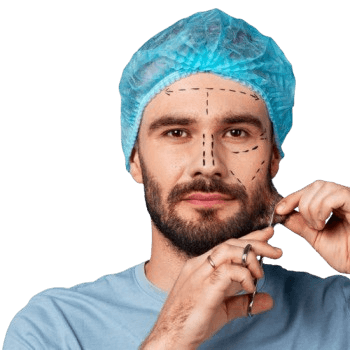
Facial implant surgery is designed to enhance facial balance, contour, and definition by augmenting specific areas such as the chin, cheeks, or jawline.
It’s often chosen by individuals seeking more defined facial features or correcting asymmetries caused by genetics, injury, or aging. The implants are made of biocompatible materials and customized to blend seamlessly with natural bone structure.
This procedure not only refines appearance but can also restore confidence and harmony to facial proportions.
Overview And Clinical Background
Restoring Balance To The Face
Facial implants provide a long-term solution for enhancing or reconstructing facial structure.
They are inserted surgically to improve projection and symmetry, often used in cosmetic enhancement or post-trauma reconstruction.
The procedure is tailored to the individual's anatomy, ensuring natural-looking results and minimal scarring.
- Implant areas:: Common regions include the chin, cheeks, and jawline to add volume, correct asymmetry, or improve contour definition.
- Materials are biocompatible, typically silicone or porous polyethylene, designed to integrate safely with facial tissues.
- Longevity:: Implants are permanent but can be revised or replaced if facial changes occur over time.
Symptoms, Signs And Presentation
Patients seeking facial implants often present concerns about weak or undefined features.
Some may require reconstruction after trauma or congenital deformities that affect balance and symmetry.
- Common concern:: Weak chin, hollow cheeks, or lack of jawline definition.
- Facial asymmetry or imbalance between upper and lower facial thirds.
- Red flag:: Previous infections or skin conditions must be managed before surgery.
Diagnosis Methods And Investigations
Preoperative Evaluation And Planning
Comprehensive consultation includes facial analysis, photography, and 3D imaging to determine implant size and position.
Surgeons assess bone structure, soft tissue balance, and symmetry before surgery.
- Imaging:: 3D scans and X-rays guide implant placement and customization to the facial skeleton.
- Lab tests:: Routine preoperative labs ensure fitness for anesthesia and healing.
- Simulation software may help visualize the expected postoperative outcome.
Treatment Options And Surgical Techniques
The surgery is performed under local or general anesthesia.
Incisions are made discreetly inside the mouth or along natural creases to minimize visible scars. The implant is positioned and secured precisely for optimal alignment.
- Conservative:: Dermal fillers may provide temporary contouring for those not ready for surgery.
- Minimally invasive options:: Small incisions and custom-fit implants reduce downtime and improve comfort.
- Open surgical approaches are used for significant contour enhancement or reconstruction after trauma.
Recovery, Risks And Prognosis
Most patients resume daily activities within a week, though swelling and bruising may last 10–14 days.
Long-term results appear once tissues settle. Complications are rare but can include infection or implant displacement. Proper hygiene and follow-up ensure durable results.
Why Choose Us
CureU Healthcare provides advanced facial implant surgery performed by skilled cosmetic surgeons.
Our team uses precision 3D imaging, customized implants, and gentle surgical techniques to ensure balance, beauty, and safety in every procedure.
Conclusion
Facial implant surgery helps redefine facial structure and balance, offering long-lasting enhancement with natural results.
With expert care and technology, patients achieve refined features and renewed self-confidence.


