Overview
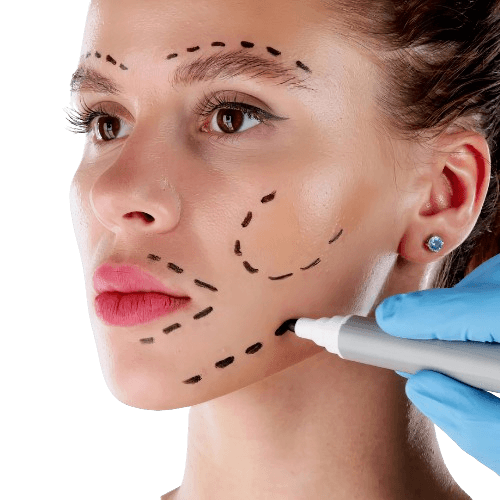
A facelift, also known as rhytidectomy, is a cosmetic surgical procedure designed to reduce visible signs of aging on the face and neck.
The surgery removes excess skin, tightens underlying muscles, and repositions tissues to create a firmer, smoother, and more youthful appearance.
It can dramatically improve sagging cheeks, deep wrinkles, and jowls while maintaining a natural expression.
Overview And Clinical Background
Restoring Facial Youth
Facelift surgery addresses facial sagging and volume loss due to aging, sun exposure, and genetics.
The procedure focuses on repositioning underlying structures rather than simply stretching the skin, ensuring lasting and natural results.
- Goal:: To rejuvenate facial features by tightening muscles and removing redundant skin.
- Can be combined with eyelid or neck lift for complete facial harmony.
- Duration:: Typically takes 3–5 hours depending on the technique and patient needs.
Symptoms, Signs And Presentation
Patients seek facelift surgery to address visible aging changes that cannot be corrected with non-surgical treatments.
Ideal candidates have good skin elasticity and realistic expectations.
- Common concern:: Loose skin, deep folds, or sagging jawline.
- Loss of facial contour and visible wrinkles.
- Red flag:: Uncontrolled hypertension or bleeding disorders must be managed before surgery.
Diagnosis Methods And Investigations
Preoperative Assessment
A full facial evaluation and skin elasticity assessment guide the surgical plan.
Photography and 3D simulation help visualize expected outcomes.
- Imaging:: High-resolution facial imaging for planning incisions and lift direction.
- Lab tests:: Routine tests including CBC, ECG, and clotting profile ensure surgical safety.
- Detailed discussion of patient goals and facial anatomy alignment.
Treatment Options And Surgical Techniques
Facelift techniques range from mini to full facelifts.
The approach depends on the extent of aging and the areas needing rejuvenation.
- Conservative:: Topical and injectable treatments may delay surgical needs.
- Minimally invasive options:: Mini-facelifts or thread lifts for early aging signs.
- Full facelift involves tightening deep tissues (SMAS layer) and removing excess skin for longer-lasting results.
Recovery, Risks And Prognosis
Swelling and bruising subside within 2–3 weeks.
Final results appear after a few months and can last 10 years or more with proper care.
Complications like infection or nerve injury are rare when performed by skilled surgeons.
Why Choose Us
CureU Healthcare offers advanced facelift procedures performed by board-certified cosmetic surgeons.
We ensure natural results using refined techniques and provide dedicated aftercare support for smooth recovery.
Conclusion
Facelift surgery rejuvenates both appearance and confidence.
With expert care, you can enjoy natural, youthful facial contours that reflect vitality and elegance.


