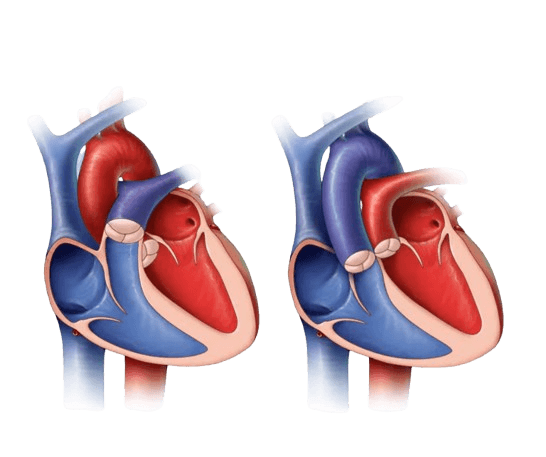
Overview
Congenital heart surgeries are specialized cardiac procedures performed to correct structural heart defects that are present from birth. These abnormalities can affect the heart walls, valves, blood vessels, or chambers and may interfere with normal blood circulation and oxygen delivery throughout the body. Modern congenital cardiac surgery helps restore proper heart function, improve growth and development in children, reduce long term complications, and significantly enhance survival and quality of life for both pediatric and adult congenital heart patients.
Key Clinical Highlights
- Advanced Pediatric Cardiac Care: Specialized congenital heart teams provide comprehensive treatment for complex heart defects.
- Customized Surgical Planning: Each procedure is carefully planned according to the child’s anatomy and cardiac condition.
- Improved Long Term Outcomes: Modern congenital surgery techniques help improve survival, growth, and heart performance.
When to Consider
Congenital heart surgeries are recommended when structural heart abnormalities affect normal blood flow, oxygen circulation, heart development, or daily functioning. Surgery may be necessary in newborns with severe congenital defects causing breathing difficulty, cyanosis, feeding problems, or poor growth. It is also advised for children and adults experiencing recurrent chest infections, exercise intolerance, fatigue, irregular heart rhythms, or progressive heart enlargement due to untreated congenital defects. Early surgical intervention often improves long term cardiac function and reduces the risk of future complications.
Restore Healthy Heart Structure and Circulation
The surgeries help correct congenital abnormalities, improve oxygen delivery, and support healthy heart and body development.
- Improves Oxygen Flow: Corrects abnormal circulation patterns that reduce oxygen delivery to the body.
- Supports Growth and Development: Helps children gain strength, weight, and normal physical development.
- Reduces Future Complications: Early treatment lowers the risk of heart failure and pulmonary hypertension.
Symptoms and Indications
- Breathing Difficulty: Rapid breathing or shortness of breath may indicate congenital heart disease.
- Bluish Skin Color: Reduced oxygen circulation can cause cyanosis in lips or fingers.
- Poor Feeding or Growth: Infants may struggle with feeding and weight gain.
- Fatigue: Children may become tired quickly during activity or play.
Types of Congenital Heart Surgeries
Septal Defect Repair
Surgical correction of holes between the heart chambers to restore proper circulation.
- ASD Closure: Repair of atrial septal defects affecting the upper heart chambers.
- VSD Repair: Closure of ventricular septal defects between the lower heart chambers.
Complex Congenital Surgery
Advanced corrective procedures for major congenital heart abnormalities.
- Tetralogy of Fallot Repair: Corrects multiple structural defects affecting oxygen rich blood flow.
- Arterial Switch Procedure: Used for transposition of the great arteries in newborns.
Pre-Procedure Preparation
- Heart Imaging: Echocardiography and cardiac scans evaluate the defect.
- Blood Investigations: Routine tests assess overall health before surgery.
- Anesthesia Evaluation: Pediatric anesthesia planning ensures surgical safety.
- ICU Preparation: Postoperative intensive care arrangements are completed.
Treatment Stages
- Initial Evaluation (Day 1): Cardiac imaging and pediatric assessment
- Admission (Week 1): Preoperative preparation and monitoring
- Surgery (Week 2): Congenital heart defect correction
- Recovery (Week 3): ICU care and rehabilitation
Recovery Guidelines
- Regular Follow Ups: Continuous cardiac monitoring supports long term recovery.
- Balanced Nutrition: Healthy nutrition helps children regain strength after surgery.
- Gradual Physical Activity: Physical activity should increase slowly as advised by specialists.
- Medication Compliance: Prescribed medications should be taken regularly during recovery.
Life After Treatment
- Many children achieve improved growth, activity levels, and overall quality of life after surgery.
- Regular pediatric cardiac follow ups help maintain long term heart health.
- Advances in congenital cardiac care allow many patients to lead active and productive lives.
Timely congenital heart surgery can transform long term heart function and childhood development.
Potential Risks
- Bleeding: Cardiac surgery may involve controlled surgical bleeding risks.
- Heart Rhythm Changes: Temporary or permanent rhythm disturbances may occur after surgery.
- Infection: Postoperative infections are uncommon but require prompt treatment.
Cost Estimation in India
Estimated procedure package range: $6,000 to $18,000 USD.
Package Inclusions:
- Pediatric cardiac evaluation
- Congenital heart surgery
- ICU and hospital stay
- Surgeon and anesthesia charges
Global Cost Comparison
- USA: $95,000 USD
- UK: $70,000 USD
- Germany: $65,000 USD
- Thailand: $32,000 USD
- India: $14,000 USD