Understanding Radiofrequency Ablation for Abnormal Heart Rhythms
Ablation in India is a procedure that uses radiofrequency energy to destroy a small area of heart tissue causing pain and abnormal heartbeats. Removing this tissue helps restore a normal heart rhythm. The technique targets only the irregular tissue, leaving the rest of the heart unharmed. This procedure is called radiofrequency ablation.
Understanding the Heart’s Role in Blood Circulation
The main function of the heart is to maintain the blood supply to the other parts of the body. The heart is divided into four chambers. The upper two chambers receive blood that returns from the body through the veins: the right atrium and the left atrium. Meanwhile, the lower chambers are responsible for pumping the blood out to the body through the arteries. The heart also controls the pumping function, ensuring the proper flow of blood.
Arrhythmias: Understanding and Treatment
The heart develops a special type of cells that produce electrical signals, which move to the heart's chambers. However, irregular cells may develop unstructured electrical signals, leading to abnormal or faster heartbeats, known as arrhythmias. As a result, this can obstruct the heart from normal pumping, causing a person to feel unconscious. These electrical signals allow the heart's upper and lower chambers to beat in a normal way.
In terms of treatment, irregular heartbeats can often be managed with medicines. However, these medications do not work for everyone. In such cases, catheter ablation serves as an alternative treatment.
Complications in ablation
The catheter ablation method is safe. But as like other treatments, it also has some risks. The risk of ablation includes:
- Arrhythmias
- Blood clots
- Infection
- Damage to heart
- Damage to blood vessels
- Bleeding at the site where catheter is inserted
- Arteries may be damaged due to insertion of catheter.
Catheter Ablation Procedure for Arrhythmias
This procedure is performed under the observation of a doctor with their nurse and technicians. It is typically done at the best heart hospitals in India or Cath labs in India.
Firstly, anesthesia is given before starting the catheter insertion, as the anesthesia will help to relax the body and prevent you from feeling pain. The nurse will then clean and shave the groin area where the insertion is to be performed before the doctor makes the insertion.
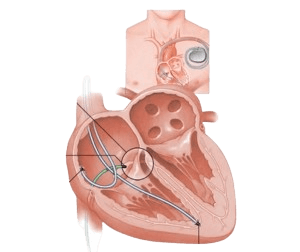
Next, the doctor will induce a needle and make a small puncture through the skin into the blood vessel. This is mostly done in the groin or sometimes in the arm or upper thigh. Afterward, a sheath (a small-sized tube) is inserted into the blood vessel. The catheter will then be navigated into the vessel via the sheath. A video will monitor the catheter on the screen. The doctor will insert a few thin wires, known as electrode catheters, through the sheath, and these wires will be positioned into your heart.
To find the arrhythmia, the tissue causing abnormal heartbeats, the doctors will give a small electrical impulse via the electrode catheter. This will trigger the irregular tissue developing the arrhythmia. Additionally, other wires or catheters will note the heart's signals to locate the area of the arrhythmia.
Once the catheter is positioned at the site where the abnormal cells are developing, radiofrequency energy will be given to the tissue. This step will remove the cells of the heart muscle in a very few sites that are the reason for faster or abnormal heartbeats.
Finally, this entire process of ablation will take around four hours to complete.
What is a Pacemaker?
The pacemaker is small and battery-operated. It consists of three elements: a generator, wires, and sensors. As technology develops over time, pacemakers have now become wireless, making them much easier to use.
This device is used to control abnormal heartbeats with electrical impulses. The pacemaker is implanted inside the skin with a small incision or cut at the site of the groin, upper arm or thigh. However, irregular cells may develop unstructured electrical signals, leading to abnormal or faster heartbeats, known as arrhythmias. A pacemaker is a device that helps the heart beat in a normal and regular rhythm.
Cost of ablation with pacemaker in India
The cost of ablation with a pacemaker in India is less than in other Western nations, especially when performed at renowned heart hospitals in India. Furthermore, the advanced technology and skilled surgeons make India a more approachable country for such treatments.
Conclusion
The heart develops a special type of cells that produce electrical signals, which move to the heart's chambers. However, irregular cells may develop unstructured electrical signals, leading to abnormal or faster heartbeats, known as arrhythmias
This pacemaker is used to control abnormal heartbeats with electrical impulses. The pacemaker is implanted inside the skin with a small incision or cut at the site of the groin, upper arm or thigh.

B.U.M.S, M.D. (NAT) | Reg No. 9153 | Ex. Secretary & Treasurer, N.I.M.A.
Qualified healthcare professional in Unani and Naturopathic medicine with deep expertise in traditional healthcare systems, patient-centered clinical care, and medical content review.