Ayurveda Treatment for Paralysis
(Panchakarma, Abhyanga, Swedana, Nasya, Virechana & ShiroVasti)
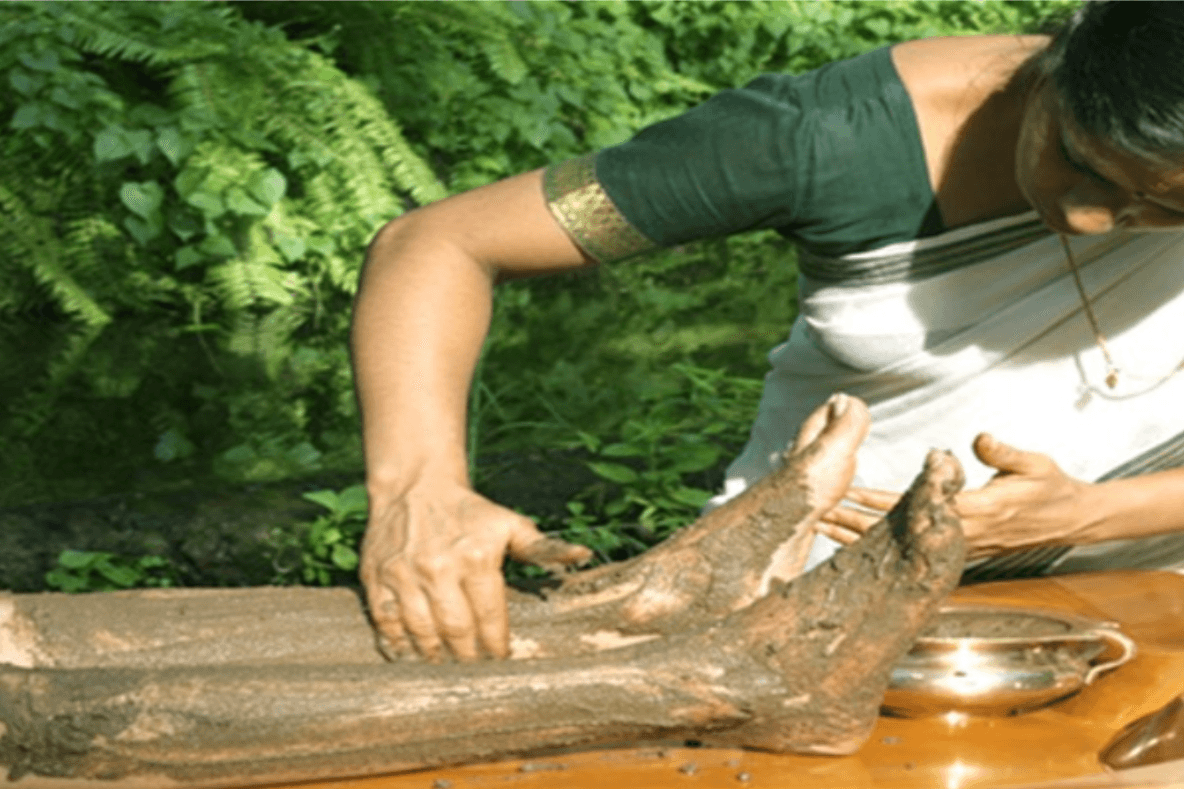
About the Treatment
Paralysis is the loss of muscle movement in the body. The sense of movement is controlled by communication between the sensory nerves which are part of the peripheral nervous system and the central nervous system which is comprised of the brain and spinal cord. Disruption of communication of nerve impulses anywhere along the pathway from the brain to the muscles can impair control of muscle movement and cause muscle weakness and loss of coordination. Muscle weakness can progress to paralysis, loss of the ability to move the muscles.
There are many types and degrees of paralysis.Paralysis can be caused due to different reasons, some of which can be serious. Depending on the cause, it may be temporary or permanent.
Paralysis can occur in any part of the body and is either localized when it affects only one part of the body or generalized when it affects a wider area of the body. Localized paralysis often affects areas such as the face, hands, feet, or vocal cords. Generalized paralysis is broken down based on how much of the body is paralyzed.
According to ayurveda, paralysis occurs when the vatadosha aggravates In the brain. Strenuous exercises, continuous exposure to stress, sleeplessness or obstruction of channels present in the brain lead to aggravation of the vatadosha. Aggravated vatadosha can dry up the nerves with an adverse effect on the opposite side of the body.
Ayurveda treatment for paralysis focuses on strengthening the muscles and nerves and treating it from the core.
Dosha Focus & Balance & Therapies
Dosha Balance
Imbalanced Vata, Pitta, or Kapha depending on condition
Recommended Ayurvedic Therapies
- Abhyanga (Herbal oil massage)
- Swedana (Steam therapy)
- Shirodhara (Relaxing oil pouring)
Guidelines (Ahara & Vihara)
Dietary Guidelines (Ahara)
Fresh organic food, warm meals, easily digestible diet. Stay hydrated with herbal teas. Avoid stale, frozen, or processed foods.
Lifestyle & Activity (Vihara)
Establish a healthy daily routine (Dinacharya), incorporate moderate yoga and meditation, secure 7-8 hours of sleep, and stay active.
Patient Success Stories
"Wonderful Ayurvedic hospitality. The therapies were tailored to my needs and helped me recover my strength."
"Professional doctors and authentic herbal medicines. India is the best place to receive traditional healing."
Accredited Ayurveda Wellness Centers

