

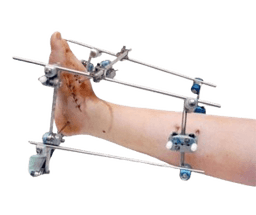
Treatment
Congenital Limb Defects Correction Surgery
Congenital limb defects correction surgery is a specialized orthopedic procedure performed to improve the structure, alignment, and function of limbs affected.
Chat with Us→

Orthopedic Surgery
Consultant Orthopedic Surgeon – Sports Injuries & Arthroscopy
Dr. Abhishek Kumar Sambharia specialises in sports-related injuries, arthroscopic ligament and meniscal repair, shoulder surgery and early-career athlete care.
He focuses on evidence-based minimally invasive care, functional return-to-sport programmes and personalised rehabilitation.
This content adheres to the CureU Editorial Guidelines, ensuring evidence-based accuracy and regular updates.
Free Expert Consultation
Treatment
Congenital limb defects correction surgery is a specialized orthopedic procedure performed to improve the structure, alignment, and function of limbs affected.
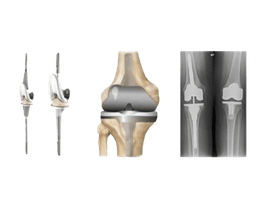
Treatment
Revision single knee replacement is a specialized orthopedic procedure performed to replace or repair a previously implanted knee prosthesis that has failed or.
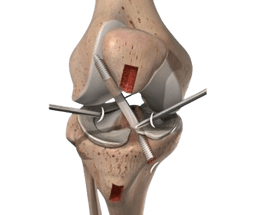
Treatment
ACL Reconstruction is a surgical procedure to repair and reconstruct the ligament in the center point of the knee.
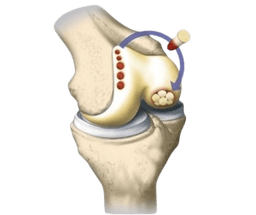
Treatment
Osteochondral autograft is a piece of tissue harvested from the healthy parts of the joint.
Treatment
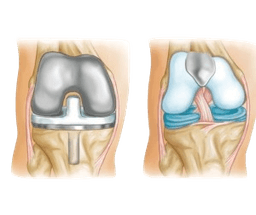
Patellofemoral replacement is a specialized knee surgery that targets damage limited to the front compartment of the knee, specifically between the kneecap and.
Treatment
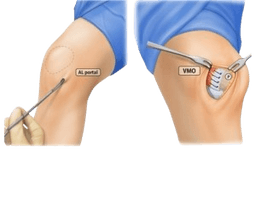
Lateral retinacular release surgery is a minimally invasive orthopedic procedure performed to relieve excessive tightness of the lateral retinaculum.
Treatment
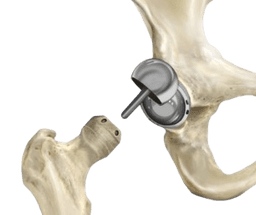
Birmingham Hip Resurfacing Surgery is an advanced bone preserving orthopedic procedure designed for patients with severe hip arthritis or degenerative hip.
Treatment
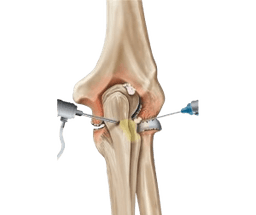
Elbow arthroscopy is a minimally invasive surgical procedure used to diagnose and treat conditions affecting the elbow joint. A small camera called an.
Treatment
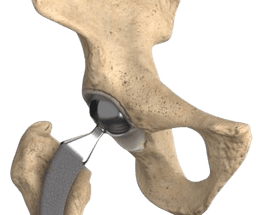
Partial Hip Replacement Surgery, also known as hemiarthroplasty, is an advanced orthopedic procedure performed to replace the damaged or fractured femoral head.
Treatment
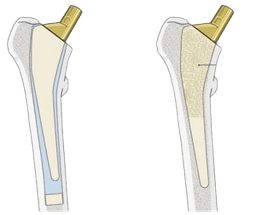
Cemented Total Hip Replacement is an advanced orthopedic joint reconstruction procedure used to replace severely damaged hip joints using specialized bone.