Overview
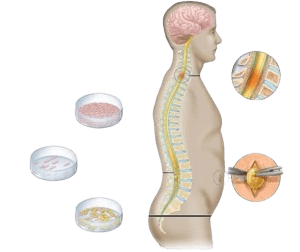
Spinal cord injury (SCI) is caused due to traumatic injury, such as vehicle accidents, falling from the height, and sports injuries. Moreover, the seriousness of the injury depends on the location and how much it is injured, which sometimes include paralysis, loss of sensation, and dysfunction of motor skills below the level of injury. As a result, patients sometimes feel difficulties with bladder and bowel control, sexual dysfunction, and chronic pain that, in turn, has a severe impact on the quality of life and the person's individuality.
Symptoms of spinal cord injury
The common symptoms of spinal cord injury include:
- Partial or complete loss of motor
- Loss of sensory function
- Spasticity
- Chronic pain
Some of the complications and problems associated with SCI include:
- Muscle atrophy
- Joint contractures
- Pressure sore
- Autonomic dysreflexia
Psychological change such as:
- Depression
- Anxiety
Understanding the importance of stem cells in SCI
Physical therapy and medication plays an important role in treating the muscle tone and relieving the pain, and do not revive the damaged nerves. SCI treatment involves rehabilitation and symptom management rather than switching the injury again.
Stem cells, particularly mesenchymal stem cells (MSCs), promote the encouragement of nerve regeneration, minimizing inflammation and preventing additional damage. Stem cells specifically mesenchymal stem cells (MSCs) decrease inflammation, prevent deterioration and promote nerve regeneration.
Stem cells and their benefits for SCI patients
Some of the benefits of stem cells for SCI patients include:
- Improved healing and reduced inflammation: Stem cells help to regulate the inflammatory response and this also releases cytokines. It also supports regeneration in the injury site. Due to reduction in inflammation, it improves repair and tissue regeneration that also heals faster and better outcomes.
- Improve long term mobility: Stem cells for the treatment of spinal cord injury enhance mobility in patients experiencing spinal cord injury. Stem cells therapy improves motor skills and restores mobility.
- Ease pain and improves quality of life: Spinal cord injury people's experience severe long standing due to nerve damage. The main aim is to improve function and focus on physical rehabilitation, also improves mobility.
Mechanisms of stem cell therapy in spinal repair
- Stem cell therapy for spinal repair is a complex process that restores mobility and also helps to heal faster in injured spinal tissues. The mechanism processes in a way such as:
- Stem cells release different growth factors and cytokines that improves the nearby environment, supports survival and cures local cells in the injured area.
- The process of stem cells for spinal injuries can help regulate immune responses by reducing inflammation at the injury site.
- Since neural cells closely look like neuronal cells, they may play a crucial role in the case of neuronal damage, that include spinal cord injuries.
Cost of spinal cord injury stem cell in India
India is a hub for medical treatment that performs all types of treatment at most reasonable costs. India is a more approachable destination for medical treatment by providing the top notch facilities and medical services without compromising the quality of treatment.
The cost of spinal cord injury stem cells in India is affordable and cost effective than other western nations.
However, the overall cost of the treatment may vary depending on several factors. These factors include the surgeon’s expertise, the type of implant, the location of the hospital, and more.
Summary
Spinal cord injury (SCI) is caused due to traumatic injury, such as vehicle accidents, falling from the height, and sports injuries. Sometimes include paralysis, loss of sensation, and dysfunction of motor skills below the level of injury. Patients sometimes feel difficulties with bladder and bowel control, sexual dysfunction, and chronic pain that, in turn, has a severe impact on the quality of life and the person's individuality.