Overview
Minimally invasive spine surgery is a method to view and access the spine using the technique that does not damage the tissue and nearby muscles. In contrast, in a traditional method of open surgery, the surgeon makes a long incision through the skin. To explain further, to get access to the site, the surgeon makes a large incision and a large amount of muscle and nearby soft tissue are pulled away from the bone. As a result, this leads to increased recovery time and is more painful after the surgery.
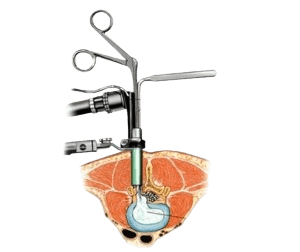
On the other hand, the other method, which is minimally invasive surgery, is more advanced techniques that need small and few incisions through the skin. In this method, a thin tube or endoscope passes through the cut that is made by the surgeon allowing it to work through a small incision area. Consequently, this results in better ways like less damage to the muscle,soft tissue, and skin. Moreover, this also requires less time to recover and is also helpful in faster recovery.
Types of minimally invasive spine surgery
Different types of spine surgeries can approach a minimally invasive option. Some of the common types of minimally invasive spine surgery include:
- Diskectomy
- Spinal fixation or spinal fusion
- Spinal decompression
Conditions that are treated with minimally invasive spine surgery
Minimally invasive spine surgery in India can treat some specific conditions such as:
- Cervical Spondylosis
- Degenerative or slipped disks
- Herniated disk
- Instability
- Kyphosis
- Scoliosis
- Spinal stenosis
- Spinal tumors
- Vertebral compression fractures
Understanding the procedure to perform minimally invasive spine surgery
- Before starting the surgery the doctor will give anesthesia to the patient, the type of anesthesia depends upon the type of spine surgery. The surgery may give local anesthesia that helps to number the site of the spine. This anesthesia will not let you sleep but also won't feel pain during the surgery.
- The surgeon makes an incision in the skin through the back, chest or abdomen.
- Then a small and thin tube is used under the microscope to get the view on the monitor screen. The surgeon will insert a stick-like device attached with a camera on the end of the tube, this tube is known as an endoscope.
- A small surgical instrument is used to complete the procedure through the endoscope tube.
- Then removal of retractors and devices is performed and tissue is returned to their natural position.
- Then the surgeon closes the incision and covers it with a bandage.
Benefits of minimally invasive spine surgery
Some of the potential benefits of minimally invasive spine surgery include:
- Less risk of infection
- Few and less scar
- Less pain after the surgery due to less damage to the tissue and muscle damage
- Reduce blood loss
Risk of minimally invasive spine surgery
No surgery comes with zero risk. All surgeries have their own risks and complications. Some of the common risks of minimally invasive spine surgery procedures include:
- Bleeding
- Blood clots
- Infection
- Nerve damage
- No relief symptoms
- Pain
- Bone doesn't respond as expected
- Spinal fluid leak
- Misplacement of implant
- Side effects of anesthesia
- Tissue damage
Cost of minimally invasive spine surgery in India
The cost of minimally invasive spine surgery in India is affordable and cheap compared to western nations. No doubt India is among those who are providing best medical care and services and that too at most affordable as cheap rates.
However, the overall cost of the treatment may vary depending on several factors. These factors include the surgeon’s expertise, the type of implant, the location of the hospital, and more.
Summary
Minimally invasive spine surgery is a method to view and access the spine using the technique that does not damage the tissue and nearby muscles.
In this method, a thin tube or endoscope passes through the cut that is made by the surgeon allowing it to work through a small incision area.
Moreover, this also requires less time to recover and is also helpful in faster recovery.