Overview
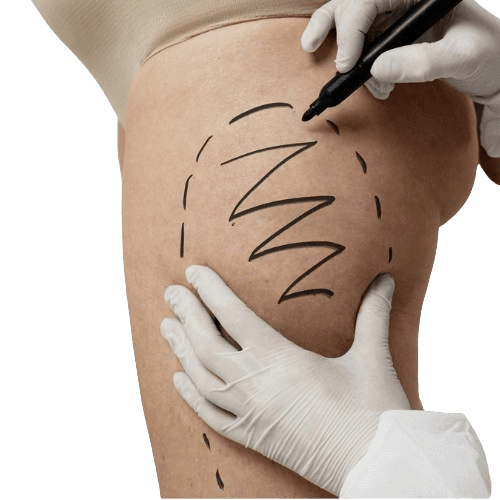
Thigh lift surgery, or thighplasty, is performed to improve the appearance of sagging or uneven thigh contours caused by aging, weight loss, or genetics.
It removes excess fat and skin to create smoother, more toned thighs that complement the body’s overall shape.
Patients often choose this procedure to restore comfort, confidence, and ease of movement after major weight changes.
Overview And Clinical Background
A thigh lift focuses on tightening the skin and underlying tissue of the upper legs, often combined with liposuction for improved contour.
It targets loose, dimpled, or sagging skin that does not respond to diet or exercise, offering both functional and aesthetic improvement.
- Surgical goal:: To remove redundant skin and contour the thigh region for smoother and firmer results.
- Often performed on patients after significant weight loss or aging-related skin laxity.
- Combination procedures:: Can be paired with liposuction or lower body lift for balanced outcomes.
Symptoms, Signs And Presentation
Candidates usually present with sagging, wrinkled, or loose thigh skin that causes friction, rashes, or self-consciousness.
It may affect mobility or clothing fit.
- Common concern:: Excess skin or fatty deposits along inner or outer thighs.
- Loss of skin elasticity due to aging or massive weight reduction.
- Red flag:: Persistent irritation or recurrent infections due to skin folds.
Diagnosis Methods And Investigations
Clinical Evaluation And Imaging
Evaluation includes assessing the degree of skin laxity, fat distribution, and tissue tone.
Surgeons may use photos or imaging for preoperative planning and symmetry assessment.
- Physical assessment:: Determines the extent of skin removal and incision planning.
- Imaging:: Used to assess fat thickness and overall skin tone if needed.
- Medical clearance ensures safe anesthesia and surgery outcomes.
Treatment Options And Surgical Techniques
Thigh lift techniques vary based on patient anatomy and goals.
Inner thigh lifts focus on the groin area, while outer or vertical thigh lifts target broader regions.
- Conservative:: Diet, exercise, and skin-firming therapies may help mild laxity.
- Minimally invasive options:: Liposuction can refine contour if skin tone remains firm.
- Traditional thigh lift removes excess tissue through incisions placed discreetly along natural creases.
Recovery, Risks And Prognosis
Recovery takes around 2–4 weeks, with compression garments to reduce swelling and support healing.
Risks include scarring, asymmetry, and temporary numbness, though results are long-lasting with proper care.
Why Choose Us
CureU Healthcare’s cosmetic surgeons bring advanced body contouring expertise with personalized surgical planning and safety protocols.
Our integrated recovery support ensures both aesthetic and physical comfort.
Conclusion
A thigh lift can help you regain smoother contours and body balance after major weight changes.
With expert guidance and post-surgical care, it delivers lasting confidence and comfort.


