Overview
Heart Bypass Minimally Invasive CABG (Coronary Artery Bypass Grafting) is a groundbreaking surgical technique that has transformed the way coronary artery disease is treated. Unlike conventional open-heart surgery, this procedure uses smaller incisions and avoids splitting the breastbone. As a result, patients experience less pain, faster recovery, and fewer complications. At CureU Healthcare, we connect patients with leading cardiac centers in India that specialize in advanced minimally invasive bypass surgery, ensuring the highest standards of care.
What is Minimally Invasive CABG?
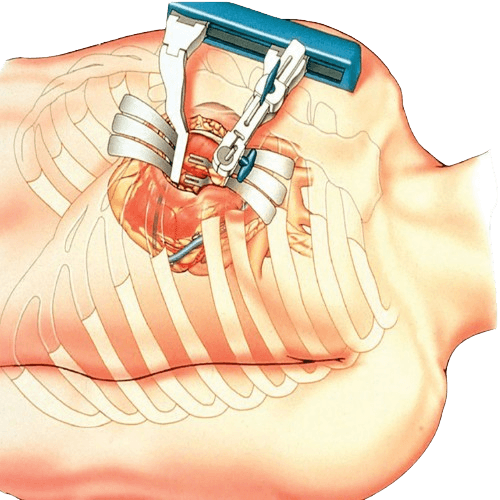
Minimally Invasive CABG is a modern approach to coronary artery bypass grafting, designed to restore proper blood flow to the heart when the coronary arteries are blocked or narrowed. Instead of making a large chest incision, surgeons use small cuts on the left side of the chest, often between the ribs. Specialized instruments and high-definition cameras allow the surgeon to perform the bypass with precision, ensuring the heart receives adequate blood supply.
Why is Minimally Invasive CABG Performed?
This technique is recommended for patients with:
- One or more blocked coronary arteries.
- Severe angina (chest pain) that does not improve with medication or angioplasty.
- High risk of heart attack due to narrowed coronary arteries.
- Preference for less invasive surgery with a quicker recovery period.
How is the Procedure Done?
Minimally Invasive CABG is typically performed under general anesthesia and includes the following steps:
- Small Incision: A cut of about 2
- Access to Heart: Surgeons carefully access the blocked coronary artery without breaking the sternum.
- Graft Placement: A healthy blood vessel, often the internal mammary artery or a vein from the leg, is used to create a new route for blood flow.
- Bypass Completion: The grafted vessel bypasses the blocked artery, restoring circulation to the heart.
Advantages of Minimally Invasive CABG
- Smaller incision and reduced scarring
- Less pain and trauma compared to open surgery
- Lower risk of infection and complications
- Shorter hospital stay (usually 3–5 days)
- Faster return to normal activities
- Improved cosmetic results
Risks and Considerations
Although this surgery is generally safe, potential risks include:
- Bleeding or infection
- Irregular heart rhythms
- Risk of stroke or heart attack (rare)
- Need for conversion to traditional open-heart surgery in some cases
Recovery After Minimally Invasive CABG
Recovery is much faster compared to traditional bypass surgery. Most patients can resume light activities within 2–3 weeks and return to work in 4–6 weeks. Regular follow-up visits, heart-healthy lifestyle changes, and cardiac rehabilitation programs are essential for long-term success.
Cost of Minimally Invasive CABG in India
India is recognized globally for providing world-class cardiac care at affordable costs. The cost of Minimally Invasive CABG in India typically ranges between USD 6,000 – 10,000 (₹5 – 8 Lakhs) depending on the hospital, surgeon’s expertise, and patient’s medical condition. Through CureU Healthcare, international patients receive end-to-end assistance including medical consultations, hospital coordination, travel support, and personalized care.
Conclusion
Heart Bypass – Minimally Invasive CABG is a revolutionary technique that offers patients the benefits of advanced cardiac surgery with reduced pain, faster recovery, and excellent outcomes. With India’s world-class healthcare infrastructure and expert cardiac surgeons, patients can confidently choose this procedure for long-term heart health. At CureU Healthcare, we are committed to guiding you towards the best treatment options to ensure healthier, stronger lives.