Overview
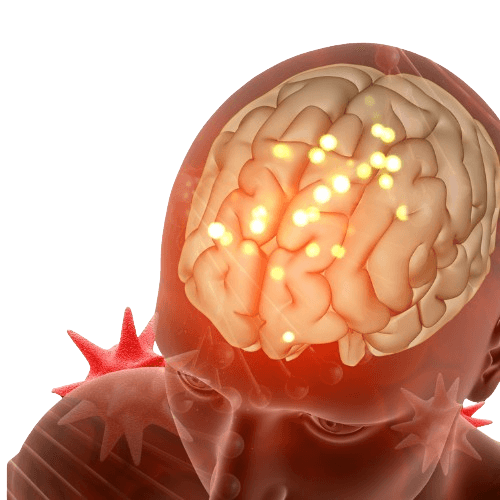
Stem cell therapy for Parkinson’s Disease aims to restore dopaminergic neurons in the brain, which are progressively lost in this condition.
By introducing specialized stem cells, the therapy can improve motor control, reduce tremors, and enhance overall quality of life.
CureU Healthcare combines advanced neurological assessment with regenerative therapy to provide safe and effective treatment.
Overview And Clinical Background
Targeting Dopamine Neurons
Parkinson’s Disease is a neurodegenerative disorder characterized by loss of dopamine-producing neurons.
Stem cell therapy introduces cells capable of differentiating into dopaminergic neurons to replenish the brain’s lost supply.
- Stem cells:: Differentiate into dopamine neurons to restore motor function.
- Reduce disease progression and improve daily activities.
- Clinical relevance:: Early intervention maximizes functional recovery.
Symptoms, Signs And Presentation
Patients present with tremors, bradykinesia, stiffness, and balance issues.
Non-motor symptoms may include sleep disturbances and cognitive decline.
- Common symptom:: Hand tremors and slowed movement.
- Muscle rigidity and difficulty walking.
- Red flag:: Sudden worsening of mobility or frequent falls requiring urgent care.
Diagnosis Methods And Investigations
Neurological Assessment And Imaging
Diagnosis relies on clinical evaluation, MRI, and functional imaging.
Stem cell suitability is assessed through health and disease stage evaluation.
- Imaging:: MRI and DaTscan to assess dopamine neuron loss.
- Lab tests:: Blood work to ensure patient readiness for therapy.
- Functional tests for motor skills and neurological assessment.
Treatment Options And Surgical Techniques
Stem cell therapy complements medications like levodopa and rehabilitation.
Cells can be implanted directly into targeted brain regions.
- Conservative:: Medication management and physiotherapy.
- Minimally invasive options:: Stem cell transplantation to restore dopamine neurons.
- Combined therapy approaches for optimized motor function recovery.
Recovery, Risks And Prognosis
Patients often notice gradual improvement in motor control over months.
Mild headaches or injection-site discomfort may occur.
Stem cell therapy does not cure but can significantly enhance quality of life.
Why Choose Us
CureU Healthcare provides expert neurological care integrated with regenerative therapy.
Our multidisciplinary team ensures precise treatment, monitoring, and post-therapy rehabilitation for Parkinson’s patients.
Conclusion
Stem cell therapy offers hope in Parkinson’s Disease by targeting neuronal repair.
CureU Healthcare combines expertise, technology, and compassionate care for best outcomes.