Overview
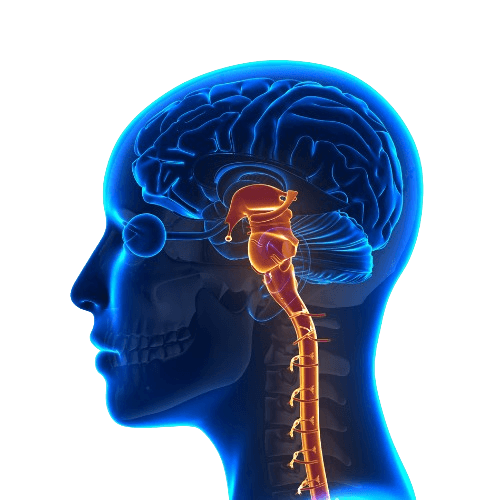
Vagus Nerve Stimulation (VNS) involves implanting a device that delivers electrical impulses to the vagus nerve to modulate brain activity.
It is primarily used to control seizures in epilepsy patients unresponsive to medications.
CureU Healthcare provides safe implantation, monitoring, and adjustment of VNS therapy to improve neurological outcomes.
Overview And Clinical Background
Modulating Neural Activity
VNS therapy delivers controlled electrical impulses to the vagus nerve, influencing brain regions involved in seizure activity.
It is indicated for patients with drug-resistant epilepsy or certain mood disorders.
- Mechanism:: Electrical stimulation modulates neural circuits to reduce seizures.
- Therapy is adjustable to patient response.
- Clinical relevance:: Provides an adjunctive option when medications are insufficient.
Symptoms, Signs And Presentation
Candidates often have recurrent, uncontrolled seizures despite optimal medication.
VNS does not treat underlying causes but reduces seizure frequency.
- Common symptom:: Frequent epileptic seizures unresponsive to drugs.
- Daytime fatigue or seizure-related injuries.
- Red flag:: Sudden increase in seizure severity or frequency requiring urgent reassessment.
Diagnosis Methods And Investigations
Pre-implantation Assessment
Patient selection involves neurological assessment, seizure tracking, and imaging to ensure suitability for implantation.
- Imaging:: MRI to rule out structural brain abnormalities.
- Lab tests:: Routine blood work to assess overall health.
- EEG to evaluate seizure patterns and responsiveness.
Treatment Options And Surgical Techniques
VNS involves minor surgical implantation of a pulse generator connected to the vagus nerve.
Post-surgery, device settings are gradually adjusted to optimize efficacy.
- Conservative:: Continued medication therapy alongside VNS.
- Minimally invasive options:: Small incision implantation with programmable device.
- Device monitoring and adjustments for optimal seizure control.
Recovery, Risks And Prognosis
Recovery is usually quick; patients may experience mild hoarseness, cough, or throat discomfort initially.
VNS can significantly reduce seizure frequency over weeks to months.
Long-term prognosis improves with consistent follow-up and therapy adjustments.
Why Choose Us
CureU Healthcare offers experienced neurologists and surgeons for VNS therapy.
Comprehensive pre-implant assessment, surgical precision, and ongoing monitoring ensure safety and optimal seizure control.
Conclusion
Vagus Nerve Stimulation provides an effective adjunctive therapy for drug-resistant epilepsy.
CureU Healthcare delivers expert care from evaluation to long-term follow-up for best outcomes.