Overview
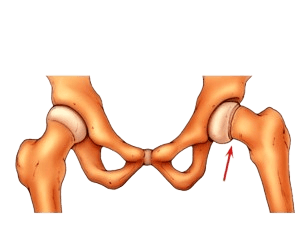
Slipped capital femoral epiphysis (SCFE) is a condition that hits in a growing age in teens or pre-teens. The cause of this condition is not very clear, the ball at the head of the femur (thighbone) slips off the alignment of the bone in the opposite or backward direction. This condition can lead to severe pain, stiffness, instability in the hip that is affected. The condition slowly takes place with time.
SCFE can be affected due to poor fit of their hip socket and this can also affect the walk.
Adolescent age is the age where bone growth occurs in all manners. Long bones develop new tissue from a later at the neck of each rounded end called growth plate. Growth of new bones starts as cartilage before it becomes hard bone, this makes the layer softer and weaker as compared to other bones.
Weight and growth are two important factors that make the slipped capital femoral epiphysis more credible.
SCFE may be the reason for limping or pain in the bone from hip to knee.
This does not develop suddenly, it develops gradually and with no sign of injury. It first hit one hip and later the other one.
Symptoms of slipped capital femoral epiphysis
As it does not show any clear symptoms, it gradually develops. Some of the common symptoms of SCFE include:
- Hip pain
- Leg pain
- Knee pain
- Groin pain
- Abnormal walking gait
- Limping
- Stiffness
- Difficulty in putting pressure on one leg
- Difficulty in running
- Issue with bending at the hips
- One hip or leg turned outward
- Difference in leg length
Understanding the cause slipped capital femoral epiphysis
The exact cause of SCFE is not possible to explain. There is usually not a single cause. Teens or pre-teens bone growth and fragility of the growth plate create the conditions for it. But there are many other factors that play an important role in the contribution to slipped capital femoral epiphysis
Some of the promising factors include:
Growth spurts: This condition occurs when the bone growth spurts from rapid bone growth.
Hormones: Puberty and obesity are the two common factors that affect hormone levels that can also have a severe impact on the growth and strength of the bone.
Childhood obesity: Being overweight or having BMI over the 95th percentile for their age also contributes to the factor of SCFE.
Injury: A sudden fall or blow to hip might start a slipping process or can make it worse.
Genes: Sometimes it can occur due to previous family history that can increase the risk of SCFE.
Hip abnormalities: Conditions like hip dysplasia can put stress on the hip.
Procedure to treat SCFE
Here the surgical procedures to treat slipped capital femoral epiphysis. The type of surgery depends upon the severity of the condition that include:
In situ fixation: This surgical procedure is mostly performed for the patient having mild and stable SCFE. The doctor makes a small incision near the hip area, and inserts a metal screw across the growth plate to maintain the position of the femoral head and this leads to prevent any further slippage.
Open reduction: Before performing any insertion, doctors make open incisions to get the clear view of the hip, then carefully reduce the head of the femur back into its normal anatomic position.
The doctor inserts one or more than one metal screw to secure the bone in place until the growth plate closes. This procedure takes time to recover
Cost of slipped capital femoral epiphysis in India
The cost ofSlipped capital femoral epiphysis (SCFE) in India depends on the type of procedure selected by the patient. India is one of the top destinations for international patients, offering world-class medical care, advanced technology, and state-of-the-art infrastructure.
Several factors influence the total cost of treatment, including the type of surgery, choice of hospital, surgeon’s expertise, and other related aspects.
Summary
Slipped capital femoral epiphysis (SCFE) is a condition when the ball at the head of the femur (thighbone) slips off the alignment of the bone in the opposite or backward direction. This condition can lead to severe pain, stiffness, instability in the hip that is affected.
B.U.M.S, M.D. (NAT) | Reg No. 9153 | Ex. Secretary & Treasurer, N.I.M.A.
Qualified healthcare professional in Unani and Naturopathic medicine with deep expertise in traditional healthcare systems, patient-centered clinical care, and medical content review.