Overview
A prolapsed disc, also known as a herniated disc, takes place when the intervertebral disc of the outer fiber is injured and the nucleus pulposus (a soft material) breaks through its surrounding area.
The burst disc or prolapsed disc can push into the spinal canal, putting pressure on the spinal canal or spinal nerves.
Herniated discs are common in adults and young people but rarely found in children. This condition develops with growing age; sometimes, it can develop all of a sudden, or sometimes it develops gradually with time over weeks or months.
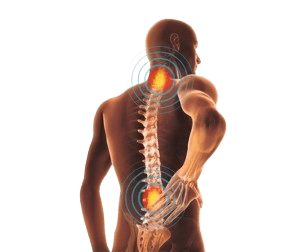
A prolapsed disc can cause severe lower back pain. When the disc puts pressure on a nerve root, it can lead to pain in one leg. Symptoms do not develop suddenly; they take time to appear, usually over weeks or even months.
Non-surgical treatments such as medication and physical therapy can help relieve pain. Spinal manipulation is another treatment that may also be effective.
This condition, also called a slipped disc, gets its name from two processes:
- The soft inner part of the disc, known as the nucleus pulposus, pushes through a weak spot in the outer part of the disc. This is why it is called a prolapsed or herniated disc.
- When the outer layer of the disc bursts due to reduced flexibility, it is referred to as a disc bulge.
Symptoms of Slipped Disc or Prolapsed Disc
People with small bulges or a slipped disc may experience severe pain, while, on the other hand, those with big bulges may sometimes have little to no pain. Therefore, the size of the bulge does not necessarily correlate with the severity of symptoms. A slipped disc can easily be detected through an MRI scan, even in patients who do not have symptoms of leg or back pain.
- Back Pain: Severe pain can be experienced in the back, which may worsen while coughing, sneezing, or moving backward. Additionally, any action that puts pressure on the back of the spinal cord can cause pain.
- Nerve Root Pain: This type of pain occurs when a nerve emerging from the spinal cord is pressed on by a slipped disc.
- No Symptoms: Sometimes, people with a prolapsed disc may not experience any symptoms at all. However, when the prolapsed disc puts pressure on or irritates a nerve, it can lead to symptoms. That being said, these symptoms are not seen in all cases.
Causes of prolapsed disc
Factors that increase the risk of prolapsed disc include:
- Smoking
- Obesity
- Difficult physical activity
- Sitting for very long hours
- Lifting overweight for long time
- Growing older or aging makes a person weak.
- Genetics like hereditary conditions or genetic factors that cause wear and tear of the disc.
Diagnosis of prolapsed disc
These testing can detect prolapsed disc include:
- X-rays
- MRI scan
- Physical diagnosis
Prolapsed disc treatment
Here some treatments that can treat conditions and symptoms of prolapsed disc such as:
Exercise: Daily and regular exercise is very essential with a prolapsed disc. It helps in reducing pain by strengthening the muscles.
Physical treatments: Visiting chiropractor or osteopath for manipulation can treat these symptoms. These treatments provide short term comfort but are highly suitable to relieve pain.
Medication: Medicine to treat pains like painkillers are prescribed by the orthopedic doctor that is helpful in providing instance relief. Medicine for relieve pain like:
- Anti-inflammatory painkillers
- Weak opioid medicines
- Medicine for neuropathic pain
- Muscle relaxant medicine
Surgery: Surgical treatments are only recommended if the symptoms are severe and not shown any relief from non surgical treatments. The main motive of prolapsed disc surgery is to cut the prolapsed part of the disc and release the pressure on the spinal cord and nerves
Cost of prolapsed disc in India
The cost of prolapsed disc treatment in India is affordable and less than other western nations. India is one of the top destinations for high-quality medical care for international patients.
Leading orthopedic hospitals in India provide advanced treatment at an affordable cost, ensuring the best possible care with advanced technology.
The total cost of treatment varies based on several factors, including the choice of hospital, the expertise of the surgeon, the type of surgeon, the type of graft used, and more.
Summary
A prolapsed disc can cause severe lower back pain. When the disc puts pressure on a nerve root, it can lead to pain in one leg.
A prolapsed disc, also known as a herniated disc, takes place when the intervertebral disc of the outer fiber is injured and the nucleus pulposus (a soft material) breaks through its surrounding area.

B.U.M.S, M.D. (NAT) | Reg No. 9153 | Ex. Secretary & Treasurer, N.I.M.A.
Qualified healthcare professional in Unani and Naturopathic medicine with deep expertise in traditional healthcare systems, patient-centered clinical care, and medical content review.