Overview
Pediatric Hip Dysplasia in India is a condition that affects babies' hip joints. This condition can be treated if diagnosed and treated before the age of 6 months of the baby. Hip dysplasia is seen in babies mostly as this condition is rare to be seen in older children and adults.
A joint is a point where two bones meet, likewise, the hip joint is a point that connects the thigh bone (femur) and hip bone (pelvis) together.
Pediatric Hip dysplasia surgery is an uncommon condition that can occur when bones in the hip joint don’t fix together correctly. Hip dysplasia can be commonly seen in babies and is a treatable condition if diagnosed before the age of 6 months.
Some children are born with hip dysplasia and are considered to have Congenital Hip Dysplasia or Developmental Dysplasia of the Hip (DDH). All these names refer to the same condition.
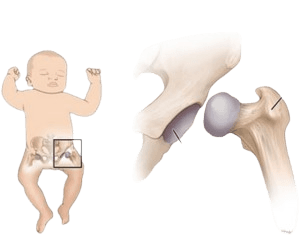
In the condition of hip dysplasia, the femur and pelvis don’t fix correctly. The ball at the top of the femur does not align properly with the socket in the pelvis. This incorrect fit can be a reason that damages the cartilage, which provides support to the joint.
Some common symptoms can be seen, such as pain, stiffness, or in some cases, patients with hip dysplasia may experience hip dislocation in the future.
Symptoms of hip dysplasia
Here are some common hip dysplasia symptoms that helps diagnosing the condition such as:
- Hip pain mostly occurs in the front of the groin.
- Unstable loose hip.
- Limping while walking or moving.
- Difference in leg lengths.
Hip dysplasia symptoms in babies that aren't age enough to walk, they have other symptoms such as:
- Moving one leg more than the other.
- One leg comes out away from the center of the body more than the other one.
- Wrinkled or uneven skin seen around the thighs or hip.
Causes of hip dysplasia
Pediatric Hip dysplasia is a condition that occurs when the femur and socket doesn't fit properly in the pelvis.
Dysplasia might be formed if the hip socket is very flat or the top of the femur is unusual in shape.
This condition is developed while the fetus is in the womb, if the fetus's position feels pressure on its hips this condition might be developed. Or sometimes it can also be a genetic condition that might be passed on from parents.
Hip Dysplasia Surgery
Surgery is only recommended if non-surgical treatments fail to work. Hip arthroscopy and hip osteotomy are the most common procedures performed to repair hip dysplasia.
- Osteotomy is performed to reshape and realign the bone.
- Hip arthroscopy is a minimally invasive procedure done with an arthroscopy to repair damaged hip joints.
- Sometimes, if hip dysplasia is at a severe level, then hip replacement is the only way to repair the dysplasia.
Diagnosis tests required for hip dysplasia
There are the test use to diagnose the hip dysplasia includes:
- Hip X-rays
- CT scan
- Ultrasound
Complications Related to Hip Dysplasia
One of the most common complications of hip dysplasia is hip dislocation. Hip dislocations can occur due to trauma or falls. Hip dysplasia makes the bones weaker than normal, which can cause hip dislocation easily.
Some other complications include:
- Osteoarthritis – Once the cartilage is worn away, wear and tear arthritis may develop over time.
- Hip labral tears – Cartilage damage inside the hip joint.
- Severe pain – Due to unstable hip joints, recurring and severe pain may occur from the irregular fitting of the joint.
Cost of Pediatric Hip Dysplasia Surgery
Cost of Pediatric Hip Dysplasia Surgery in India offers affordable and reasonable medical care compared to other Western nations. It is among the leading countries providing the best medical care for international patients.
Top orthopedic hospitals in India offer cost-effective treatment with advanced technology to ensure the best possible care.
The total cost of treatment depends on various factors, including:
- Reputation of the hospital
- Choice of the surgeon
- Expertise of the doctor
- Type of procedure and facilities provided
Summary
Pediatric Hip dysplasia surgery is an uncommon condition that can occur when bones in the hip joint don’t fix together correctly.
Some children are born with hip dysplasia and are considered to have Congenital Hip Dysplasia or Developmental Dysplasia of the Hip (DDH).
Dysplasia might be formed if the hip socket is very flat or the top of the femur is unusual in shape.

B.U.M.S, M.D. (NAT) | Reg No. 9153 | Ex. Secretary & Treasurer, N.I.M.A.
Qualified healthcare professional in Unani and Naturopathic medicine with deep expertise in traditional healthcare systems, patient-centered clinical care, and medical content review.