
Overview
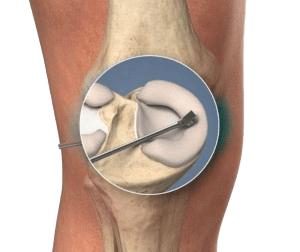
Knee meniscectomy is a commonly performed orthopedic procedure used to treat torn meniscus within the knee joint. The meniscus plays a critical role in shock absorption, joint stability, and load distribution. When torn due to sports injuries or degenerative changes, it can cause pain, swelling, and mechanical symptoms such as locking or catching. This procedure involves removing the damaged portion of the meniscus through arthroscopic techniques, helping relieve symptoms and restore smooth joint movement while preserving as much healthy tissue as possible.
Key Clinical Highlights
- Arthroscopic Precision: Performed using minimally invasive techniques with high accuracy and reduced tissue damage.
- Tissue Preservation: Focus on removing only damaged meniscal tissue to maintain joint function.
- Faster Recovery: Short recovery time with early return to daily activities and mobility.
When to Consider
Knee meniscectomy is considered when a meniscus tear causes persistent pain, swelling, or mechanical symptoms such as locking or restricted movement, especially when conservative treatments like physiotherapy, rest, and medications fail to provide relief. It is particularly recommended for tears that are not suitable for repair due to poor blood supply or complex tear patterns that interfere with normal joint function and daily activities.
Relieve Pain and Restore Function
The procedure eliminates damaged tissue causing symptoms and helps restore smooth joint mechanics.
- Pain Relief: Removes torn fragments causing irritation inside the joint.
- Improved Mobility: Restores normal bending and extension of the knee.
- Prevents Damage: Reduces risk of further cartilage wear and joint degeneration.
Symptoms and Indications
- Knee Pain: Persistent discomfort especially during movement or activity.
- Swelling: Fluid buildup inside the knee joint.
- Joint Locking: Inability to fully move the knee due to mechanical obstruction.
- Limited Motion: Reduced flexibility and stiffness in the knee.
Types of Knee Meniscectomy
Partial Meniscectomy
Removal of only the damaged portion of the meniscus while preserving healthy tissue.
- Limited Resection: Used for small localized tears.
- Extended Resection: Applied in larger or complex tears.
Total Meniscectomy
Complete removal of the meniscus in rare severe cases.
- Conventional Total Removal: Used when the meniscus is extensively damaged and non salvageable.
Pre-Procedure Preparation
- MRI Scan: Confirms tear location and severity.
- Medication Review: Adjust medications before surgery.
- Fasting: Avoid food prior to procedure.
- Physical Assessment: Evaluate joint stability and strength.
Treatment Stages
- Pre Arrival (Day 1): Consultation and diagnosis
- Admission (Week 1): Tests and preparation
- Procedure (Week 2): Arthroscopic meniscectomy
- Recovery (Weeks 2-6): Rehabilitation and follow up
Recovery Guidelines
- Physiotherapy: Strengthen muscles and improve mobility.
- Rest and Elevation: Reduce swelling after surgery.
- Cold Therapy: Control inflammation and discomfort.
- Follow Up Care: Regular monitoring for optimal healing.
Life After Treatment
- Significant reduction in knee pain.
- Improved mobility and flexibility.
- Return to normal and sports activities gradually.
Knee meniscectomy helps restore smooth joint movement and relieves mechanical symptoms effectively.
Potential Risks
- Swelling: Temporary swelling after the procedure.
- Joint Stiffness: May occur without proper rehabilitation.
- Degeneration Risk: Long term risk of arthritis if large portion removed.
Cost Estimation in India
Estimated procedure package range: $2,500 to $6,000 USD.
Package Inclusions:
- Pre-surgery tests
- Arthroscopic procedure
- Hospital stay
- Surgeon fees
Global Cost Comparison
- USA: $15,000 USD
- UK: $10,000 USD
- Germany: $8,000 USD
- Thailand: $5,000 USD
- India: $3,500 USD

B.U.M.S, M.D. (NAT) | Reg No. 9153 | Ex. Secretary & Treasurer, N.I.M.A.
Qualified healthcare professional in Unani and Naturopathic medicine with deep expertise in traditional healthcare systems, patient-centered clinical care, and medical content review.