Overview
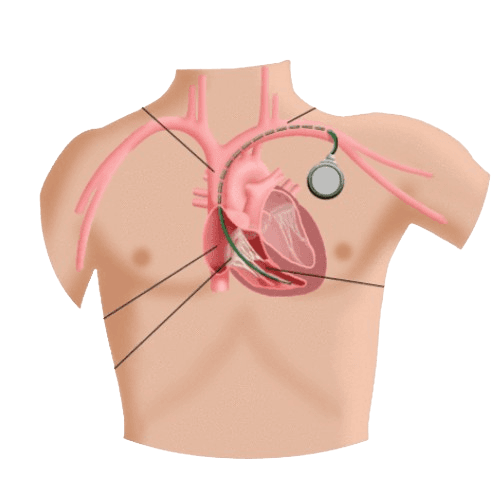
Permanent single chamber pacemaker implantation is a specialized cardiac procedure performed to regulate abnormal heart rhythms caused by slow or irregular electrical activity within the heart. The device helps maintain a stable heartbeat by sending controlled electrical impulses to either the right atrium or right ventricle, depending on the patient’s condition. This treatment is commonly recommended for patients experiencing bradycardia, heart block, or rhythm disturbances that interfere with normal blood circulation and daily activity. Modern pacemaker systems improve heart rhythm stability, reduce symptoms, and support long term cardiac function with minimally invasive implantation techniques.
Key Clinical Highlights
- Reliable Rhythm Control: The pacemaker continuously maintains stable heart rhythm during daily activities.
- Minimally Invasive Implantation: The device is implanted through a small chest incision without open heart surgery.
- Long Term Cardiac Support: Modern pacemakers provide durable rhythm management with extended battery performance.
When to Consider
Permanent single chamber pacemaker implantation is considered when patients experience persistent slow heart rhythms, dizziness, fainting episodes, fatigue, exercise intolerance, or conduction abnormalities affecting normal heart function. It may be recommended for individuals with symptomatic bradycardia, atrial fibrillation with slow ventricular response, sinus node disease, or heart block where medication alone cannot maintain adequate rhythm stability. The treatment is also considered when abnormal heart rhythms significantly reduce blood circulation and quality of life.
Maintain Stable and Effective Heart Rhythm
The pacemaker helps restore proper electrical activity and improves circulation when the natural heart rhythm becomes too slow or unreliable.
- Prevents Slow Heart Rate: Maintains adequate heartbeat to support blood circulation.
- Improves Daily Function: Reduces dizziness, fatigue, and fainting associated with rhythm disorders.
- Supports Cardiac Stability: Provides continuous rhythm monitoring and electrical pacing support.
Symptoms and Indications
- Dizziness: Slow heart rhythm may reduce blood flow to the brain.
- Fainting Episodes: Irregular electrical conduction can lead to temporary loss of consciousness.
- Persistent Fatigue: Reduced heart rate may lower physical energy and endurance.
- Shortness of Breath: Inadequate cardiac output may cause breathing difficulty during activity.
Types of Permanent Pacemaker Implant Single Chamber
Single Chamber Ventricular Pacemaker
A pacing lead is placed in the right ventricle to regulate ventricular rhythm.
- VVI Pacemaker: Provides pacing support when ventricular rhythm becomes excessively slow.
Single Chamber Atrial Pacemaker
A pacing lead is positioned in the right atrium for selected rhythm disorders.
- AAI Pacemaker: Used for specific sinus node related rhythm abnormalities.
Pre-Procedure Preparation
- Heart Rhythm Evaluation: ECG and cardiac monitoring assess electrical conduction abnormalities.
- Blood Investigations: Routine tests help evaluate overall health before implantation.
- Medication Adjustment: Certain blood thinning medications may require temporary modification.
- Fasting: Patients are advised to avoid food before the procedure.
Treatment Stages
- Initial Consultation (Day 1): Cardiac rhythm testing and specialist evaluation
- Admission (Week 1): Preoperative preparation and monitoring
- Implantation (Week 2): Single chamber pacemaker placement
- Recovery (Day 3): Device programming and discharge
Recovery Guidelines
- Limit Arm Movement: Avoid excessive movement on the implantation side during early healing.
- Protect the Incision Site: Keep the surgical area clean and dry to reduce infection risk.
- Attend Device Follow Ups: Regular pacemaker checks ensure optimal device performance.
- Resume Activity Gradually: Physical activities should increase slowly according to medical advice.
Life After Treatment
- Most patients return to normal daily activities within a few weeks after implantation.
- The pacemaker continuously supports stable heart rhythm and circulation.
- Routine device monitoring helps maintain long term cardiac safety and performance.
Modern pacemaker therapy provides dependable rhythm support that helps patients regain confidence and daily stability.
Potential Risks
- Infection: Minor infections may occur near the pacemaker implantation site.
- Lead Displacement: Rare movement of the pacing lead may require repositioning.
- Bleeding or Bruising: Temporary bruising may occur around the chest incision area.
Cost Estimation in India
Estimated procedure package range: $3,500 to $7,000 USD.
Package Inclusions:
- Cardiac rhythm evaluation
- Pacemaker implantation procedure
- Hospital stay and monitoring
- Device and surgeon charges
Global Cost Comparison
- USA: $35,000 USD
- UK: $25,000 USD
- Germany: $22,000 USD
- Thailand: $12,000 USD
- India: $6,000 USD

B.U.M.S, M.D. (NAT) | Reg No. 9153 | Ex. Secretary & Treasurer, N.I.M.A.
Qualified healthcare professional in Unani and Naturopathic medicine with deep expertise in traditional healthcare systems, patient-centered clinical care, and medical content review.