Overview
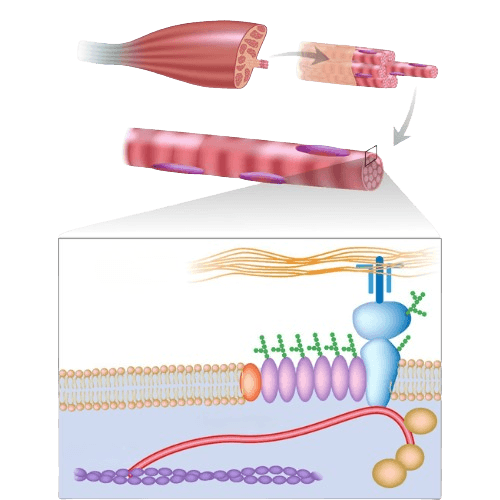
Stem cell therapy for Muscular Dystrophy aims to repair and regenerate damaged muscle tissue, slowing disease progression and improving strength.
This innovative treatment works by replacing degenerated muscle fibers with healthy cells and promoting the body’s own repair mechanisms.
At CureU Healthcare, we combine advanced cellular therapies with supportive neurological care for better outcomes and quality of life.
Overview And Clinical Background
Understanding Stem Cell Role
Muscular Dystrophy is a genetic condition that weakens muscles over time. Stem cells offer a regenerative approach to repair and replace damaged muscle tissue.
Unlike conventional therapy, stem cell treatment targets the root cause — cellular degeneration — rather than just managing symptoms.
- Stem cells:: Can transform into muscle cells, restoring damaged fibers.
- Helps slow muscle deterioration and promote strength recovery.
- Genetic insight:: Understanding DNA mutations helps tailor stem cell therapy effectively.
Symptoms, Signs And Presentation
Muscular Dystrophy typically presents in early life with muscle weakness and progressive mobility loss.
Some cases also involve respiratory and cardiac muscles.
- Common symptom:: Progressive weakness in arms, legs, and trunk muscles.
- Difficulty walking, climbing stairs, or maintaining posture.
- Red flag:: Breathing difficulty or heart-related issues needing urgent care.
Diagnosis Methods And Investigations
Genetic And Imaging Tests
Diagnosis involves genetic analysis, muscle biopsy, and imaging to assess muscle damage.
Stem cell suitability is evaluated through lab and neurological studies.
- Imaging:: MRI to detect muscle degeneration patterns.
- Lab tests:: Genetic sequencing identifies mutations causing dystrophy.
- Electromyography checks electrical muscle activity.
Treatment Options And Surgical Techniques
Stem cell therapy offers a regenerative route for Muscular Dystrophy alongside physiotherapy and supportive care.
Cells are injected intravenously or directly into muscles to stimulate regeneration.
- Conservative:: Physical therapy and steroids to manage symptoms.
- Minimally invasive options:: Stem cell infusions to enhance tissue repair and reduce progression.
- Future advances may include gene-edited stem cells for targeted correction.
Recovery, Risks And Prognosis
Most patients experience gradual strength improvement over months after stem cell therapy.
Risks include mild fatigue or injection-site discomfort. Long-term, consistent therapy can delay progression significantly.
Why Choose Us
At CureU Healthcare, our neurology and regenerative medicine teams work together to provide personalized stem cell care for Muscular Dystrophy.
We use advanced cell-processing labs, continuous monitoring, and supportive rehabilitation to ensure optimal recovery.
Conclusion
Stem cell therapy brings hope for patients with Muscular Dystrophy by targeting regeneration at the cellular level.
CureU Healthcare continues to pioneer safe and effective approaches in this evolving field.