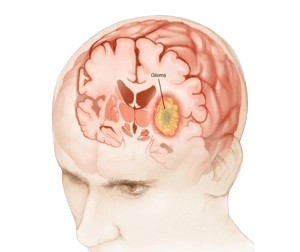
Overview
A glioma is a tumor that develops in the brain and spinal cord when the glial cells grow out of control. These cells support nerves and help the central nervous system. Gliomas usually grow in the brain and spinal cord.
Gliomas are cancerous and grow slowly. They are primary brain tumors, these cells originate in the brain tissue. Gliomas don't usually spread outside of the brain or spine. These gliomas can be life threatening because they can:
- Difficult to treat with surgery
- Grow into other areas of the brain
There are various types of gliomas that include astrocytomas, ependymomas and oligodendrogliomas. Gliomas mostly affect children and adults.
Types of gliomas
Generally, there are three main types of gliomas. Some of the gliomas have multiple types of cells. These multiple cells are also called mixed gliomas. These gliomas are subdivided as low, med or extreme on the basis of how fast they can grow.
Astrocytomas, this includes glioblastomas and diffuse intrinsic pontine gliomas (DIPGs): These tumors start in cells called astrocytes. Glioblastomas are astrocytomas that are meant to grow faster. They are the most common types of malignant brain tumors that are developed in adults. Astrocytomas are common gliomas in children. This is a very uncommon form of brain cancer in children. This generally affects children and develops in the brain stem.
Ependymomas: These tumors begin in ependymocytes, a type of brain cell. They usually develop in the brain's ventricles or in the spinal cord. The reason for the spread of the tumor is through fluid that surrounds the brain and spine, but yes they don't spread to the other parts of the body. This is a rare type which is found I'm about 2% of all brain tumors, and they are common in children as well as in adults too.
Oligodendrogliomas: These tumors start developing in the brain called oligodendrocytes. These cells grow very slowly but become more serious over time. They don't spread outside of the brain or spinal cord.
Risk of glioma
Here are some factors that may increase the risk of getting glioma, but yes no doubt glioma can develop in anyone.
Age: Glioma are most common in adults who are over 65 and children under 12.
Ethnicity: White people have a higher chance to develop glioma compared to other races.
Inherited genetic disorder: If some have a family history of developing gliomas, this may increase the risk.
Sex: Gliomas are more common in men than in women.
Radiation or toxin exposure: Prolonged or repeated exposure to radiation or chemicals may increase the risk.
Symptoms of gliomas
Some of the common symptoms of gliomas include:
- Problem in speaking and communicating
- Blurry vision or vision loss
- Dizziness
- Headache
- Difficulty walking or balancing
- Hemiparesis
- Nausea and vomiting
- Personality or behavioral
- Cognitive problems
- Seizures
Complications of gliomas
Some of the life threatening complications of gliomas include:
- Brain hemorrhage
- Brain herniation
- Hydrocephalus
- Seizure
- Pressure inside your skull
- Seizures
Cost of gliomas in India
The cost of gliomas in India is not only affordable but also high in class. The facilities Indian hospitals provide are top notch. India is among the nations that provide a variety of services and facilities to the patients coming from other nations. Also, India is considered as the hub of medical facilities that are giving excellent care, multilingual staff that make communication easier and advanced technology.
Top neurosurgeons in India provide the best services and greater precision to their cases.
However, the overall cost of the treatment may vary depending on several factors. These factors include the surgeon’s expertise, the type of implant, the location of the hospital, and more.
Summary
A glioma is a tumor that develops in the brain and spinal cord when the glial cells grow out of control. These cells support nerves and help the central nervous system.
They are primary brain tumors, these cells originate in the brain tissue.
There are various types of gliomas that include astrocytomas, ependymomas and oligodendrogliomas.

B.U.M.S, M.D. (NAT) | Reg No. 9153 | Ex. Secretary & Treasurer, N.I.M.A.
Qualified healthcare professional in Unani and Naturopathic medicine with deep expertise in traditional healthcare systems, patient-centered clinical care, and medical content review.