Overview
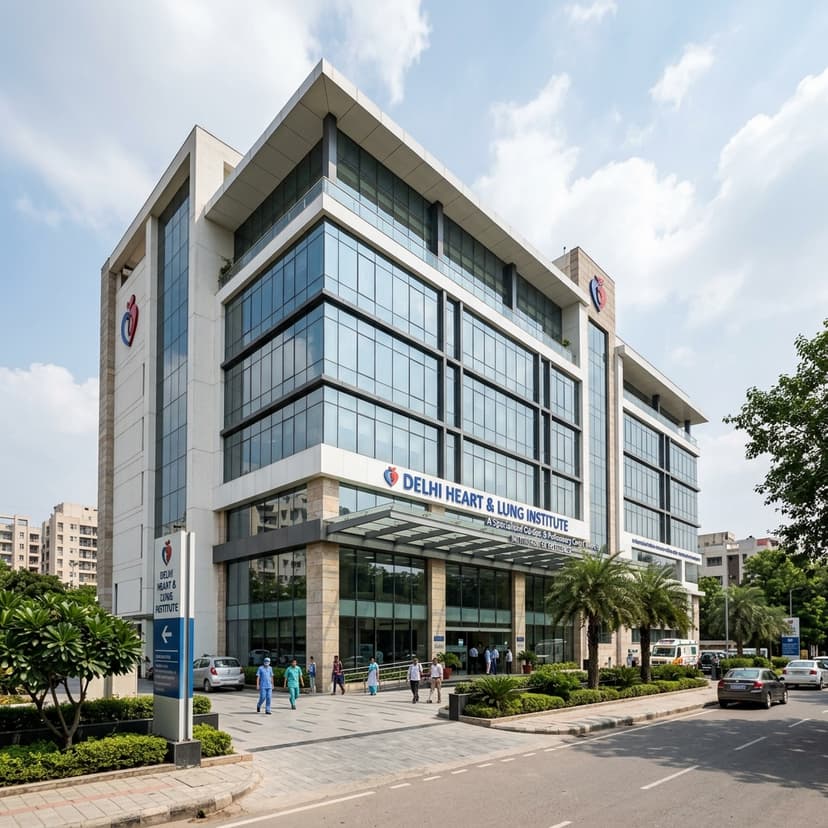
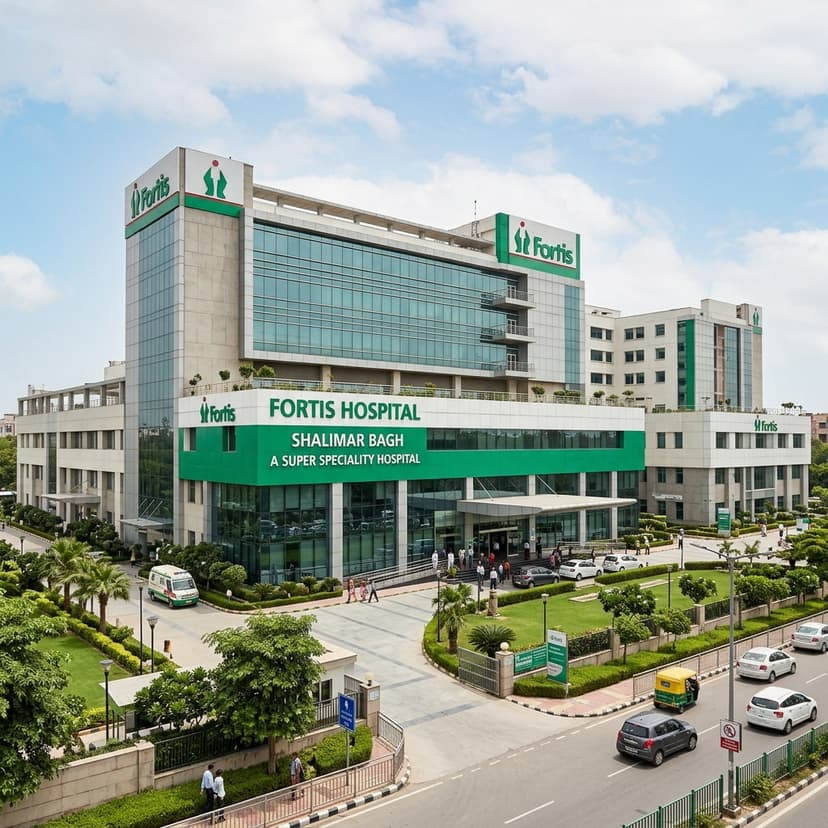
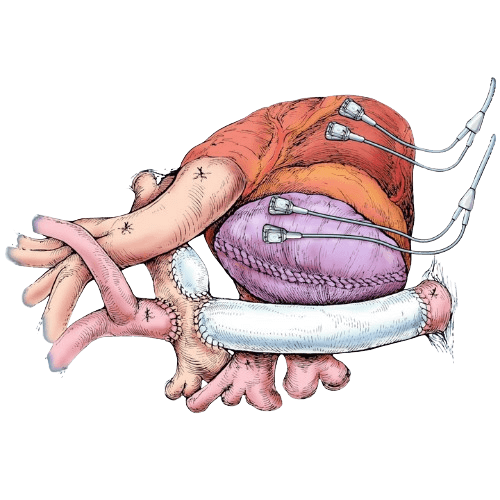
Fontan Conversion Surgery is a highly specialized procedure designed for patients with complex congenital heart disease who previously underwent a Fontan operation. Over time, some patients may develop complications such as arrhythmias, protein-losing enteropathy, or poor circulation. In these cases, a Fontan conversion with arrhythmia surgery and pacemaker implantation offers a second chance at improved heart function and quality of life. At CureU Healthcare, we connect patients to advanced cardiac centers in India where this procedure is performed with exceptional expertise.
What is Fontan Conversion Surgery?
The Fontan procedure was first developed in the 1970s for children born with single ventricle physiology, such as tricuspid atresia, hypoplastic left heart syndrome, or other congenital conditions where only one ventricle is functional. While this surgery allows survival into adulthood, the older atriopulmonary connection often leads to long-term complications.
Fontan Conversion Surgery involves:
- Replacing the old atriopulmonary Fontan with a more modern total cavopulmonary connection (TCPC).
- Performing arrhythmia surgery (such as cryoablation or the Maze procedure) to control abnormal rhythms.
- Implanting a permanent pacemaker when required.
When is Fontan Conversion Needed?
Not every patient requires conversion. However, cardiologists may recommend it if a patient develops:
- Atrial arrhythmias (fast or irregular heartbeats).
- Protein-losing enteropathy (PLE) leading to malnutrition and weakness.
- Plastic bronchitis with airway obstruction.
- Progressive heart failure despite medical therapy.
- Thromboembolic complications or circulation issues due to the old Fontan connection.
How is the Procedure Performed?
Fontan Conversion is a complex open-heart surgery carried out in highly specialized cardiac centers. The steps include:
- Disconnecting the old atriopulmonary Fontan pathway.
- Creating a total cavopulmonary connection (TCPC) using an extracardiac conduit or lateral tunnel.
- Treating arrhythmias with surgical ablation.
- Implanting a pacemaker system when rhythm disturbances persist.
Benefits of Fontan Conversion Surgery
- Improved circulation efficiency with reduced strain on the atrium.
- Better rhythm control, lowering the risk of life-threatening arrhythmias.
- Enhanced exercise tolerance and reduced fatigue.
- Lower risk of protein-losing enteropathy and plastic bronchitis.
- Improved long-term survival and quality of life.
Risks and Considerations
As with any complex cardiac surgery, Fontan Conversion carries risks such as bleeding, infection, arrhythmia recurrence, or prolonged recovery. However, in experienced centers with multidisciplinary teams, the benefits often outweigh the risks for appropriately selected patients.
Cost of Fontan Conversion Surgery in India
India has become a preferred destination for complex congenital heart surgeries due to world-class expertise and affordable pricing. The cost of Fontan Conversion Surgery in India typically ranges between $25,000 – $40,000 (20 – 35 lakh INR), depending on the hospital, technology used, and patient condition. CureU Healthcare assists patients in finding the best treatment plans and support for international travel and care.
Life After Fontan Conversion
Following recovery, patients usually notice significant improvements in energy, reduced hospitalizations, and better control of complications. With regular follow-ups, medication, and lifestyle adjustments, many patients go on to lead healthier and more active lives.
Conclusion
Fontan Conversion Surgery represents hope for patients living with the late complications of the original Fontan operation. With advanced surgical techniques, dedicated cardiac care, and expert multidisciplinary teams, the procedure can restore quality of life and extend survival. At CureU Healthcare, our mission is to guide patients toward the best treatment centers in India where such complex surgeries are performed with outstanding success rates.
B.U.M.S, M.D. (NAT) | Reg No. 9153 | Ex. Secretary & Treasurer, N.I.M.A.
Qualified healthcare professional in Unani and Naturopathic medicine with deep expertise in traditional healthcare systems, patient-centered clinical care, and medical content review.