Overview
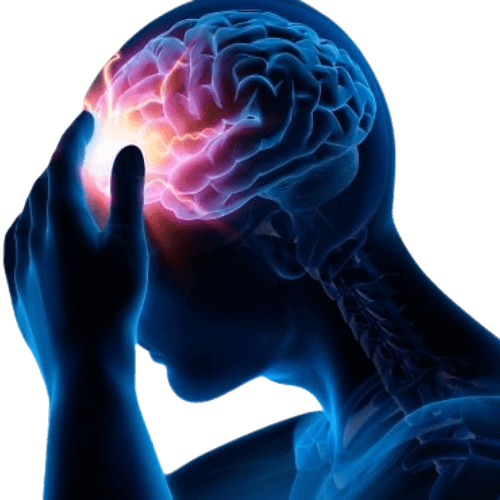
Epilepsy is a chronic neurological condition characterized by recurrent seizures resulting from abnormal electrical activity in the brain.
These seizures can vary in intensity and duration, affecting movement, awareness, or behavior.
At CureU Healthcare, neurologists use cutting-edge tools to identify seizure triggers, optimize medication, and improve patients’ quality of life.
Overview And Clinical Background
Understanding Epilepsy
Epilepsy may develop from genetic factors, brain injury, or unknown causes.
It affects all ages and requires tailored management based on seizure type.
The goal is to achieve complete seizure control and minimize medication side effects.
- Seizure types:: Include focal, generalized, and absence seizures with different brain involvement.
- Lifestyle modification and regular monitoring are key aspects of management.
- Clinical relevance:: Recognizing triggers and maintaining compliance helps reduce recurrence.
Symptoms, Signs And Presentation
Epileptic episodes can present differently among patients.
Some may lose consciousness, while others experience brief awareness lapses.
- Common symptom:: Sudden involuntary movements, jerking, or loss of consciousness.
- Aura or unusual sensations before a seizure may occur.
- Red flag:: Seizures lasting more than five minutes require emergency care.
Diagnosis Methods And Investigations
EEG And Neuroimaging
Diagnosis involves confirming recurrent unprovoked seizures and ruling out secondary causes.
Continuous monitoring helps refine treatment.
- Imaging:: MRI or CT scans identify structural brain lesions or scars.
- Lab tests:: Electrolyte levels, metabolic panels, and drug levels monitor treatment response.
- EEG detects abnormal electrical activity confirming epileptic focus.
Treatment Options And Surgical Techniques
Treatment includes medications, lifestyle control, and sometimes surgery for resistant cases.
Therapy aims to balance seizure control with quality of life.
- Conservative:: Antiepileptic drugs and trigger avoidance form first-line management.
- Minimally invasive options:: Vagus nerve stimulation or responsive neurostimulation for drug-resistant cases.
- Surgical resection of seizure focus may be indicated in select patients.
Recovery, Risks And Prognosis
Most patients achieve seizure control with consistent treatment.
Prognosis improves with adherence, stress reduction, and regular follow-up.
Some may achieve lifelong remission.
Why Choose Us
CureU Healthcare provides advanced EEG monitoring, personalized therapy, and a holistic approach to epilepsy management.
Our team supports patients through every stage — from diagnosis to medication optimization and recovery.
Conclusion
With expert care and consistent monitoring, most people with epilepsy can lead safe, productive, and fulfilling lives.
CureU Healthcare stands by your journey to seizure freedom.