Overview
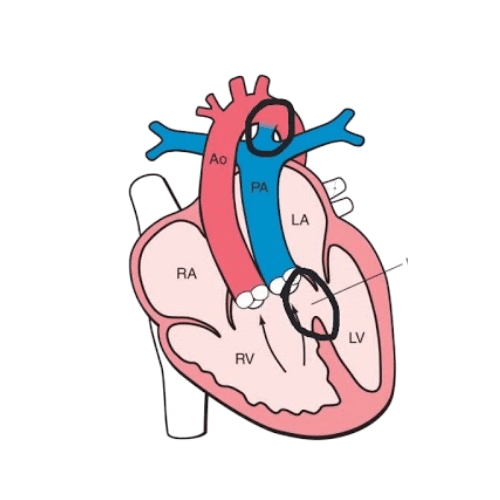
Double Outlet Right Ventricle (DORV) is a rare and complex congenital heart defect where both the aorta and the pulmonary artery arise from the right ventricle, instead of the aorta connecting to the left ventricle as in a normal heart. This abnormality disrupts the normal flow of oxygen-rich and oxygen-poor blood, which can lead to severe complications if not treated.
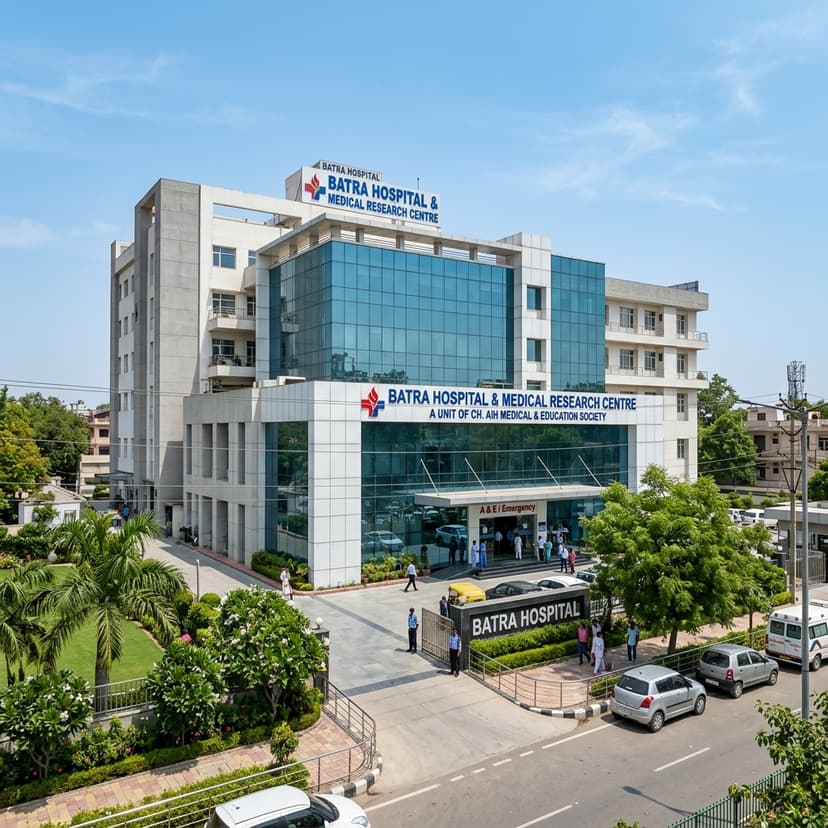
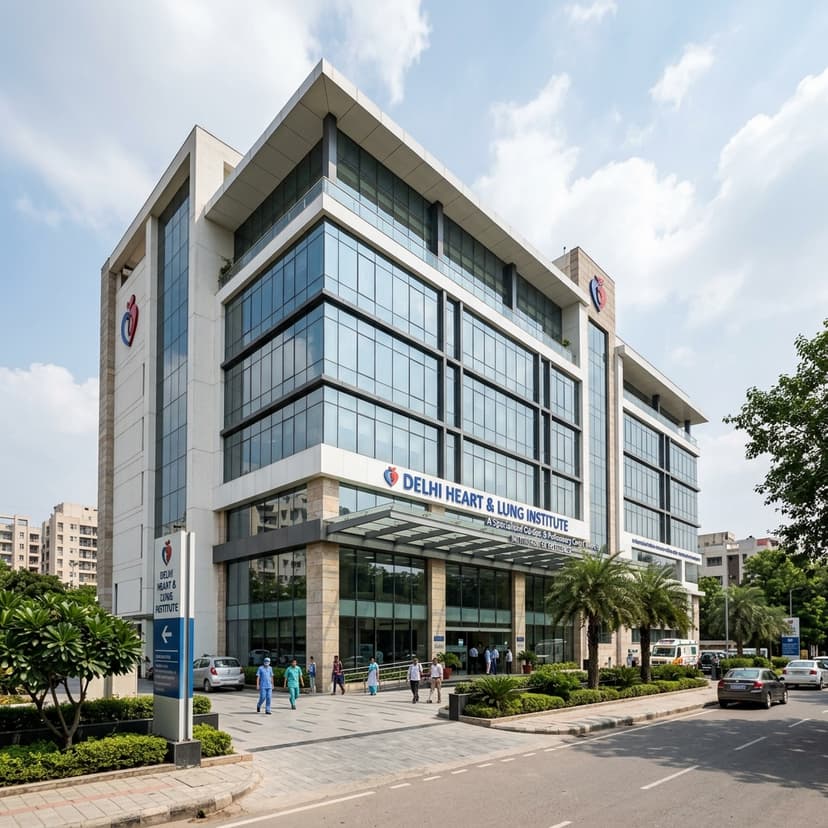
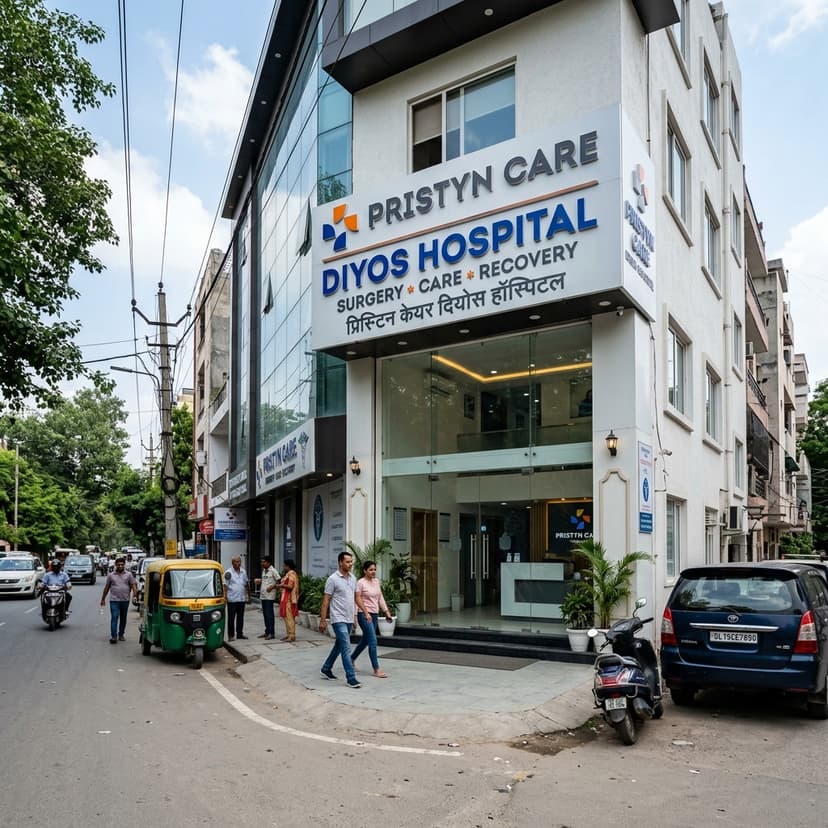
At CureU Healthcare, we connect patients from across the world to leading pediatric cardiologists and cardiac surgeons in India, where advanced treatment for congenital heart conditions like DORV is available at internationally recognized hospitals.
What is Double Outlet Right Ventricle (DORV)?
In a healthy heart, the left ventricle pumps oxygen-rich blood into the aorta, delivering it throughout the body, while the right ventricle pumps oxygen-poor blood into the pulmonary artery, sending it to the lungs for oxygenation.
However, in DORV, both great arteries (aorta and pulmonary artery) originate from the right ventricle. Because of this, oxygen-rich blood and oxygen-poor blood mix together before being pumped to the body and lungs, resulting in lower oxygen levels and causing symptoms like cyanosis (bluish discoloration of the skin).
DORV is often associated with a ventricular septal defect (VSD)—a hole between the right and left ventricles—through which the left ventricle can pump blood into the right ventricle. The severity and symptoms largely depend on the location of this VSD and whether other heart defects are present.
Types of DORV
There are different subtypes of DORV based on the position of the VSD and the outflow tracts:
- Subaortic VSD: The VSD is located near the aorta.
- Subpulmonary VSD (Taussig-Bing anomaly): The VSD is located near the pulmonary artery, often mimicking transposition of the great arteries.
- Doubly Committed VSD: The VSD is close to both the aorta and pulmonary artery.
- Non-committed (Remote) VSD: The VSD is located away from both great arteries, making surgical repair more challenging.
Symptoms of DORV
Symptoms of Double Outlet Right Ventricle can vary depending on the specific type and severity of the condition. Common symptoms include:
- Cyanosis (bluish skin, lips, and nails) due to low oxygen levels
- Rapid or labored breathing
- Poor feeding and difficulty gaining weight
- Fatigue and irritability
- Sweating during feeding
- Heart murmur detected by a physician
- In severe cases, congestive heart failure in infancy
Causes and Risk Factors
The exact cause of DORV is not always known. However, several factors may increase the risk, such as:
- Genetic mutations or chromosomal abnormalities
- Family history of congenital heart disease
- Maternal conditions during pregnancy, such as diabetes or viral infections
- Environmental exposures during pregnancy
Diagnosis of DORV
Early and accurate diagnosis is crucial for managing DORV effectively. Diagnostic tests may include:
- Echocardiogram (Echo): Main tool for confirming DORV and assessing associated defects.
- Electrocardiogram (ECG): To detect abnormal heart rhythms.
- Chest X-ray: To evaluate the size of the heart and lungs.
- Cardiac MRI or CT scan: To provide detailed imaging of the heart’s structure.
- Pulse Oximetry: To measure oxygen levels in the blood.
- Cardiac Catheterization: To assess heart function and blood pressure inside the heart chambers.
Treatment Options for DORV
Treatment for Double Outlet Right Ventricle is always surgical, as the condition cannot correct itself. The exact surgical approach depends on the type of DORV and the severity of associated defects.
Initial Medical Management
Before surgery, medications may be used to stabilize the baby:
- Prostaglandin infusion to keep the ductus arteriosus open for better blood circulation.
- Diuretics to reduce fluid buildup.
- Medications to improve heart function.
Surgical Procedures
- Intraventricular Repair (Tunnel or Baffle Procedure): A pathway is created inside the heart to direct left ventricular blood to the aorta through the VSD.
- Arterial Switch or Rastelli Procedure: Used when DORV is associated with subpulmonary VSD or pulmonary stenosis.
- Fontan Procedure: For cases where biventricular repair is not possible.
- Staged Surgeries: In complex cases, surgeries may be done in multiple stages to gradually correct blood flow.
Heart Transplant
In very rare and complex cases where surgical repair is not feasible, a heart transplant may be considered.
Life After Treatment
With timely surgical intervention, many children with DORV go on to live healthy and active lives. However, lifelong follow-up with a cardiologist is essential to monitor for:
- Arrhythmias (irregular heart rhythms)
- Heart valve issues
- Pulmonary hypertension
- Reduced heart function
Why Choose India for DORV Treatment with CureU Healthcare?
India has become a global hub for pediatric cardiac care, offering advanced treatment for congenital heart defects like DORV. Here’s why CureU Healthcare is the trusted partner for international patients:
- Access to world-renowned pediatric cardiologists and surgeons
- State-of-the-art cardiac care hospitals with advanced technology
- Affordable treatment costs compared to Western countries
- Comprehensive support including visa assistance, travel arrangements, and translation services
- Compassionate and patient-centric care for children and families
Conclusion
Double Outlet Right Ventricle (DORV) is a complex congenital heart condition that requires early diagnosis and timely surgical treatment to ensure the best outcomes. With expert medical care, children with DORV can lead healthy, fulfilling lives.
At CureU Healthcare, we are committed to guiding families from across the globe to the best hospitals and doctors in India, ensuring a smooth and supportive medical journey.

B.U.M.S, M.D. (NAT) | Reg No. 9153 | Ex. Secretary & Treasurer, N.I.M.A.
Qualified healthcare professional in Unani and Naturopathic medicine with deep expertise in traditional healthcare systems, patient-centered clinical care, and medical content review.